When we first started full-time RVing, we quickly learned that how far you travel in a day can have a huge impact on how much you enjoy RV life. Driving a big motorhome for hours, pulling into an unfamiliar campground, getting everything set up, and then doing it all again a day or two later gets exhausting fast.
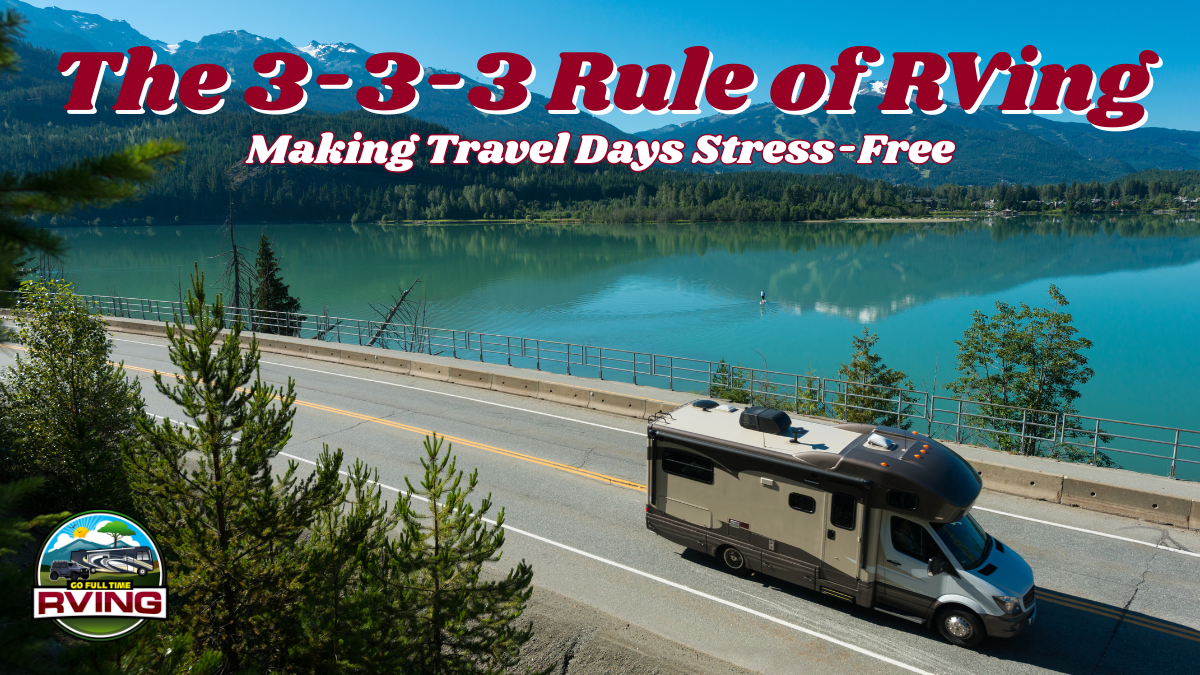
That’s one reason we started following our own version of the 3-3-3 Rule of RVing. The basic idea is simple: drive no more than 300 miles, arrive by 3 p.m., and stay at least three nights. We don’t treat those numbers as hard rules, but they give us a great starting point when planning our travel days.
After years of full-time RV travel, we’ve modified the rule a little to fit the way we actually travel. Arriving before dark matters more to us than hitting exactly 3 p.m., and we usually prefer staying a week rather than just three nights.
This post contains affiliate links. As a participant in Amazon Associates and various affiliate programs, we are compensated when qualifying purchases are made through our referral links at no additional cost to you. Full Disclosure
What Is the 3-3-3 Rule?
The 3-3-3 RV rule is an easy-to-remember formula that helps full-time RVers, snowbirds, and weekend travelers maintain a comfortable pace on the road:
- Drive no more than 300 miles a day.
- Arrive no later than 3 p.m.
- Stay at least 3 days in each spot.
It’s not a strict rule, but more of a philosophy — one that keeps travel fun, relaxed, and sustainable for the long haul.
Why We Follow the 3-3-3 Rule
Lisa and I like to plan out our trips ahead of time so travel feels intentional and relaxed. We’re not fans of pulling into a rest area, Cracker Barrel, or Walmart parking lot after driving too far. We’d rather end each travel day parked, leveled, and enjoying the evening — not trying to find a place to sleep.
For us, the 3-3-3 rule keeps travel days organized and enjoyable. It’s all about planning smarter, avoiding fatigue, and making sure our RV life stays relaxing instead of rushed.
Breaking Down the 3-3-3 Rule
1. Drive No More Than 300 Miles
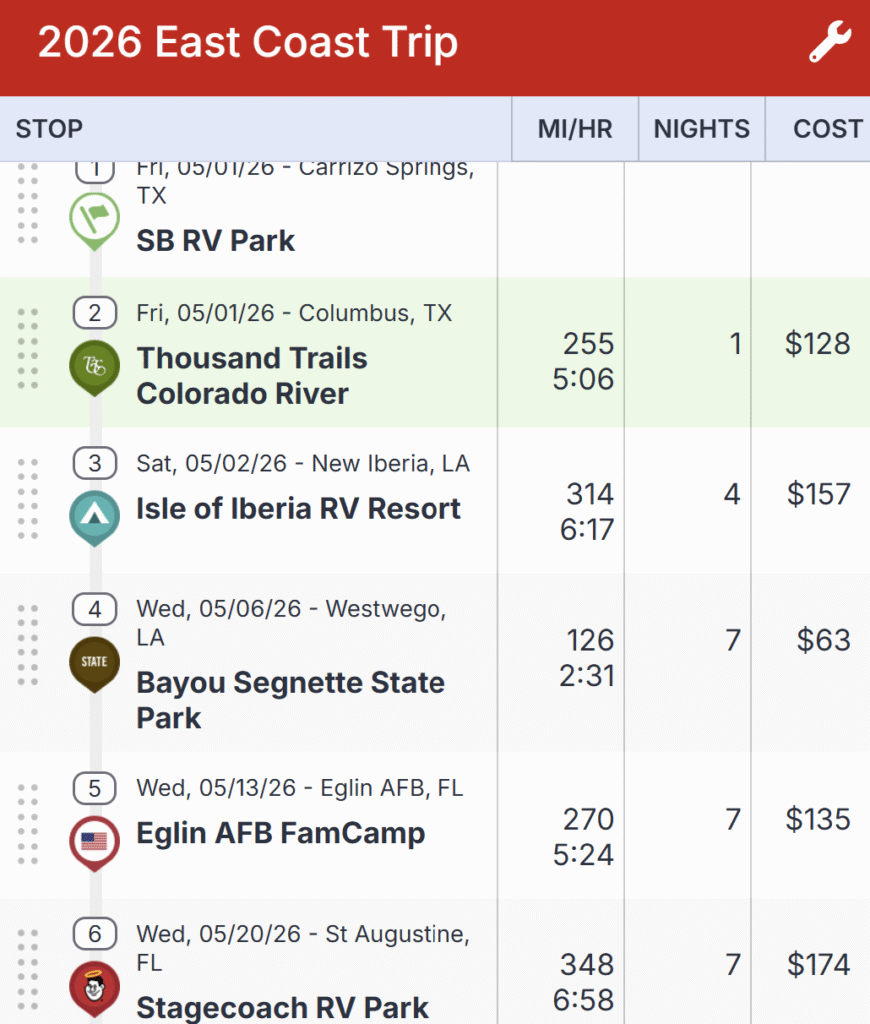
Keeping our travel days under 300 miles has made a huge difference. It’s long enough to make progress but short enough to avoid fatigue and stress. We’ve found that around five hours behind the wheel is the sweet spot — enough to feel productive without feeling drained.
And let’s be honest: RV travel isn’t about racing from one place to another. Slowing down helps us actually enjoy the journey.
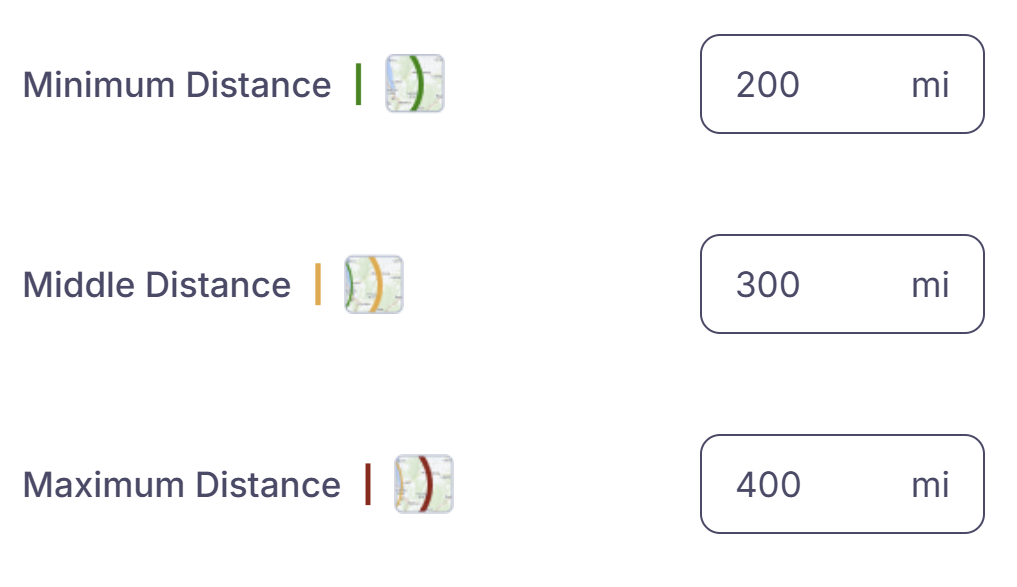
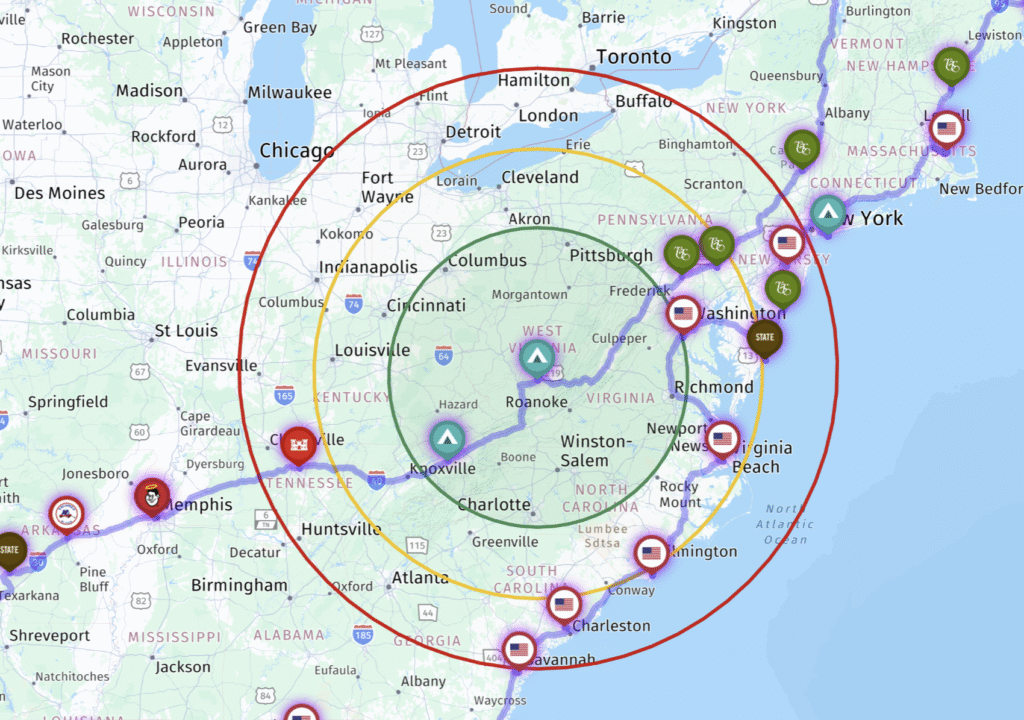
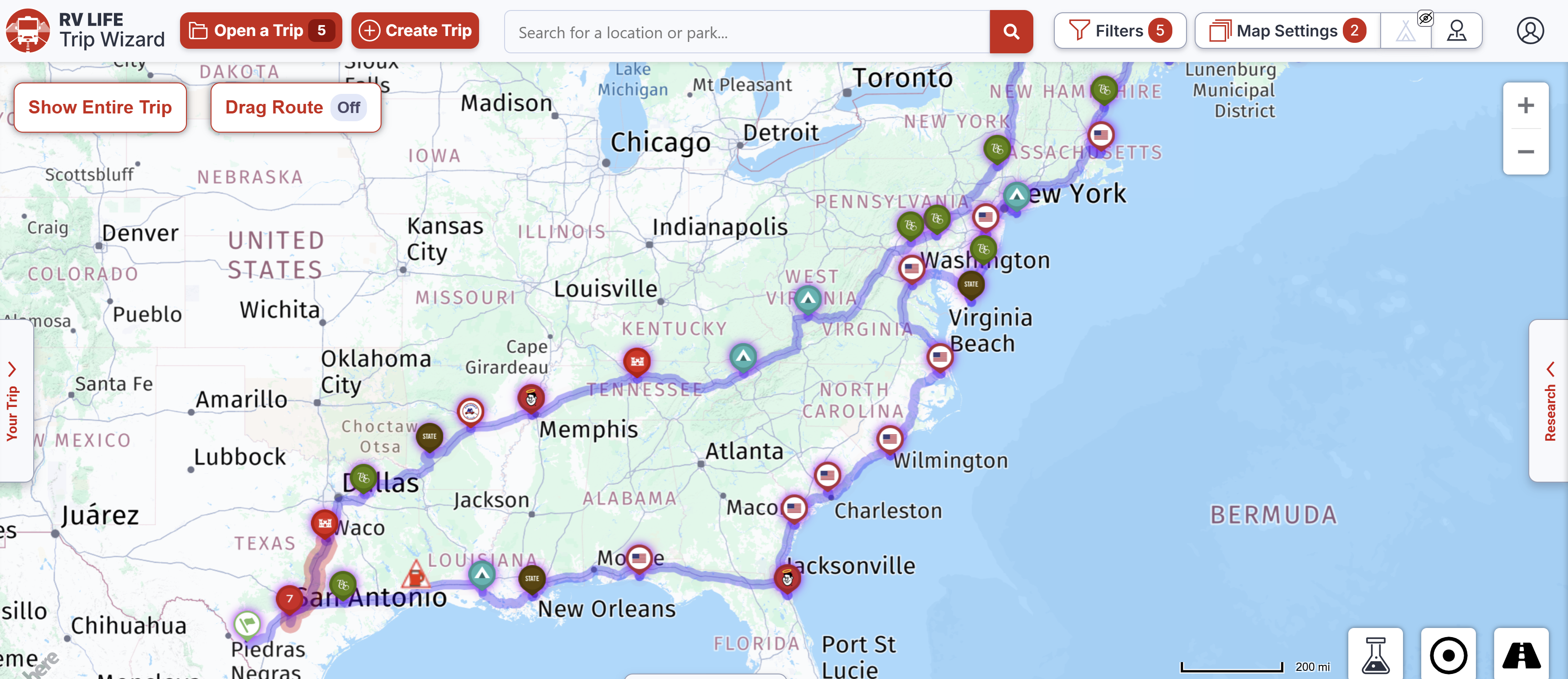
When we’re planning a trip, we use the Driving Radius in RV LIFE Trip Wizard to help visualize that 300-mile target. We currently have our radius set at 200, 300, and 400 miles, which lets us quickly see potential campgrounds and destinations within each range.
We don’t automatically pick something at the 300-mile mark. Sometimes 200 miles makes more sense, and occasionally we’ll go beyond 300. The radius simply gives us a visual starting point for deciding what makes sense for that particular travel day.
See how we use RV LIFE Trip Wizard to plan our RV trips and set our Driving Radius.
2. Arrive by 3 p.m. (Or More Importantly — Before Dark)
While the 3 p.m. arrival rule is great, the real priority is arriving before dark. In nearly seven years of full-time RVing, we’ve only arrived after dark three times — and we’ve learned from each of them.
Two of those late arrivals happened after a day of RV or Jeep repairs that ran longer than expected. The third time was at a Navy base, where our GPS led us down a dead-end road. We had to unhook the toad to turn around, and when we finally reached the campground, someone had taken our reserved site.
That experience cemented our number one travel rule: don’t arrive after dark. You can’t always see site numbers clearly, obstacles are harder to spot, and finding hookups in the dark can turn an easy setup into a frustrating mess. Plus, if something goes wrong — like someone being in your site — it’s ten times harder to deal with when you’re tired and the sun’s gone down.
These days, we plan our departures so that we can arrive with plenty of daylight to spare. It makes every arrival calm, safe, and stress-free — just the way RV life should be.
3. Stay at Least 3 Days (But We Usually Stay a Week)
The 3-3-3 rule suggests staying at least three nights, but over the years we’ve stretched that to a full week — and sometimes longer. We’ve found that staying put for a week or more gives us time to settle in, explore at a relaxed pace, and really enjoy everything the area has to offer.
After a long drive, that first night is for unwinding. The next few days are for sightseeing, photography, and hiking. And by the end of the week, we’re recharged and ready to hit the road again.
It’s also more efficient — fewer setup and teardown days mean more time doing what we actually love: traveling, relaxing, and exploring.
When to Break the 3-3-3 Rule
Like any guideline, the 3-3-3 rule is flexible — it’s meant to fit your lifestyle, not restrict it.
When we break the rule, it’s usually because we’re traveling through areas that have a lot to see and do, but everything’s too spread out for easy day trips. In those cases, we’ll plan shorter drive days or stays that don’t quite fit the 3-3-3 rhythm so we can make the most of the destination.
A good example is when we’re traveling through an area where several destinations we want to explore are relatively close together. We’ve planned trips with stops only 80–120 miles apart, but instead of using those short distances as an excuse to move every few days, we’ll often stay a full week at each stop. That gives us time to settle in, explore the area, and still enjoy an easy travel day when it’s time to move again.

There are also times when the distance between destinations is longer than we can comfortably cover in one day. In those cases, we’ll make a one-night stopover to break up the drive. We often use Harvest Hosts or Thousand Trails locations for these stays since they’re included in our memberships. If you’ve been considering Thousand Trails, our referral link currently includes $155 off a Camping Pass. Even on those travel-heavy days, we still keep the mileage around 300 miles and make sure to arrive during daylight hours.
Some regions have incredible national parks, scenic byways, and local attractions that are just too far apart for short hops. Rather than miss out, we adjust our schedule and mileage to explore them properly. The key is staying flexible and keeping your travel enjoyable — even if that means bending the rules a bit.
Planning Tools That Help Us Follow the 3-3-3 Rule
We use RV LIFE Trip Wizard when planning our RV trips. One of our favorite features is the Driving Radius, which we have set to show 200, 300, and 400-mile ranges. That makes it easy to see potential stopping points around our preferred 300-mile travel-day target.
We’ve been using RV LIFE Pro since 2020 and use Trip Wizard for all of our RV trips, whether we’re moving a short distance between campgrounds or planning a major multi-stop journey.
See exactly how we use RV LIFE Pro and Trip Wizard to plan our RV travels.
Once we’re on the road, we prefer a dedicated Garmin RV GPS for turn-by-turn navigation. Trip Wizard handles most of our advance planning, while the Garmin is what we rely on behind the wheel.
Read our Garmin RV GPS guide and see which models we recommend.
Final Thoughts
At its core, the 3-3-3 rule isn’t about rigid numbers — it’s about traveling smart. For us, the most important takeaway is simple: arrive before dark. It’s safer, less stressful, and makes every travel day more enjoyable.
After all, RV life is supposed to be about freedom and fun — not frustration and fatigue. The 3-3-3 rule just helps make sure it stays that way.
Join the Conversation
How do you plan your RV travel days?
Do you follow the 3-3-3 rule or have your own version?
Share your tips and experiences in the comments below — we’d love to hear how you make travel days easier!
If you’re looking to build your own home-based business like we have with this webpage, check out Wealthy Affiliate.
Wealthy Affiliate is an all-in-one platform that you can build your whole affiliate marketing business on. It combines training, software, and website hosting into one. This makes the whole process of starting an online business from scratch much easier, especially if you’re new to building a website.