
There are some lessons you hope you never have to learn the hard way.
For us, one of those lessons was credit card fraud.
Over the past three months, our credit cards have been compromised four different times while traveling full-time across the country. Fortunately, every fraudulent transaction was caught quickly by either Navy Federal Credit Union or First Bank before we became responsible for any charges. Even so, replacing cards, updating automatic payments, and wondering how our information was stolen became an unexpected part of life on the road.
We’re sharing our experience because if it happened to us, it can happen to anyone who travels frequently.
We hope that the lessons we learned will help you better protect yourself while traveling.
This post contains affiliate links. As a participant in Amazon Associates and various affiliate programs, we are compensated when qualifying purchases are made through our referral links at no additional cost to you. Full Disclosure
How It Started
The first clue that something was wrong began during our trip to New Orleans.
We parked in a paid parking lot that required payment at an unattended kiosk. At the time, my Navy Federal credit card was pretty worn from years of use and really needed to be replaced. When the kiosk wouldn’t read it, I assumed the worn card was simply the problem.
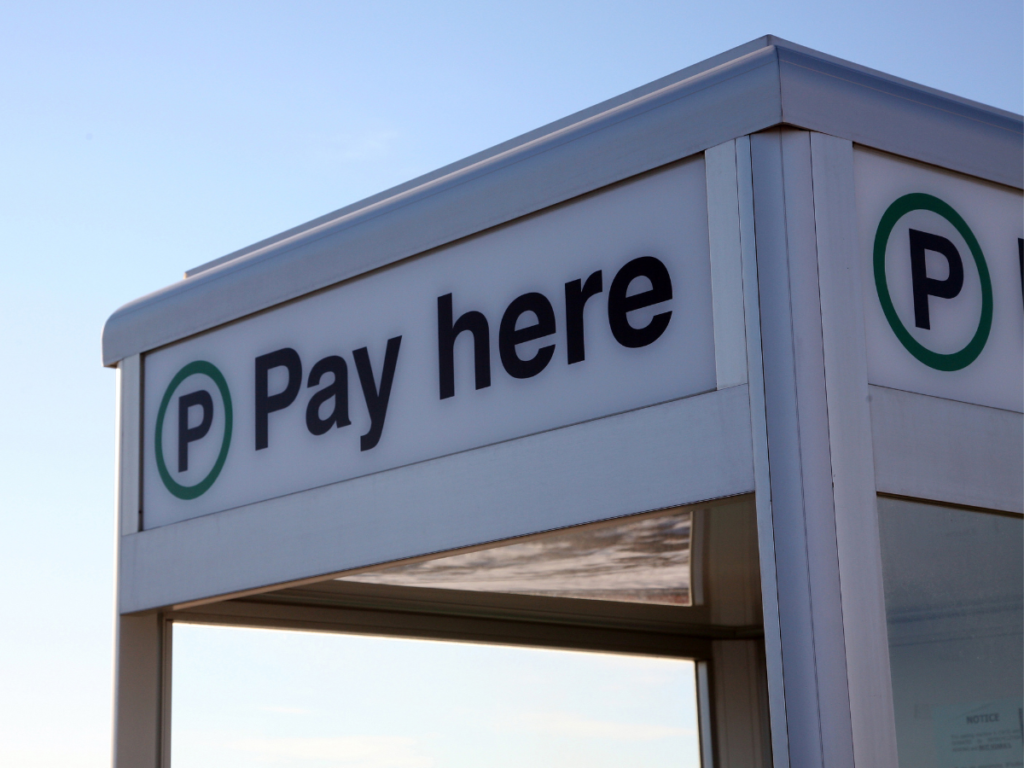
Since my card wouldn’t work, Lisa used her Navy Federal credit card instead.
Later that same week, I used my backup First Bank Mastercard at that same parking lot.
Not long afterward, both cards were eventually compromised.
Can we say for certain that the parking lot was responsible? Absolutely not.
We have no evidence that the parking lot or its payment system was involved in the fraud. It may have been nothing more than a coincidence. However, having two different cards from two different banks later became compromised after being used there, certainly made us more cautious about using unattended payment kiosks whenever another payment option is available.
We’ve been members of Navy Federal Credit Union for more than 30 years, and they’ve always been quick to detect suspicious activity and alert us whenever fraud has appeared on our accounts. We also had an excellent experience with First Bank, which responded just as quickly when our other card was compromised.
The Fraud Looked Nothing Like We Expected
When most people think of credit card fraud, they picture someone buying expensive electronics or making large purchases.
That’s not what happened to us.
One of my compromised cards was used to attempt several online subscription purchases, including:
- PeopleFinder
- A yoga app
- A lifestyle app
Before another transaction could go through, the fraud detection system recognized the suspicious activity and immediately blocked the card.
Lisa’s most recent compromised card followed a different pattern.
Even though we’ve never used Walmart.com, her account suddenly showed pending Walmart.com transactions. It started with a small authorization for $9.72, followed by two attempted charges of $42.74 each. Before another transaction for $28.85 could be completed, the card was shut down.
One of the biggest lessons we learned is that credit card fraud often starts with small transactions.
Criminals frequently test stolen credit card numbers with inexpensive subscriptions, digital services, or small online purchases before attempting larger transactions.
Those small charges are often the first warning sign.
Fortunately, none of the fraudulent charges resulted in financial losses for us, but replacing multiple cards while traveling was inconvenient and served as a wake-up call. It made us rethink how we pay for purchases on the road and what we could do to better protect ourselves in the future.
Living on the Road Creates More Opportunities
As full-time RVers, we probably use our credit cards in more places than the average person.
In just a few weeks, we might use our cards at:
- Fuel stations
- Campgrounds
- Restaurants
- Grocery stores
- Tourist attractions
- Parking kiosks
- Local shops
- Visitor centers
Every new stop introduces another payment terminal, another payment processor, and another opportunity for criminals to obtain card information.
That doesn’t mean traveling is unsafe, but it does mean we’re exposed to many more merchants than someone who shops in the same hometown every week.
What We Changed
After experiencing multiple fraud alerts in just a few months, we took a hard look at how we use our credit cards while traveling. While nothing can completely eliminate the risk of fraud, these changes help us better protect our accounts and catch suspicious activity sooner.
We Use Tap-to-Pay Whenever Possible
Whenever a business offers contactless payment, that’s now our first choice.
Even better, we’ve started using Google Pay much more often, and we’re planning to get Lisa set up with it as well. Instead of sharing your actual credit card number with the merchant, Google Pay (and Apple Pay) uses a secure, one-time payment token for each transaction. That means your real card number isn’t stored by the merchant, adding another layer of protection when you’re on the road.
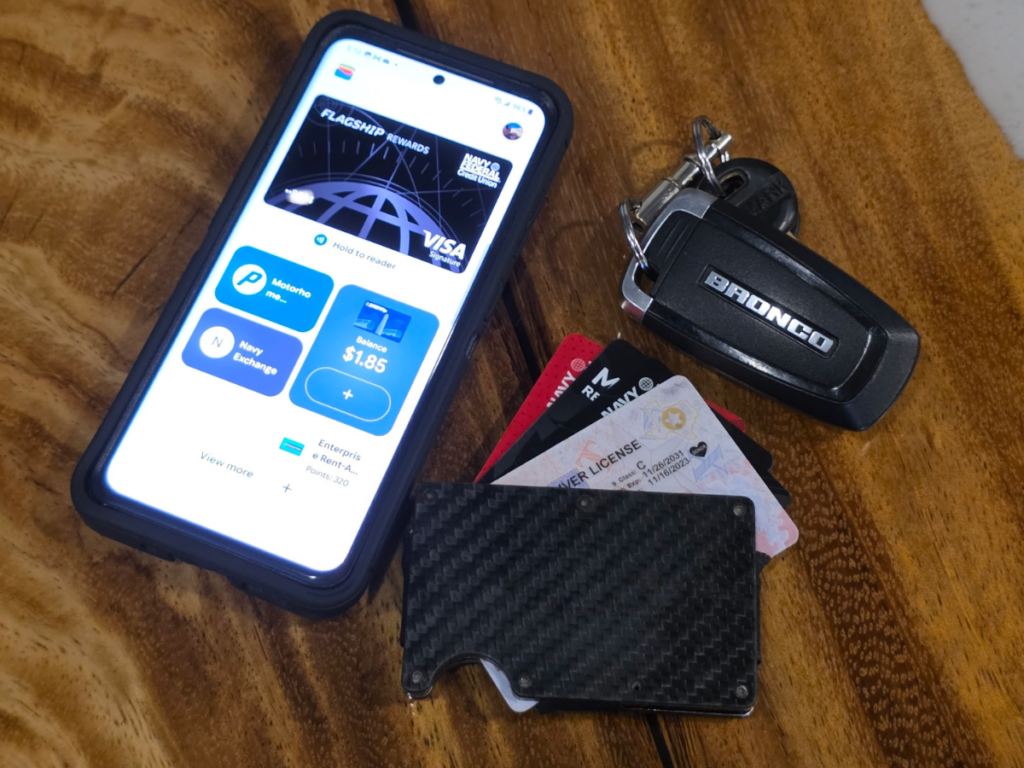
We still carry our physical credit cards because not every business accepts mobile payments, but whenever we have the choice, we tap our phone instead.
We Think Twice About Unattended Payment Kiosks
Parking kiosks, self-service payment machines, and unattended terminals are convenient, but we’ll look for alternatives whenever possible.
If there’s an app, a staffed payment booth, or another secure payment option, we’ll choose that instead.
Again, we’re not saying our New Orleans parking kiosk caused our fraud, but the experience reminded us that it’s worth being cautious anytime we use an unattended payment terminal.
We Keep Transaction Alerts Turned On
This is probably the single best thing we’ve done.
Every purchase generates an immediate notification on our phones.
Instead of discovering fraud days or weeks later, we know within seconds if something doesn’t look right.
We Keep Receipts From Every Purchase
It’s a simple habit that makes it much easier to verify transactions, spot unauthorized charges, and answer any questions if our bank contacts us about suspicious activity.
We Carry Credit Cards From Different Banks
One thing our experience reinforced is the value of having cards from different issuers.
If one bank has to shut down a card while you’re traveling, you still have another available.
When you’re hundreds of miles from home, that’s a huge advantage.
We Review Our Accounts More Often
We no longer wait for our monthly statement.
Instead, we quickly review recent transactions every few days.
It only takes a minute, but it gives us peace of mind.
We Replace Worn-Out Credit Cards
One lesson I learned personally was not to wait until a card is barely working.
My Navy Federal card had become worn enough that some readers struggled to recognize it. I had been meaning to replace it, but kept putting it off.
While the worn card itself didn’t cause the fraud, replacing aging cards before they fail is one less thing to worry about when you’re traveling.
What About RFID Blocking?
One of the first things we wondered was whether someone had somehow scanned our contactless credit cards.
After researching the topic, we don’t believe that was the most likely cause of our fraud.
Modern contactless cards use dynamic security features, and most credit card fraud today comes from compromised merchants, payment processors, skimming devices, or stolen card numbers rather than someone secretly scanning your wallet.
While RFID-blocking wallets and sleeves may provide additional peace of mind, they’re not a cure-all.
Credit Where Credit Is Due
Throughout all of these incidents, both Navy Federal Credit Union and First Bank did an outstanding job detecting suspicious activity.
Every fraudulent transaction was identified quickly, we were notified promptly, and the compromised cards were shut down before any significant fraudulent purchases could be completed.
Replacing credit cards while traveling isn’t convenient, but we’d much rather deal with that temporary inconvenience than spend months trying to recover stolen money.
We’re grateful for the fraud protection and quick response provided by both financial institutions.
What to Do If Your Card Is Compromised While Traveling
Acting quickly can limit the damage and help keep a fraudulent charge from disrupting the rest of your trip.
- Lock the card immediately. Use your bank or credit card app to temporarily lock or freeze the card as soon as you notice suspicious activity.
- Contact the card issuer. Call the number in the official banking app, on the issuer’s website, or on the back of the card. Avoid calling a number included in an unexpected text or email.
- Review recent transactions. Check for small unfamiliar charges, pending authorizations, subscriptions, and any other activity you do not recognize.
- Report and dispute fraudulent charges. Tell the issuer which transactions are not yours and confirm whether the card will be permanently closed and replaced.
- Switch to a backup payment method. Use a card from a different bank whenever possible, especially while waiting for a replacement.
- Check your other financial accounts. Review your other credit cards, bank accounts, and digital wallets in case more than one account was affected.
- Update automatic payments later. Once the replacement card arrives, update any legitimate subscriptions or recurring bills connected to the old card number.
- Keep records of what happened. Save fraud alerts, emails, transaction details, confirmation numbers, and the date and time you spoke with the issuer.
Travel tip: Keep at least one backup card stored separately from your primary wallet. That way, one compromised or lost card does not leave you without a way to pay while you are away from home.
Our Biggest Takeaways
If we could go back and give ourselves advice before all of this happened, it would be this:
✔ What We Do Now to Help Prevent Credit Card Fraud
After dealing with multiple credit card compromises while traveling, we made a few simple changes that help us catch suspicious activity quickly and minimize the impact if it happens again.
- Turn on transaction alerts for every credit card.
- Review recent transactions every few days, even when no alerts are received.
- Carry credit cards from different banks so we’re never without a payment option.
- Keep backup cards stored separately from the wallets we carry every day.
- Replace worn or damaged credit cards before they stop working.
- Use digital wallets like Google Pay or Apple Pay whenever they’re available.
- Lock a card immediately through the bank’s app if something doesn’t look right.
- Keep emergency contact numbers and account information in a secure location.
Our biggest takeaway: Credit card fraud can happen to anyone. The goal isn’t to eliminate every risk—it’s to catch fraudulent activity quickly and have a backup plan so your travels can continue with as little disruption as possible.
Final Thoughts
Credit card fraud can happen whether you’re full-time RVing, taking a weekend road trip, or flying halfway around the world. While we may never know exactly where our cards were compromised, the experience reminded us how important it is to stay vigilant and have a backup plan.
Today, we rely more on contactless payments like Google Pay, carry cards from different banks, monitor our accounts more closely, and always travel with a backup payment method. These simple changes give us greater peace of mind every time we hit the road.
Have you ever experienced credit card fraud while traveling? We’d love to hear your story in the comments below. Your experience may help another traveler avoid the same situation.
And if you found this article helpful, be sure to explore more of our travel tips, RV gear reviews, and real-world experiences here at GoFullTimeRVing. Safe travels, and may your next adventure be memorable for all the right reasons!
?️ Products We Use & Recommend for Safer Travel
These products can help protect your cards, organize important documents, and provide extra peace of mind while traveling. Some are products we personally use, while others are recommendations we feel are excellent choices for fellow travelers.
✔ Products We Personally Use
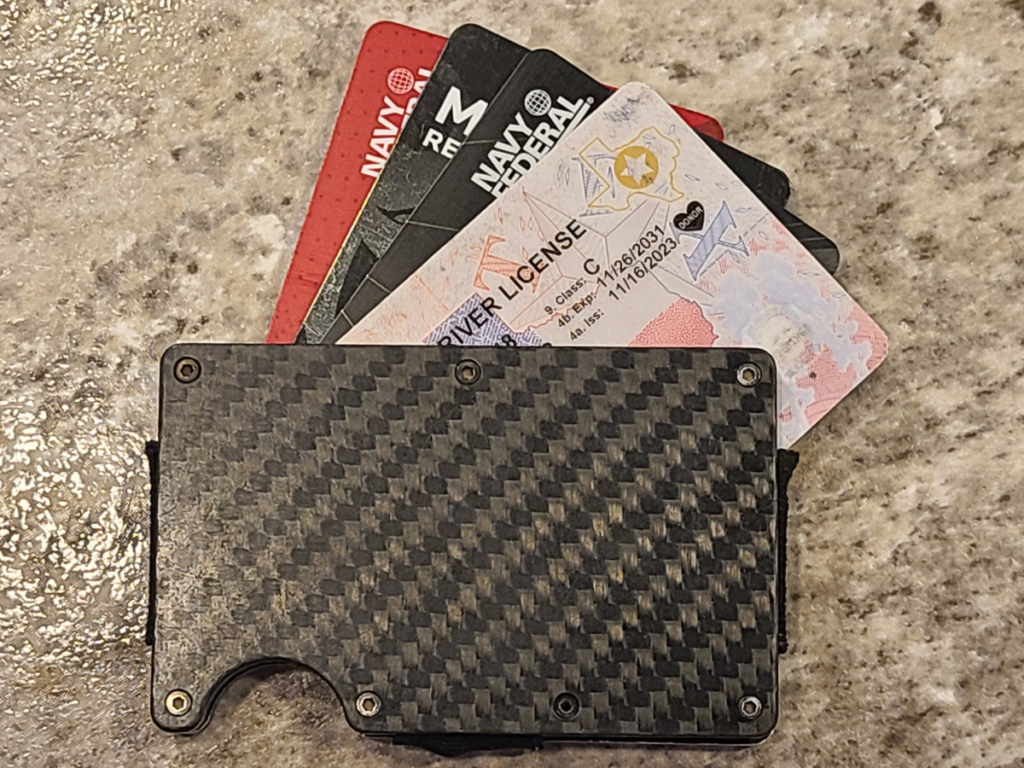
Rob carries the Ridge Wallet every day. Its slim, minimalist design eliminates bulk while securely holding the cards he uses most.
View on AmazonWe use these RFID-blocking sleeves to protect spare credit cards and keep them organized while traveling.
View on AmazonImportant documents, passports, spare credit cards, and other valuables stay protected inside this locking fireproof document box in our RV.
View on Amazon⭐ Products We Recommend
A spacious RFID-blocking bifold wallet with room for credit cards, cash, receipts, and travel essentials at an affordable price.
View on AmazonA higher-end leather wallet with RFID protection for travelers who prefer a classic design from a recognizable brand.
View on AmazonA compact anti-theft sling designed for sightseeing, cruises, crowded attractions, and keeping daily essentials close.
View on AmazonCredit card fraud is only one of the unexpected problems travelers may encounter. Travel insurance can help with covered medical emergencies, trip interruptions, baggage delays, and other travel mishaps.
Compare Travel Insurance