

While visiting Fredericksburg, Texas, we spent an afternoon at the National Museum of the Pacific War, and it turned out to be one of the most impactful museum visits I’ve had in a long time.
This isn’t a quick stop or a casual walk-through. It’s a deep, carefully curated exploration of World War II, with a strong emphasis on naval history and the Pacific Theater of Operations. Even after spending three solid hours inside, we still didn’t manage to see everything before the museum closed for the day.
That alone should tell you something.
- Location
- Admiral Nimitz and His Fredericksburg Roots
- National Museum of the Pacific War: Exploring the Pacific Theater
- Artifacts That Bring History to Life
- The Doolittle Raid: Turning the Tide of Morale
- Three Hours Wasn’t Enough
- The Pacific Combat Zone (A Built-In Reason to Return)
- The Plaza of the Presidents: Leadership in Uniform
- The Manhattan Project and the Decision to Use the Atomic Bomb
- A Clear Timeline of the Atomic Bomb Drops
- Where We Stayed in Fredericksburg
- Other Things To Do In Fredericksburg
- Final Thoughts
This post contains affiliate links. As a participant in Amazon Associates and various affiliate programs, we are compensated when qualifying purchases are made through our referral links at no additional cost to you. Full Disclosure
Location
The National Museum of the Pacific War is located in the heart of Fredericksburg, making it an easy stop while exploring the Texas Hill Country.
Address:
340 E Main Street
Fredericksburg, TX 78624
Admiral Nimitz and His Fredericksburg Roots
Like many who went through Navy Boot Camp, I learned early on about Admiral Chester W. Nimitz. His name is legendary in naval history. What I didn’t know back then was that he was born and raised right here in Fredericksburg, Texas.


That hometown connection is the backbone of the museum. The exhibits do an excellent job of showing how Nimitz’s early life shaped his leadership style—measured, steady, and focused on long-term outcomes. For anyone with a Navy background, that part of the museum hits a little closer to home.
National Museum of the Pacific War: Exploring the Pacific Theater
The Pacific Theater doesn’t always get the attention the European side of World War II receives, but this museum makes it clear just how massive—and unforgiving—that fight really was. The distances involved, the logistics challenges, and the brutality of island warfare are laid out clearly and logically.
Major campaigns and battles covered include:
- Pearl Harbor
- The Battle of Midway
- Guadalcanal
- Iwo Jima
- Leyte Gulf
- Okinawa
The inclusion of Iwo Jima is especially powerful. The museum clearly shows how the staggering casualty figures there—and later at Okinawa—factored into planning for what might come next.
The timeline flows naturally, showing how naval strategy evolved: aircraft carriers replacing battleships, submarines becoming decisive weapons, and intelligence and coordination shaping outcomes across enormous distances.


Artifacts That Bring History to Life
The artifact collection is extensive without feeling overwhelming. Aircraft, uniforms, weapons, and personal items help anchor the history in something tangible. These displays don’t exist in isolation—they’re integrated into the broader story of the war and the people who fought it.
The museum also doesn’t shy away from difficult subjects. Combat fatigue, prisoner-of-war experiences, and the human cost of the war on both sides are addressed directly and respectfully.


The Doolittle Raid: Turning the Tide of Morale
One of the most fascinating early-war moments covered by the museum is the Doolittle Raid.
Launched in April 1942, just months after Pearl Harbor, the raid involved B-25 Mitchell bombers taking off from an aircraft carrier—something Japan believed was impossible at the time. Led by Jimmy Doolittle, the mission wasn’t about physical destruction. It was about morale and momentum.
The museum explains why the raid mattered:
- It delivered a massive morale boost to the American public
- It shocked Japanese leadership and exposed homeland vulnerability
- It forced Japan to rethink its defensive strategy, directly influencing decisions that led to Midway
Placed in the broader timeline, the Doolittle Raid serves as the psychological turning point between early-war shock and the strategic momentum that followed.


Three Hours Wasn’t Enough
We spent right around three hours inside the museum and still didn’t make it to the Pacific Combat Zone before it closed for the day. That wasn’t because we rushed—it’s because this museum rewards people who slow down and actually engage with what they’re seeing.
If you’re reading exhibits, watching the short films, and absorbing the material, time disappears quickly.
The Pacific Combat Zone (A Built-In Reason to Return)
The Pacific Combat Zone is an outdoor, immersive area designed to recreate what fighting in the Pacific actually felt like. Rather than focusing on written panels, it emphasizes environment—terrain, defensive positions, and the physical realities Marines and sailors faced during island campaigns.
Missing it just means we already have a solid reason to come back.

The Plaza of the Presidents: Leadership in Uniform
Walking through the Plaza of the Presidents was one of those moments that really made me stop and think. I hadn’t fully realized before this visit that every U.S. president from Harry S. Truman through George H. W. Bush had prior military service.
Seeing that laid out visually reinforces how deeply military experience shaped an entire generation of national leadership. These were men who understood command responsibility, sacrifice, and the cost of war—not just politically, but personally.

The Manhattan Project and the Decision to Use the Atomic Bomb
One of the strongest sections of the museum is how it presents the Manhattan Project and the decision to use the atomic bomb.
Rather than treating Hiroshima and Nagasaki as isolated events, the museum walks visitors through the entire chain of events that led there. The exhibits explain the secrecy, scale, and urgency of the Manhattan Project, along with the scientific breakthroughs and massive resources required to make it possible.
Just as importantly, the museum places those decisions firmly in the context of the Pacific War as it existed at the time:
- Escalating casualty figures from battles like Iwo Jima and Okinawa
- Projected losses from a full-scale invasion of the Japanese mainland
- Japan’s refusal to surrender after the first atomic bomb
- The immense pressure on leadership to bring the war to an end
The presentation is factual and restrained—no sensationalism, no editorializing. Timelines, documents, and outcomes are allowed to speak for themselves, which makes the weight of the decision impossible to ignore.


A Clear Timeline of the Atomic Bomb Drops
Having previously seen the Enola Gay at the Smithsonian National Air and Space Museum and Bockscar at the National Museum of the United States Air Force, this museum provided the missing context.
Those aircraft represent the execution of the decision. Fredericksburg explains why the decision was made.
The museum lays out a clear, chronological timeline of both atomic bomb drops and ties them directly back to battlefield realities and leadership considerations.


Where We Stayed in Fredericksburg
If you’re planning to make a trip out of the Elephant Experience, it pairs really well with staying nearby in Fredericksburg.
We stayed at Arch Ray RV Resort, and it turned out to be a great base for exploring the area. The location makes it easy to get to attractions like The Preserve while still enjoying the laid-back Hill Country atmosphere Fredericksburg is known for.
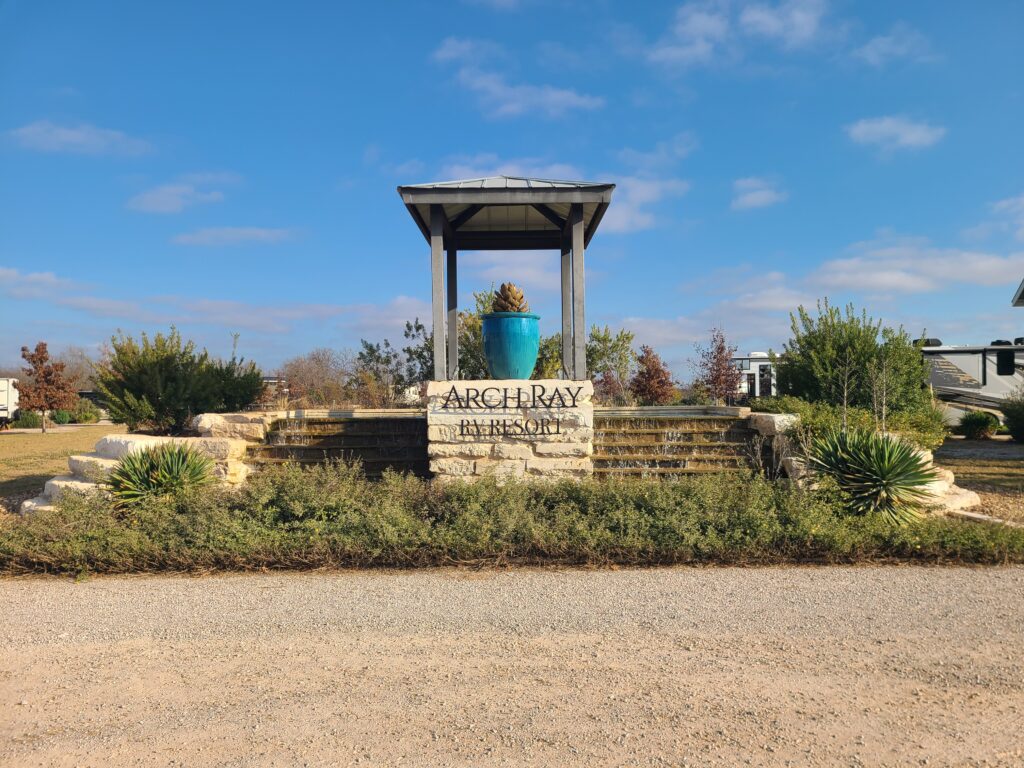
What we liked most was that it felt relaxed and comfortable — the kind of place where you can actually unwind after a full day of activities instead of just crashing for the night. Whether you’re spending your days sightseeing, heading out to experiences like this one, or just enjoying some quiet time, it’s a solid option that keeps you close to everything without feeling crowded.
Other Things To Do In Fredericksburg
Final Thoughts
Learning about Admiral Nimitz in Navy Boot Camp gave me respect for the man. Visiting his hometown and walking through the National Museum of the Pacific War gave me perspective.
This museum isn’t just about ships, aircraft, or battles. It’s about leadership, sacrifice, morale, and the long chain of decisions—from the Doolittle Raid to the Manhattan Project—that ultimately brought the Pacific War to an end.
If you have any interest in naval history or World War II, this is a stop you shouldn’t miss. And if you think a couple of hours will be enough, trust me—it won’t be.
If you’re traveling through Fredericksburg, don’t just walk past this museum—give it the time it deserves. Plan your visit, slow down, and let the story of the Pacific War unfold. It’s an experience that stays with you long after you leave.
What interesting places can you recommend?
We’re always on the lookout for unique, out-of-the-way experiences to add to our list.
Thanks for taking the time to read our article!
If you have any questions or comments, we’d love to hear from you in the section below.
If you’re looking to build your own home-based business like we have with this webpage, check out Wealthy Affiliate.
Wealthy Affiliate is an all-in-one platform that you can build your whole affiliate marketing business on. It combines training, software, and website hosting into one. This makes the whole process of starting an online business from scratch much easier, especially if you’re new to building a website.