

One of the highlights of our time in Pensacola was spending Tuesday and Wednesday mornings watching the Blue Angels practice at Naval Air Station Pensacola. While we have seen the Blue Angels many times over the years, this visit gave us the opportunity to really slow down, photograph the practices, and finally put together a full write-up about the experience.
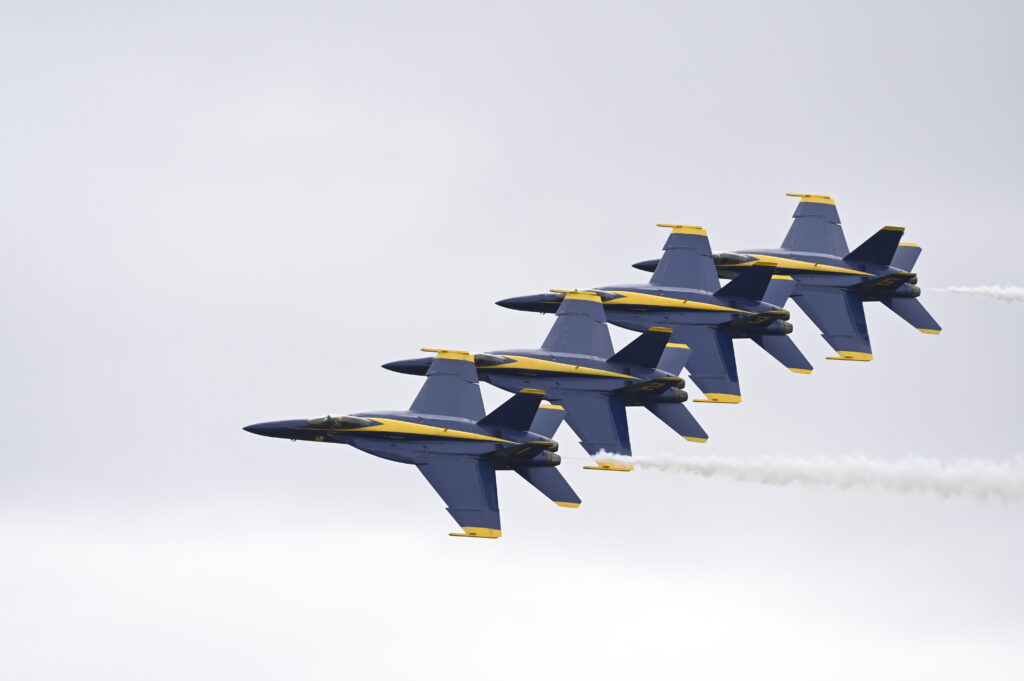
Being from Naval Aviation myself, seeing the Blue Angels always brings back memories. Even after seeing them perform many times over the years, it is still impressive watching the precision, professionalism, and coordination that goes into every maneuver.
Spending time back around Naval Aviation always feels a little familiar, even after all these years.
What made this visit especially interesting was experiencing two very different practice days back-to-back. Cloud ceilings determine whether the Blue Angels perform the high show or the low show. Tuesday’s sunny skies allowed for the full high show, while Wednesday’s overcast conditions meant the team performed the low show instead.
If you are anywhere near Pensacola during show season, this is absolutely something worth adding to your plans. Best of all, it is completely free.
- A Different Show Each Day
- A Few Interesting Blue Angels Facts
- Our Viewing Spot
- Visiting the National Naval Aviation Museum
- Climbing the Pensacola Lighthouse
- Fort Barrancas
- Accessing NAS Pensacola
- Know Before You Go
- Photography Tips for Blue Angels Practice
- Tips for Watching the Blue Angels Practice
- Make the Most of Your Visit to Pensacola
- Continue Exploring Florida’s Panhandle
- Final Thoughts
- Before You Go…
This post contains affiliate links. As a participant in Amazon Associates and various affiliate programs, we are compensated when qualifying purchases are made through our referral links at no additional cost to you. Full Disclosure
A Different Show Each Day
Tuesday greeted us with beautiful Florida weather. Bright sunshine mixed with big puffy clouds created perfect conditions for the Blue Angels to perform their “high show.” The blue sky made the jets easy to follow as they climbed, rolled, and thundered across the airfield.
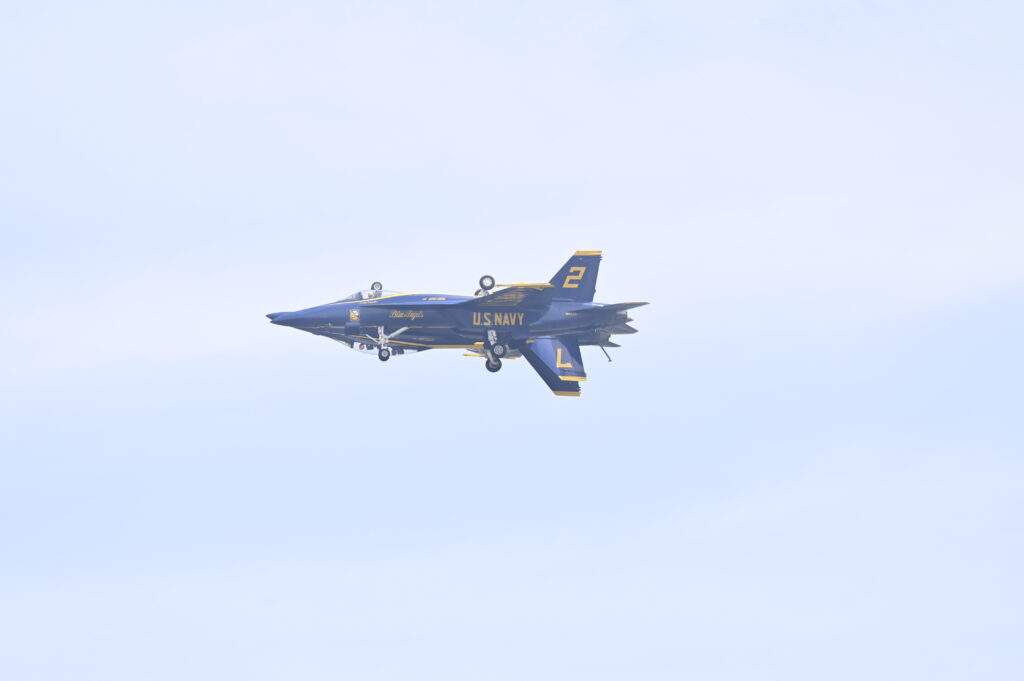
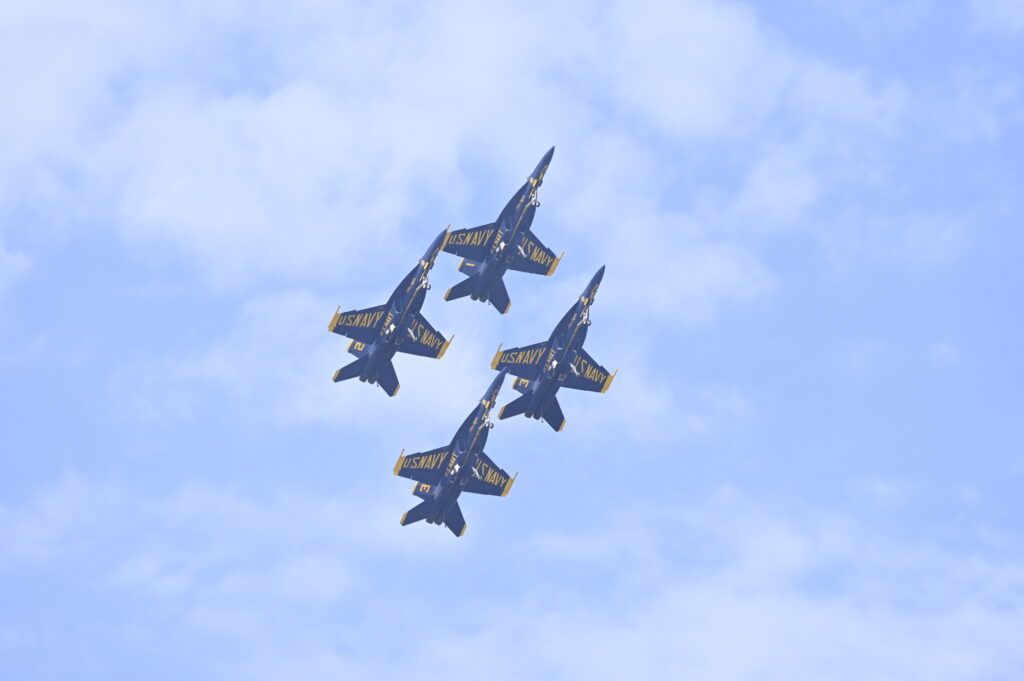
There is just something about hearing those engines roar and feeling the vibration hit your chest as the jets streak overhead. Even if you have seen airshows before, it is hard not to stop and stare.
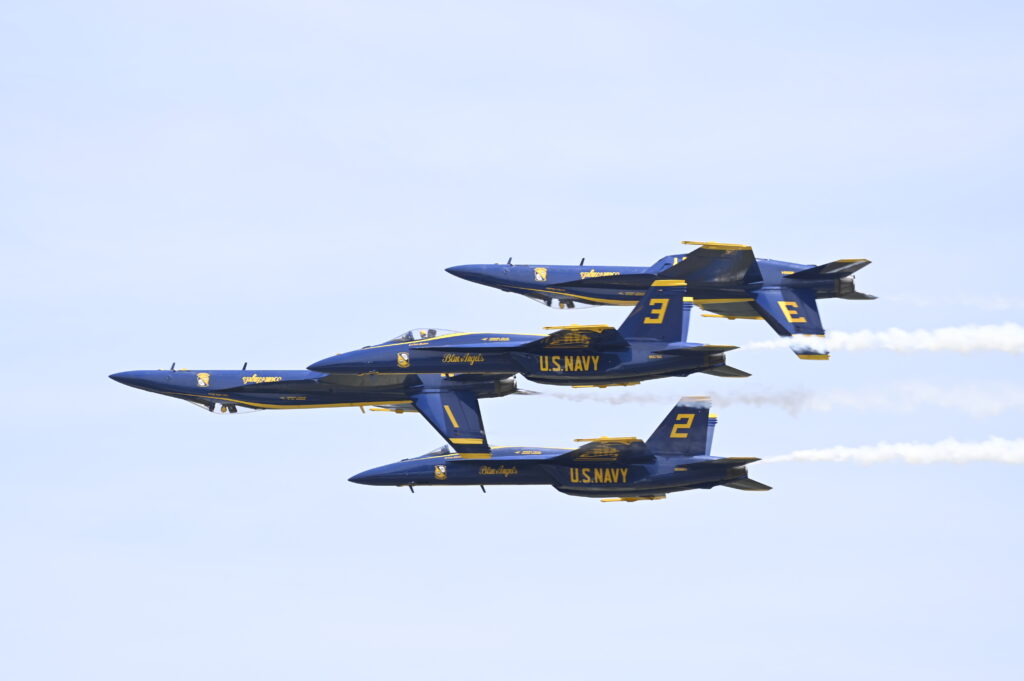
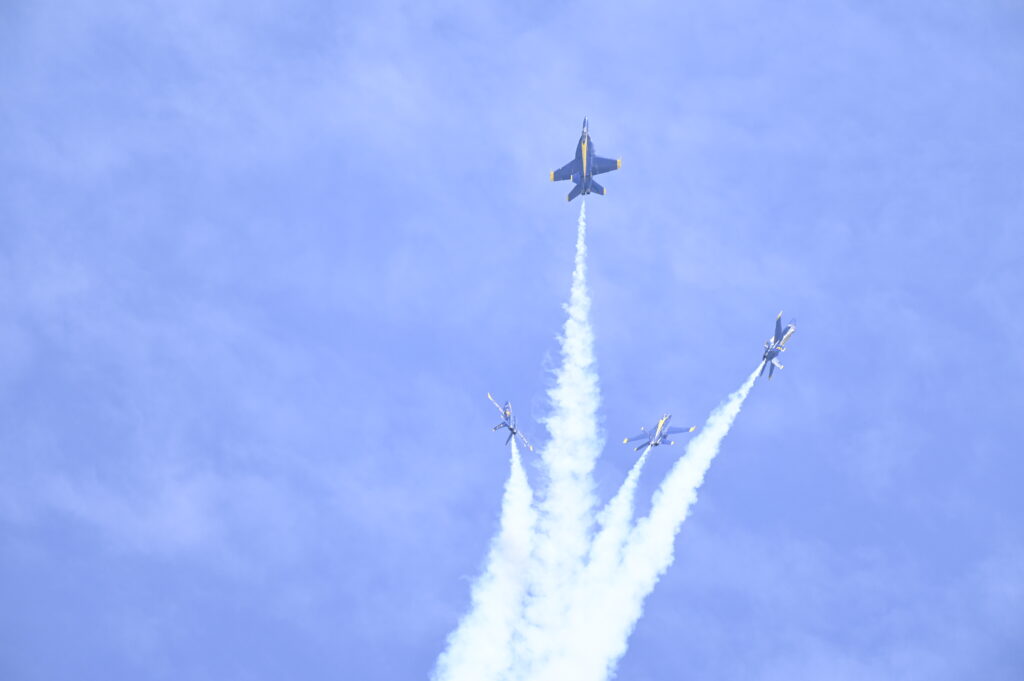
The sound is honestly one of the most unforgettable parts of the experience. The sneak pass especially catches your attention when the jet suddenly appears at high speed from behind the crowd line. Then there are the afterburner turns where the engines light up, and the sound echoes across Pensacola Bay and through the base. You do not just hear it — you feel it.
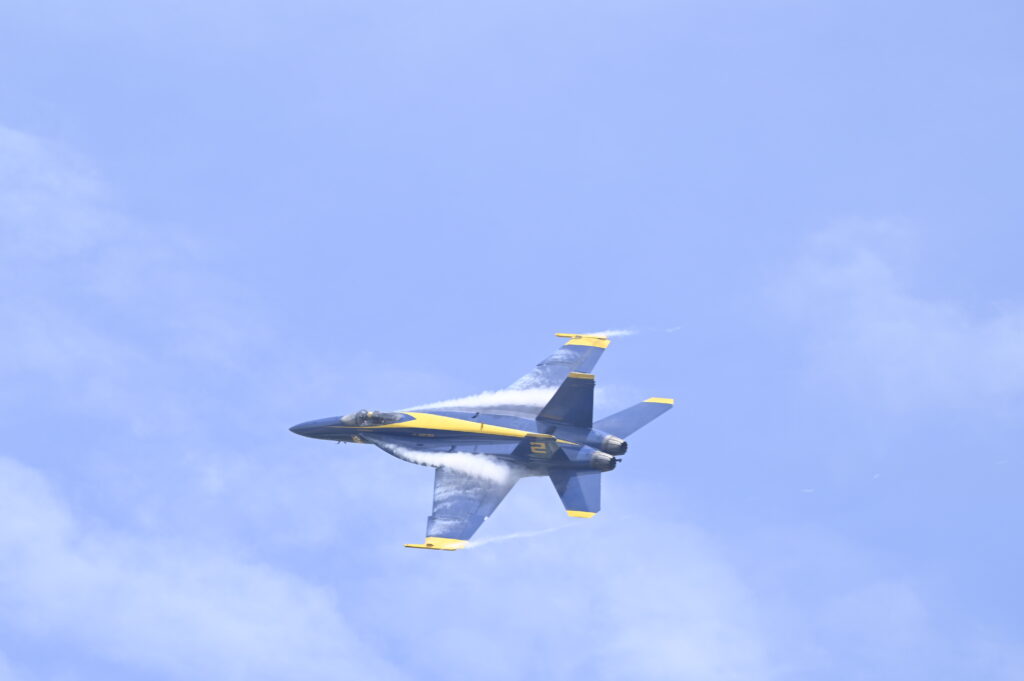
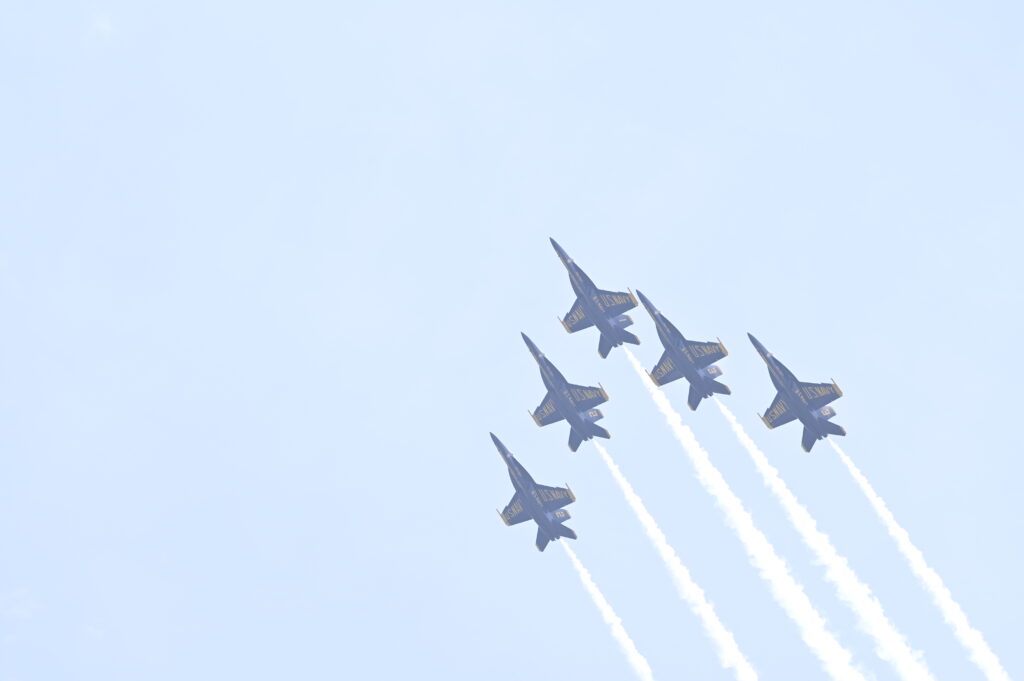
During Tuesday’s performance, one of the solo pilots experienced an issue and had to return to base early. Because of that, only five aircraft completed the remainder of the show. Even with the unexpected change, it was still incredibly impressive watching the precision flying and tight formations the Blue Angels are known for.
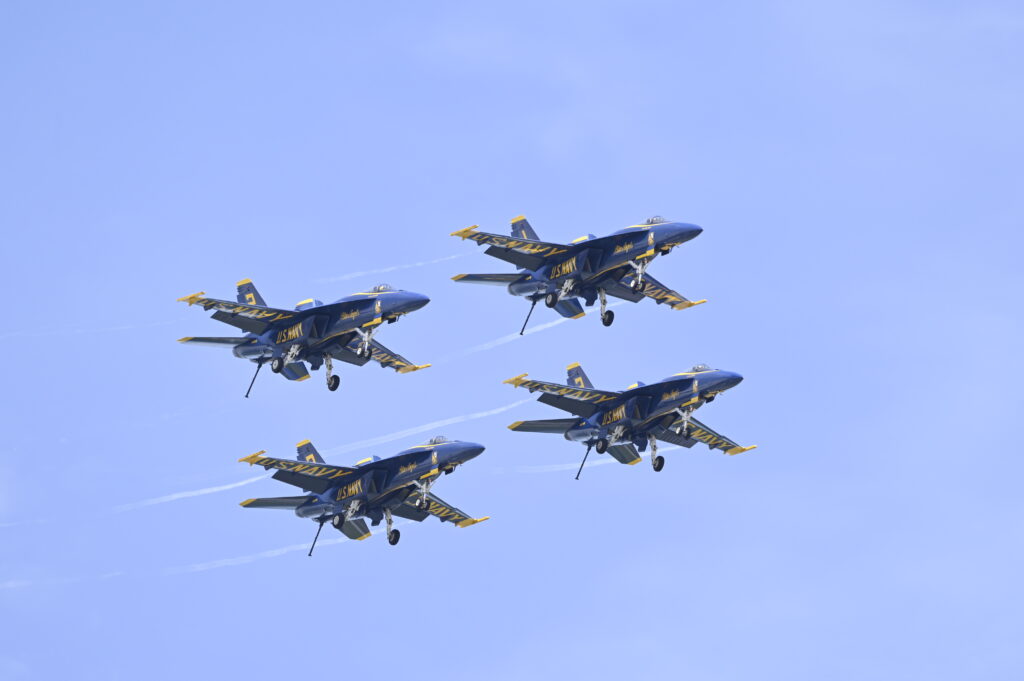
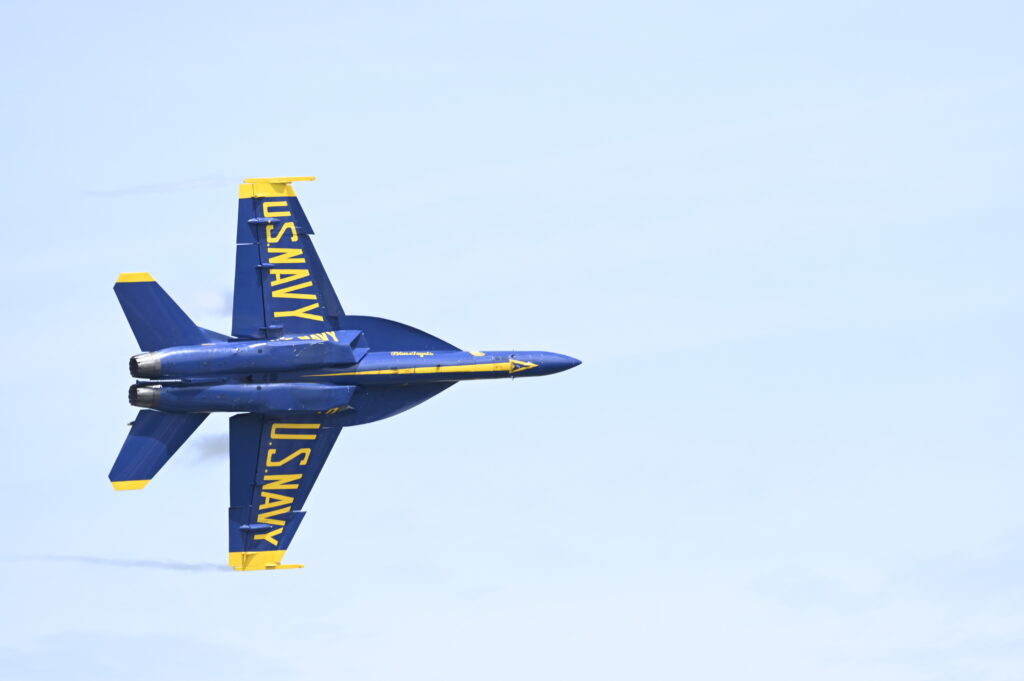
On Tuesday, we brought our longer lenses for photography. I used my Nikon 200-500mm lens while Lisa used her Tamron 150-600mm. The longer lenses worked great for some of the distant passes and formation shots, but honestly, my 200-500mm was too long for a lot of the close-up action when the jets came screaming overhead.
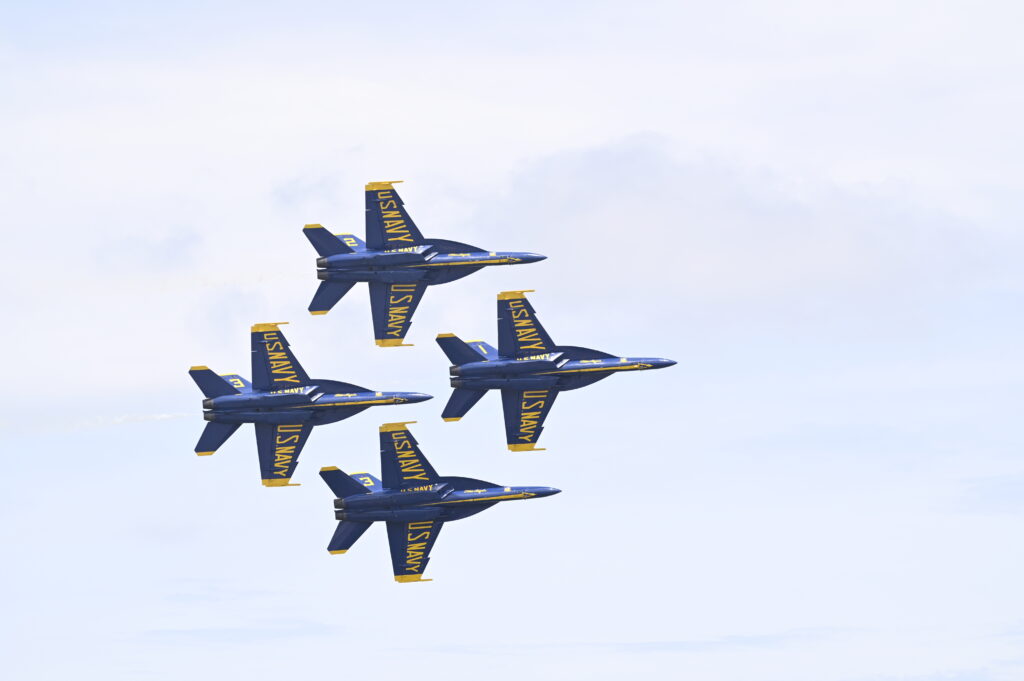
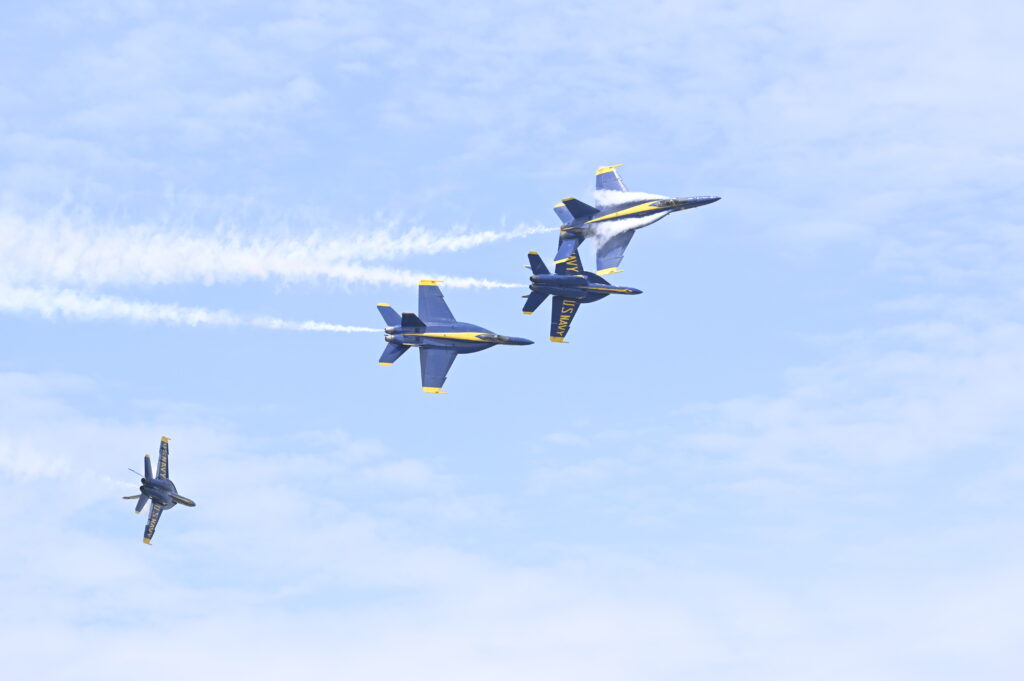
Wednesday turned out completely different.
For Wednesday’s practice, we switched to shorter lenses since we knew how close some of the action would be. I used my Nikon 28-400mm while Lisa used her Tamron 18-400mm. Those setups worked much better for the closer passes and formation flying.
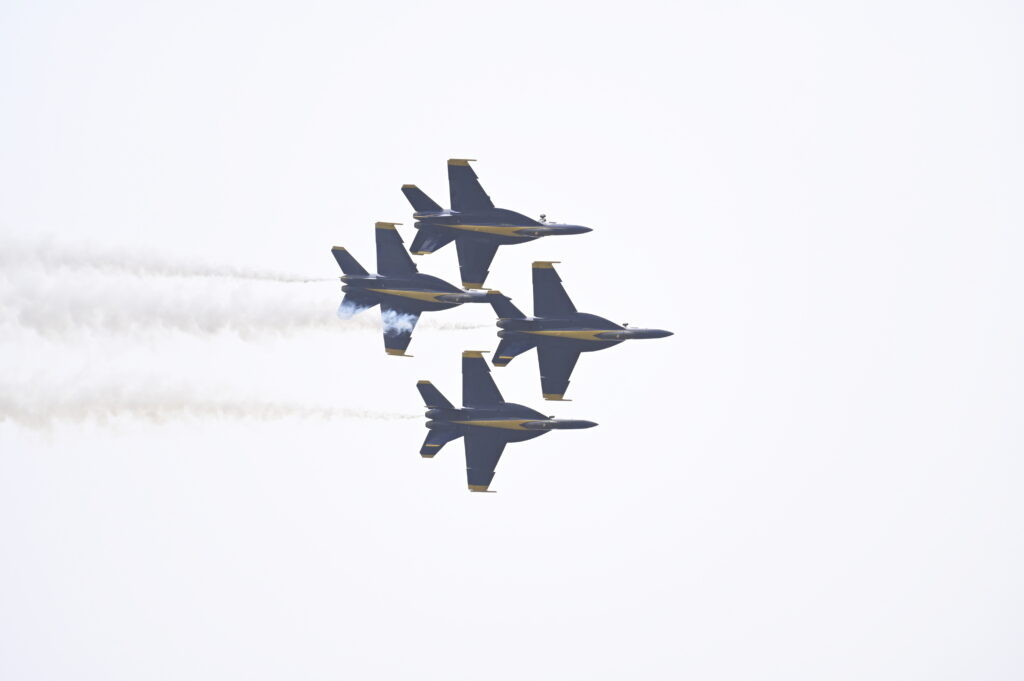
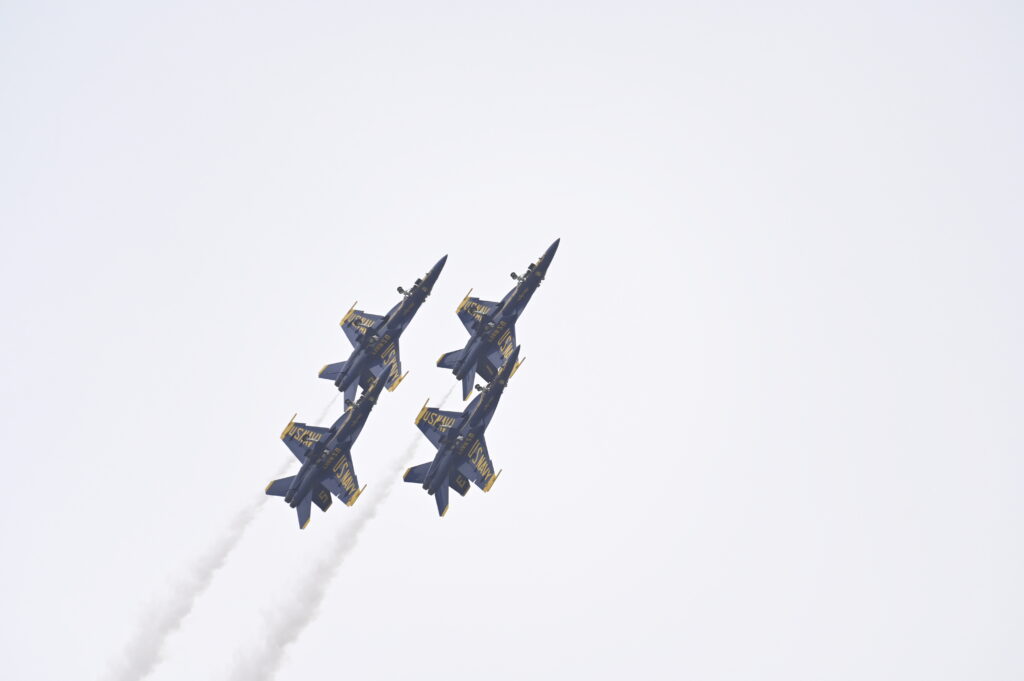
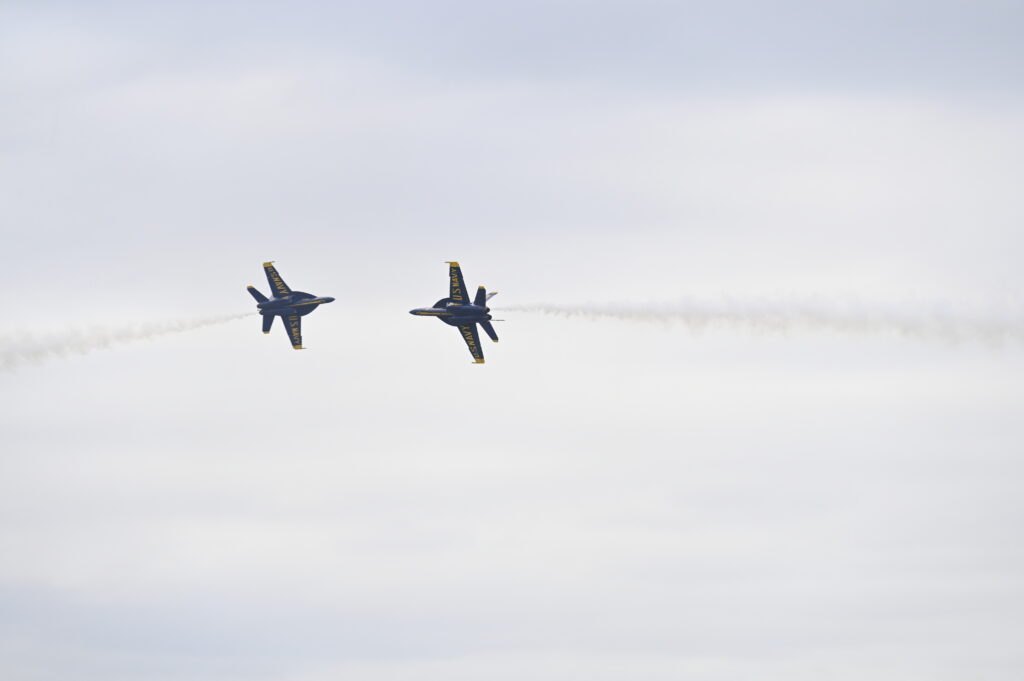
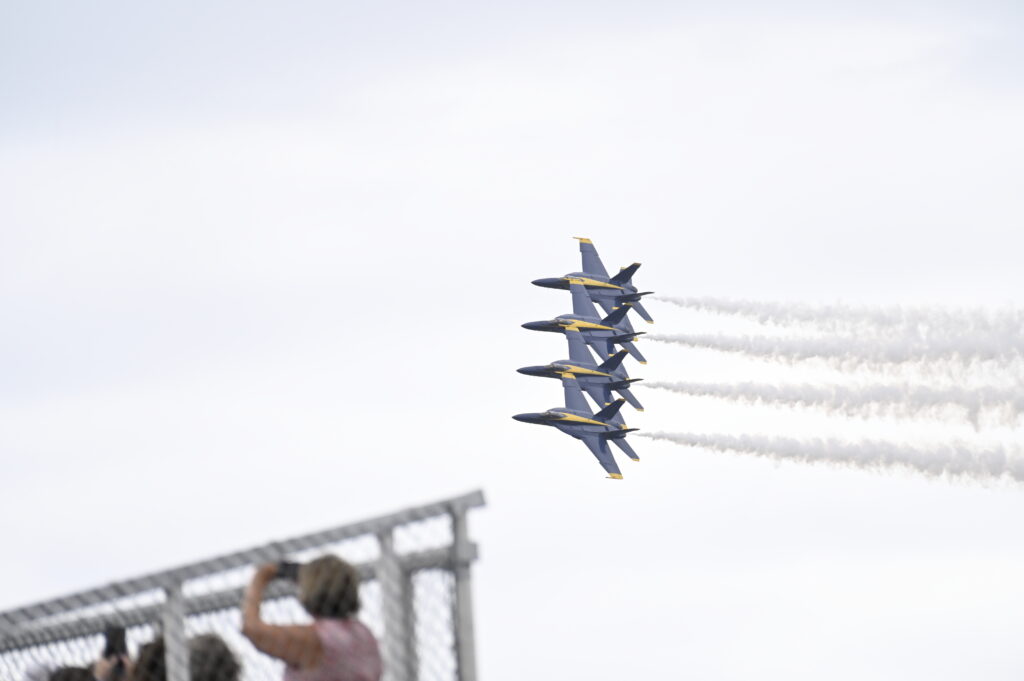
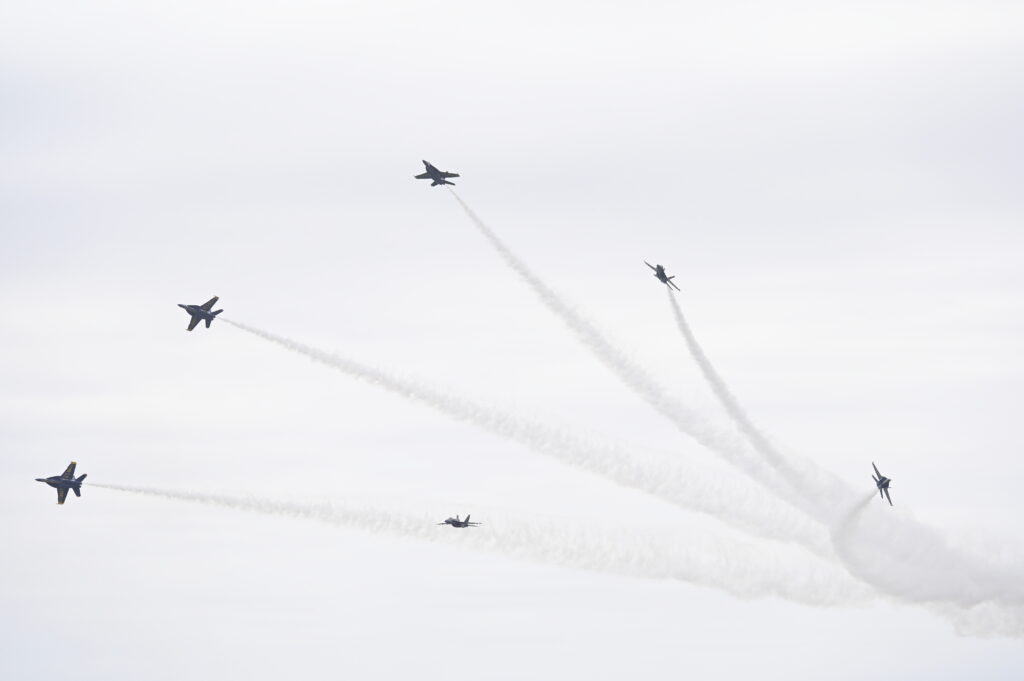
Low clouds and overcast skies meant the team performed their “low show,” which keeps many of the maneuvers closer to the ground so they remain visible below the cloud ceiling. It actually gave us a different appreciation for the pilots because the formations felt even tighter and lower from our viewing area.
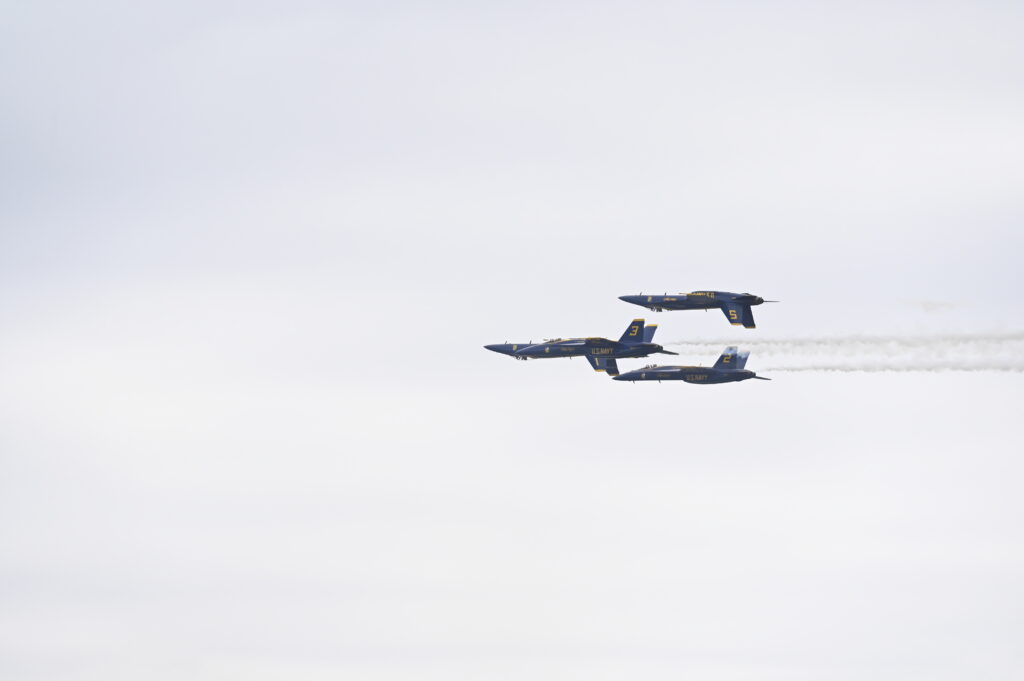
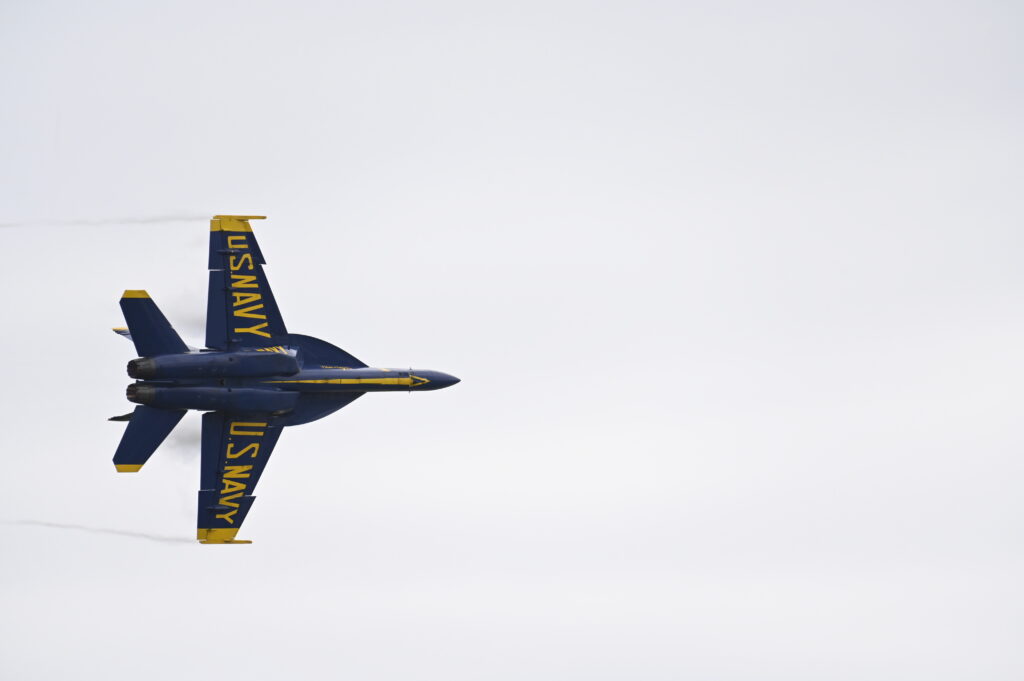
At takeoff, we noticed only three of the four jets in the main diamond formation had departed. We were later informed that the #4 pilot had returned to the hangar to switch aircraft. A short while later, he rejoined the formation, and the practice continued as planned.
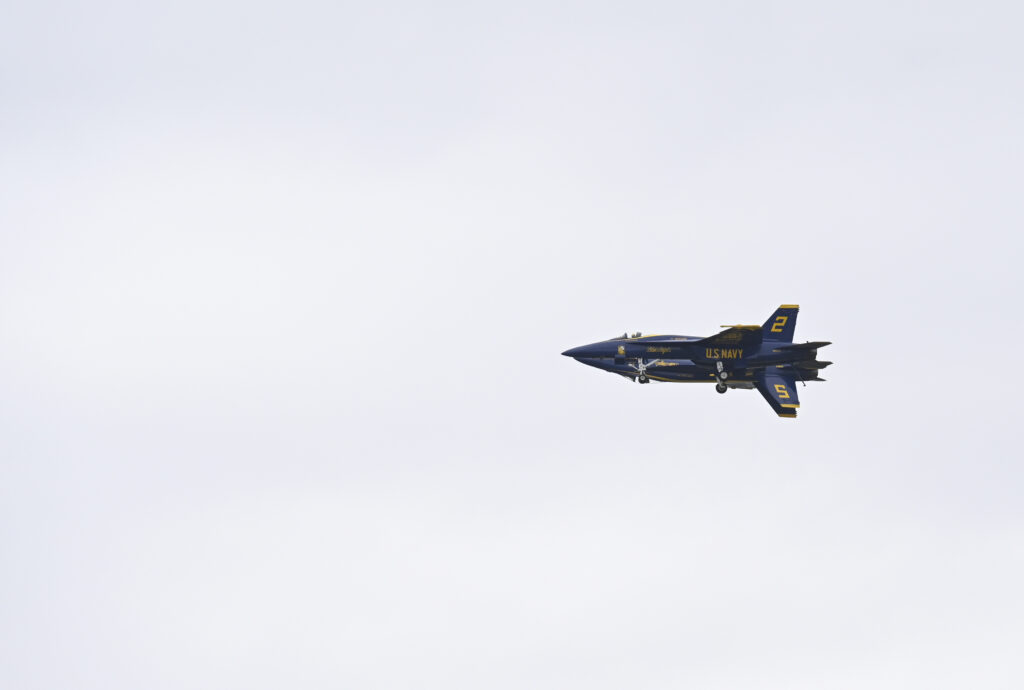

Seeing how quickly the team adapted and carried on only added to the experience. It really highlighted the professionalism and coordination behind the scenes that most people never think about while watching an airshow.
A Few Interesting Blue Angels Facts
Most people attending a regular airshow will usually see aircraft numbered 1 through 6 flying in the demonstration, along with the possibility of seeing aircraft #7, the two-seat jet often used for media flights, VIP rides, and orientation flights.
One thing we noticed during practice at NAS Pensacola was something you normally would not see during a public airshow. During one of the practices, there were actually duplicate aircraft numbers flying around the base at the same time. We saw two #2 jets and two #3 jets operating during the morning.
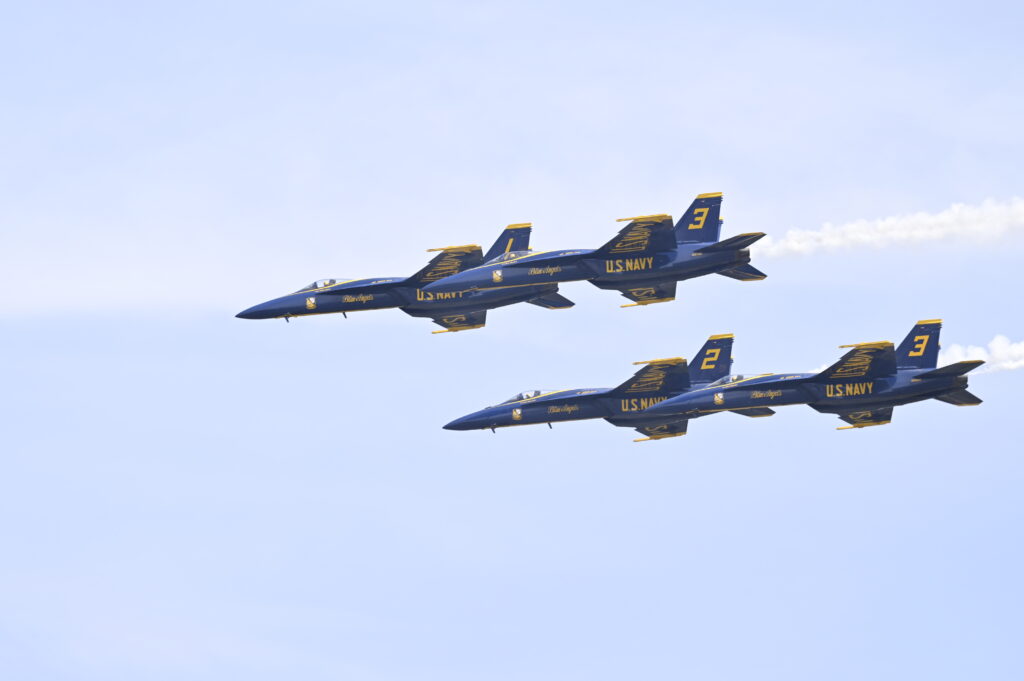
That immediately got me wondering how many aircraft the Blue Angels actually have assigned to the team.
While only six jets fly in the actual demonstration, the Blue Angels maintain additional aircraft as backups and maintenance spares. That way if one aircraft develops a mechanical issue, another jet can quickly be swapped in to keep practices and demonstrations going. After watching #4 return to the hangar and later rejoin the formation in a different aircraft during Wednesday’s practice, it made a lot more sense seeing those duplicate-numbered jets around the field.
It is one of those behind-the-scenes details most people never notice at an airshow, but spending time at the practices gives you a better appreciation for the amount of planning, maintenance, and logistics required to keep the team flying.
Our Viewing Spot
We watched both practices from the blue and gold line located just behind the rented folding chair seating area. It gave us a fantastic view of the action while still leaving enough room to move around with camera gear.
Honestly, there really does not seem to be a bad place to watch from. The viewing area is wide open, and the Blue Angels perform across a large section of the sky, so you can enjoy the show from almost anywhere.
Visitors have several seating options:
- Bring your own chairs
- Rent folding chairs for around $6
- Use the free bleacher seating
- Purchase stadium seating for around $12
Souvenirs are also available onsite, and proceeds go toward supporting the Naval Aviation Museum.
Visiting the National Naval Aviation Museum
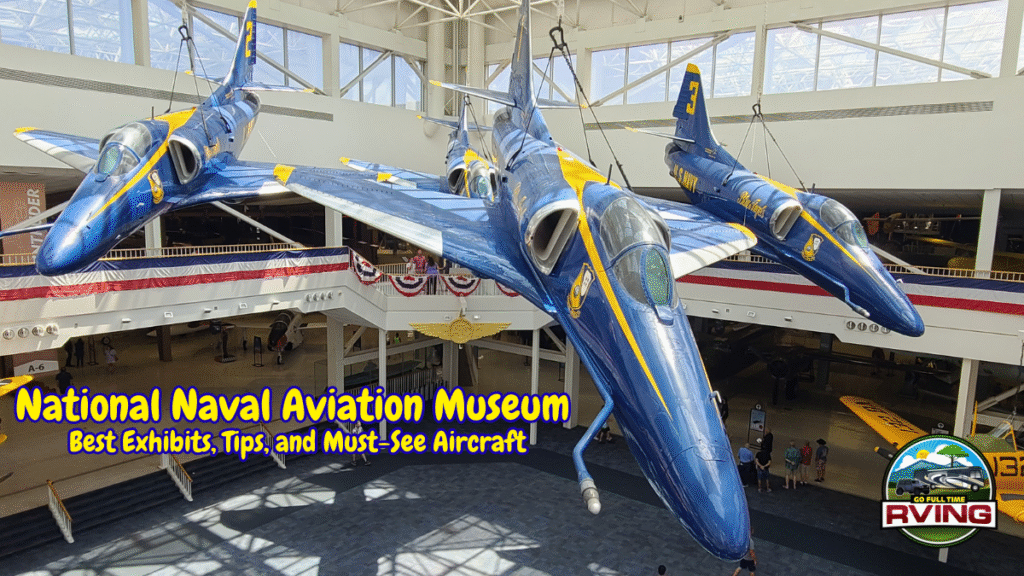
After Tuesday’s practice, we headed over to the National Naval Aviation Museum located right in front of the Blue Angels practice flightline on NAS Pensacola.
The museum is packed with aviation history and honestly deserves several hours to properly explore. From historic military aircraft to detailed exhibits covering the history of naval aviation, there is a lot to take in.
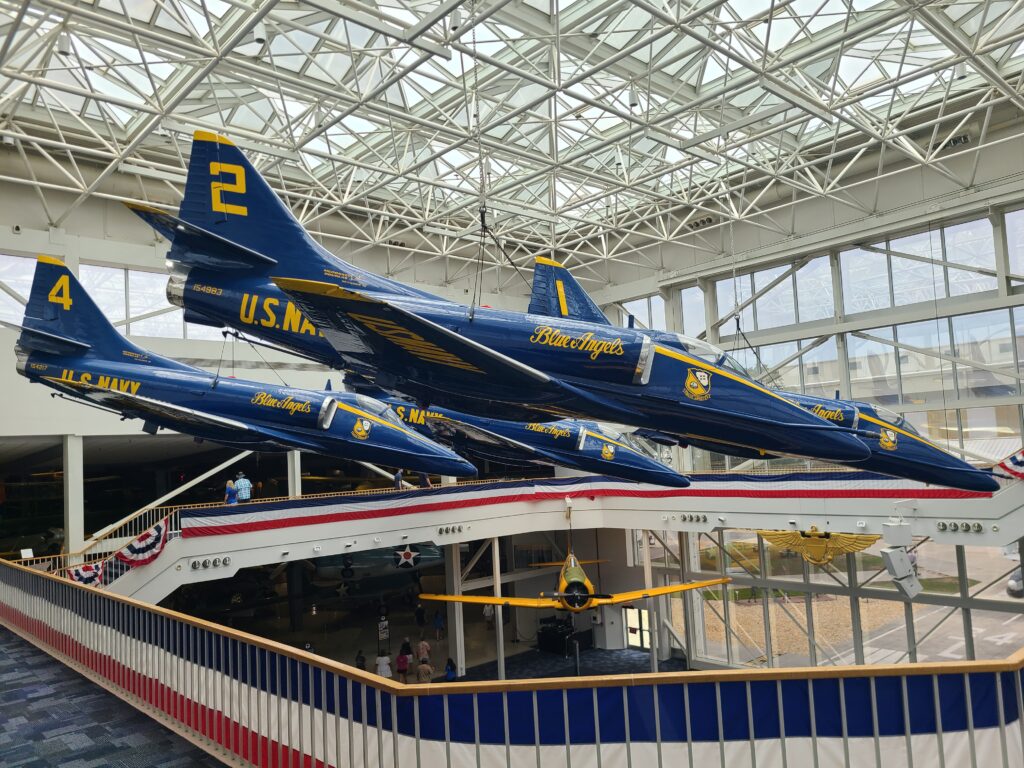
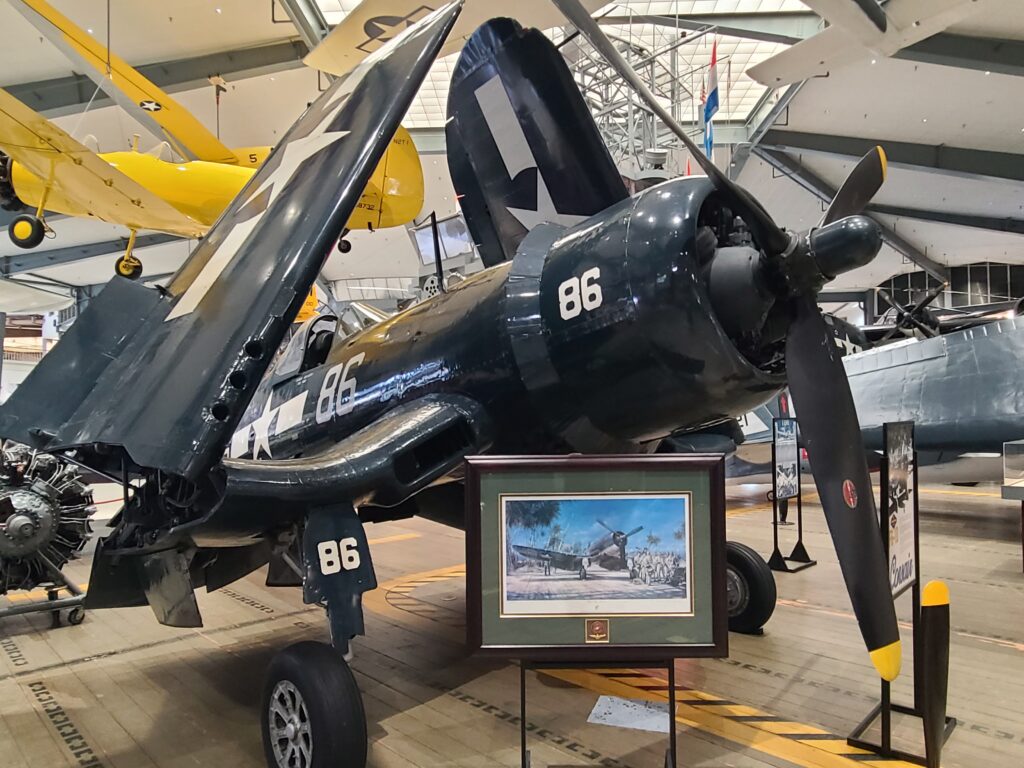
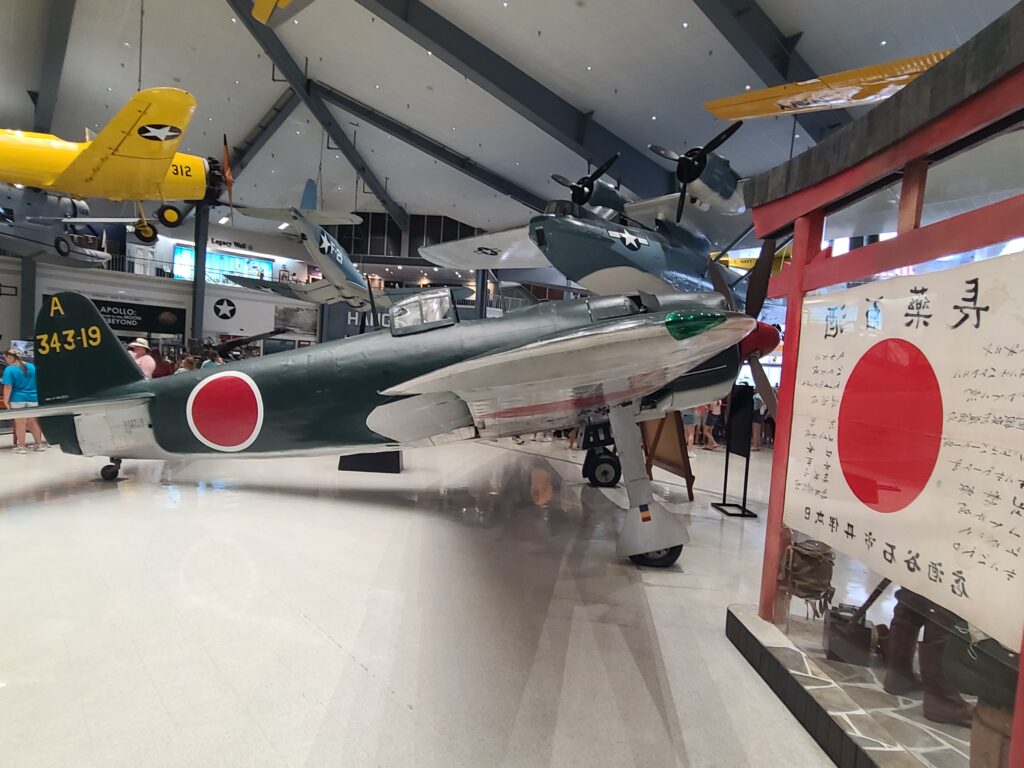
If you are planning to watch the practices, combining it with a museum visit makes for a really enjoyable day and gives you a chance to experience both modern Naval Aviation and its history all in one place.
Being the aviation geek I am, we have been to the Naval Aviation Museum before, but I always seem to learn something new every time we visit.
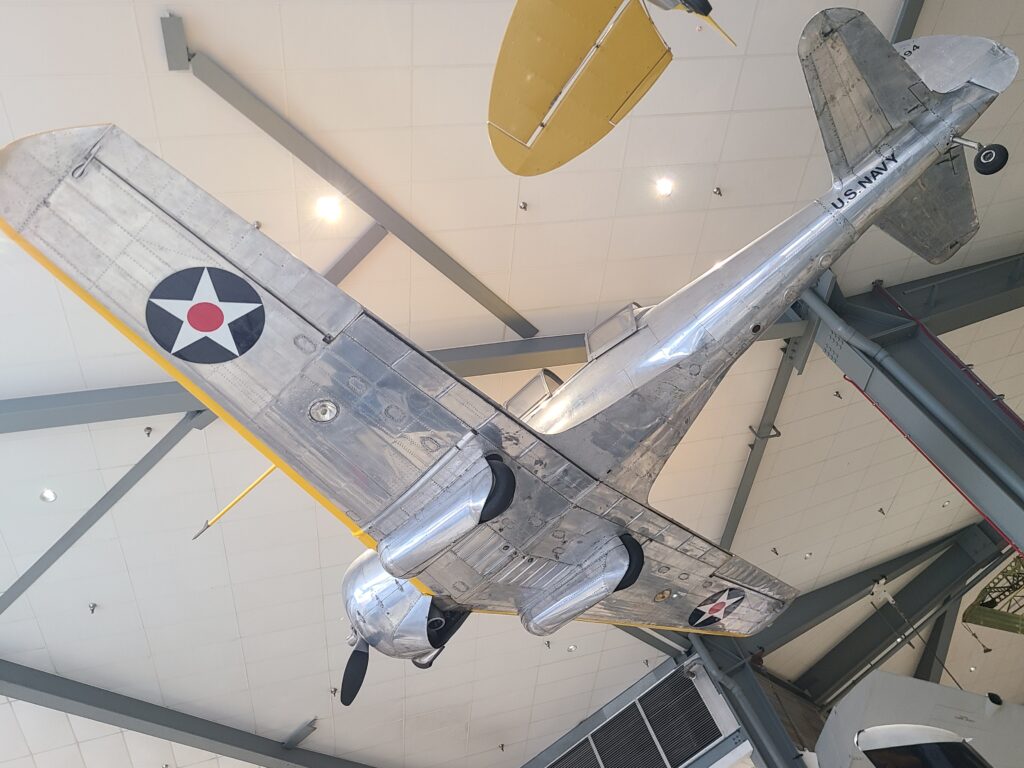
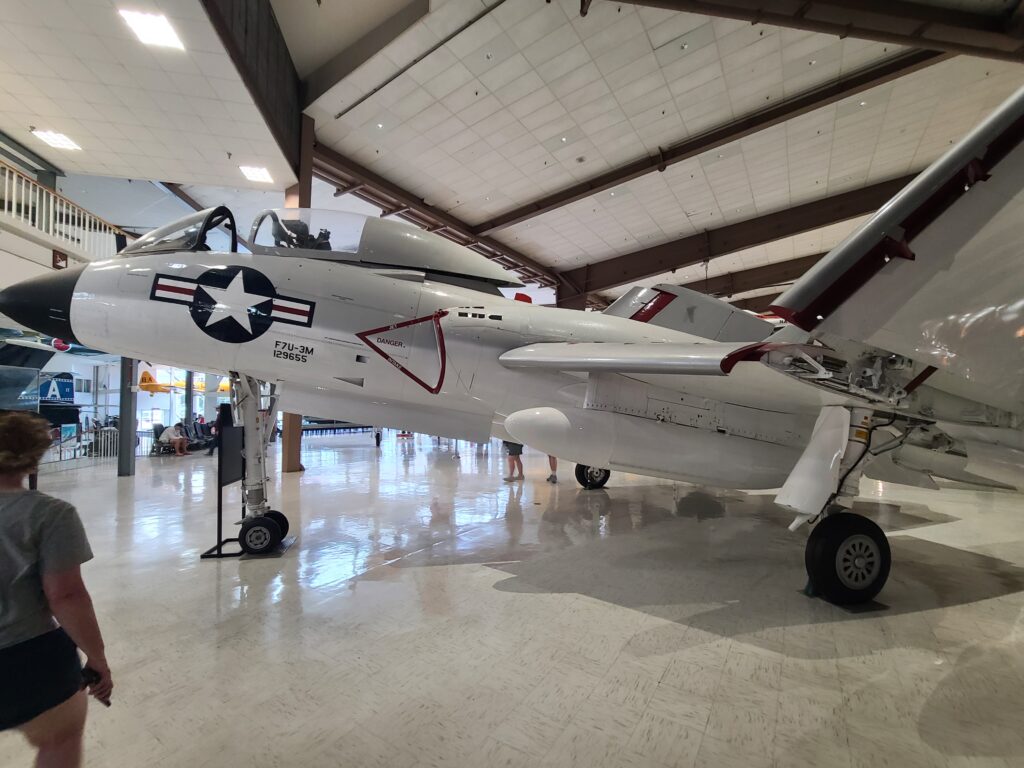
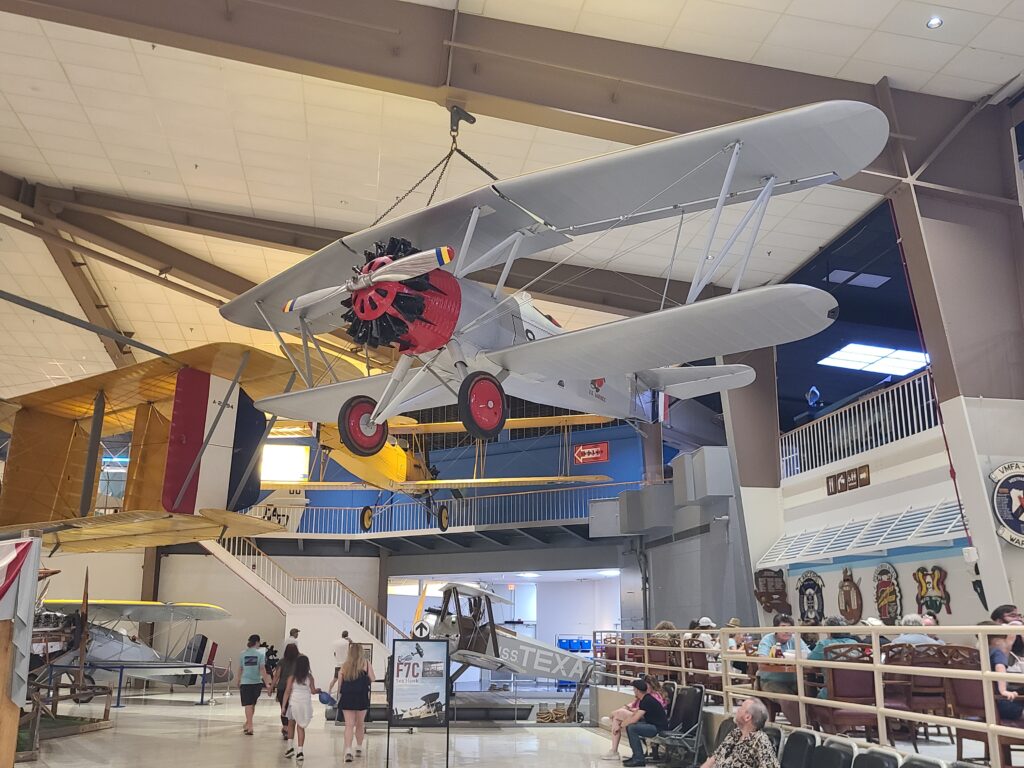
This time, one exhibit that really caught my attention was learning about the WWII training carriers USS Wolverine and USS Sable. Before this visit, I honestly never stopped to think about how the Navy rapidly trained thousands of carrier pilots during World War II.
What amazed me most was discovering that the Navy used converted paddlewheel steamers on Lake Michigan as practice aircraft carriers. Since German submarines could not reach the Great Lakes, it provided a safe place for pilots to practice carrier landings without risking valuable fleet carriers in the ocean.
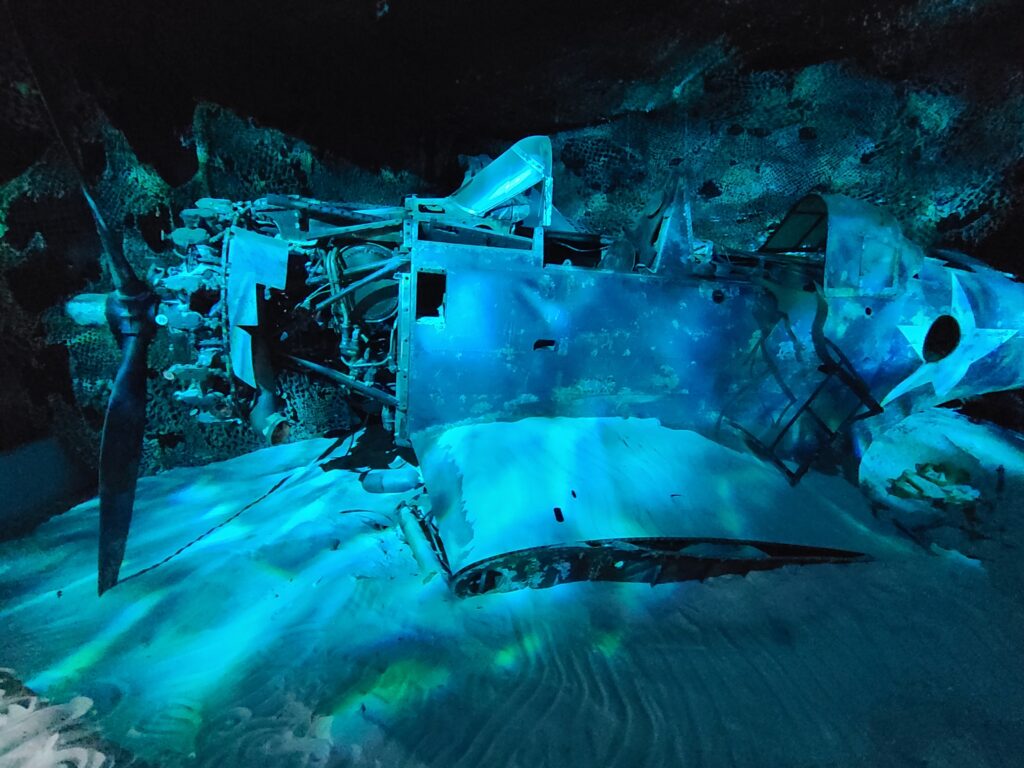
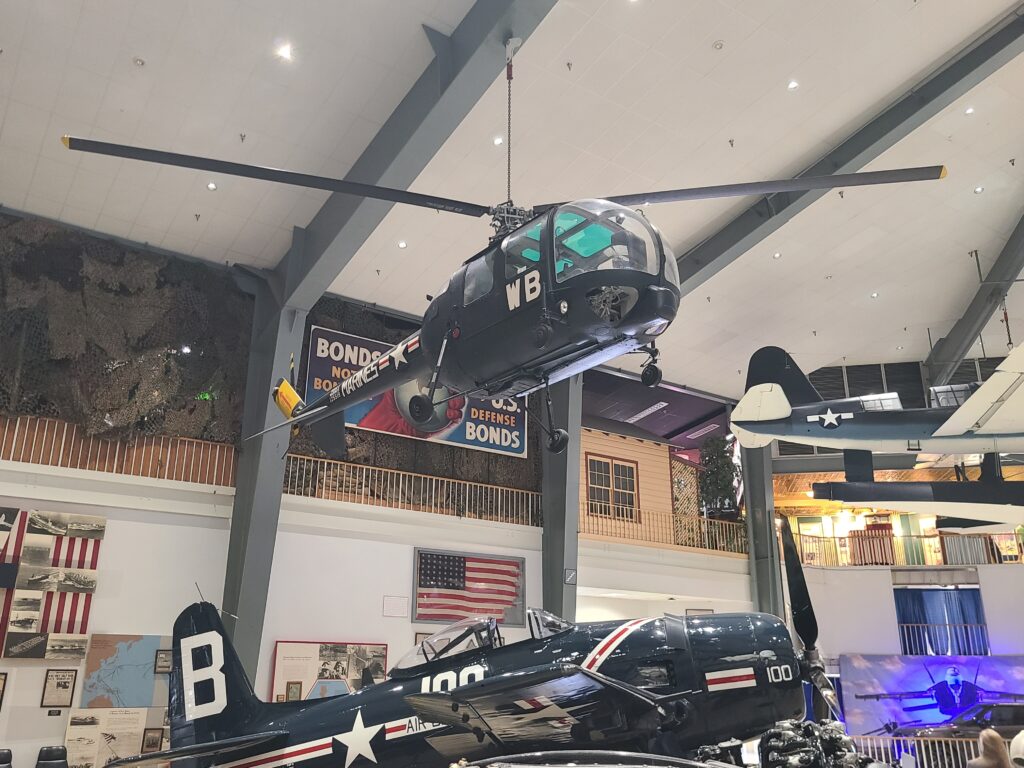
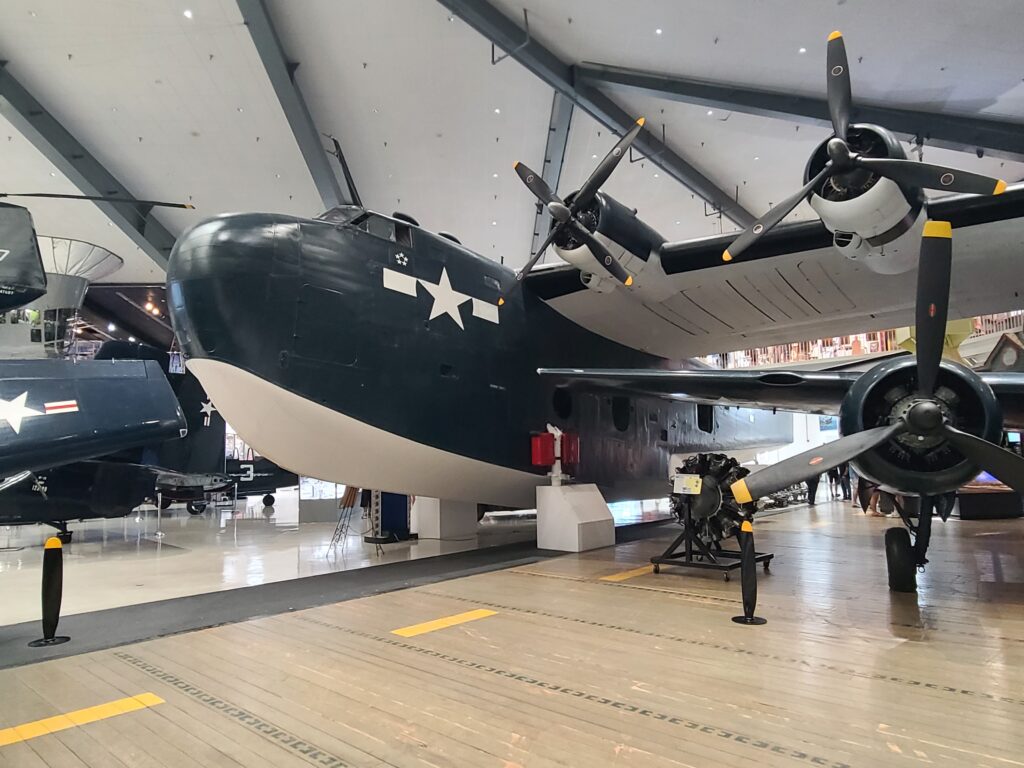
Even more surprising was learning that pilots only needed eight successful landings on the practice carriers to become carrier qualified before heading off to war. Considering how difficult carrier landings are even today, that fact alone was incredible to think about.
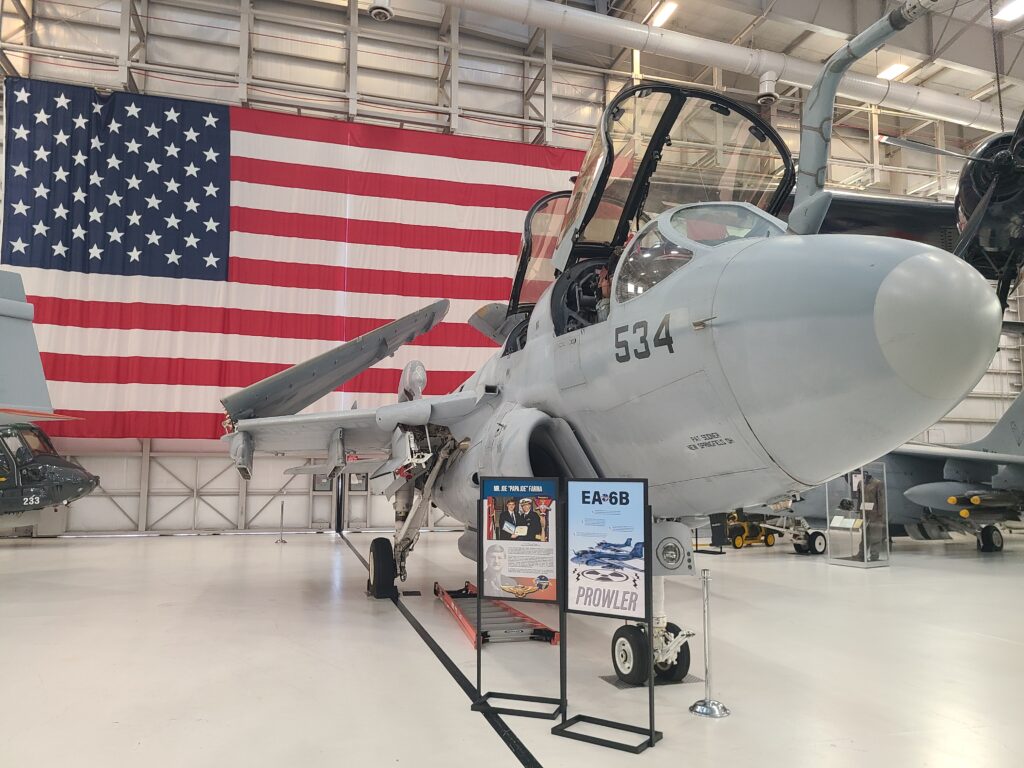
One especially cool bonus happens after the Wednesday practice. The Blue Angels pilots sign autographs inside the museum’s Blue Angel Atrium, giving fans a chance to meet the pilots up close after the show.
Climbing the Pensacola Lighthouse
After the show on Wednesday, we headed over to the Pensacola Lighthouse & Maritime Museum and climbed to the top of the historic lighthouse.
The climb is definitely a workout with 177 steps leading to the top, but the views overlooking NAS Pensacola, Pensacola Bay, and the surrounding coastline were absolutely worth it.
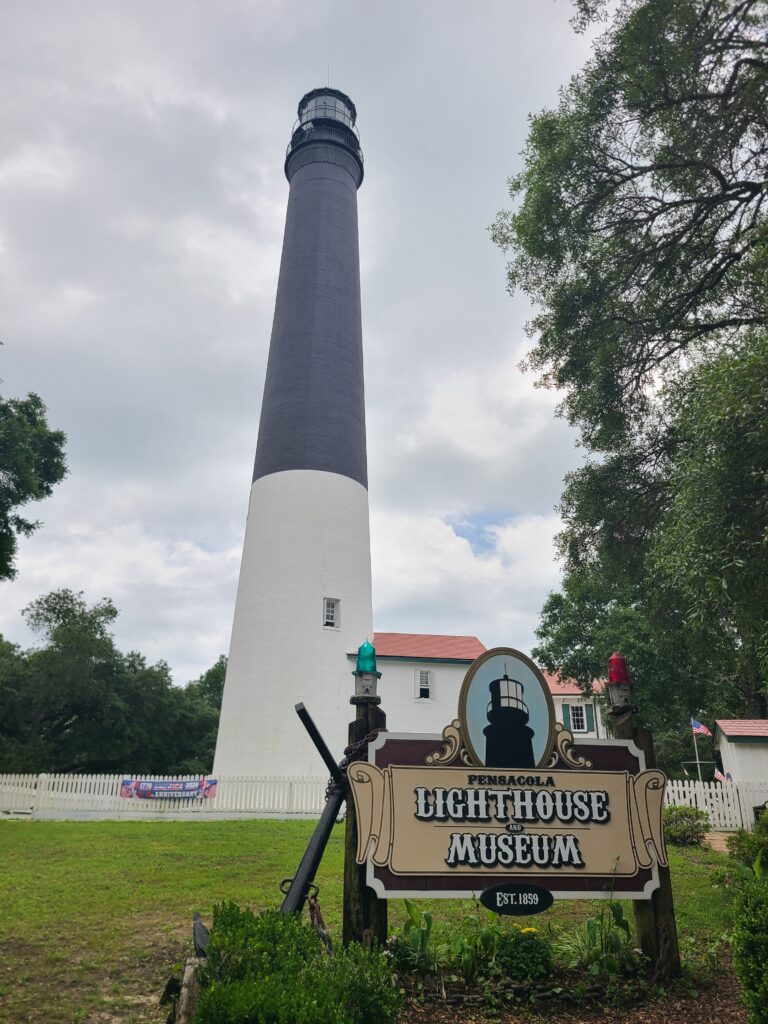
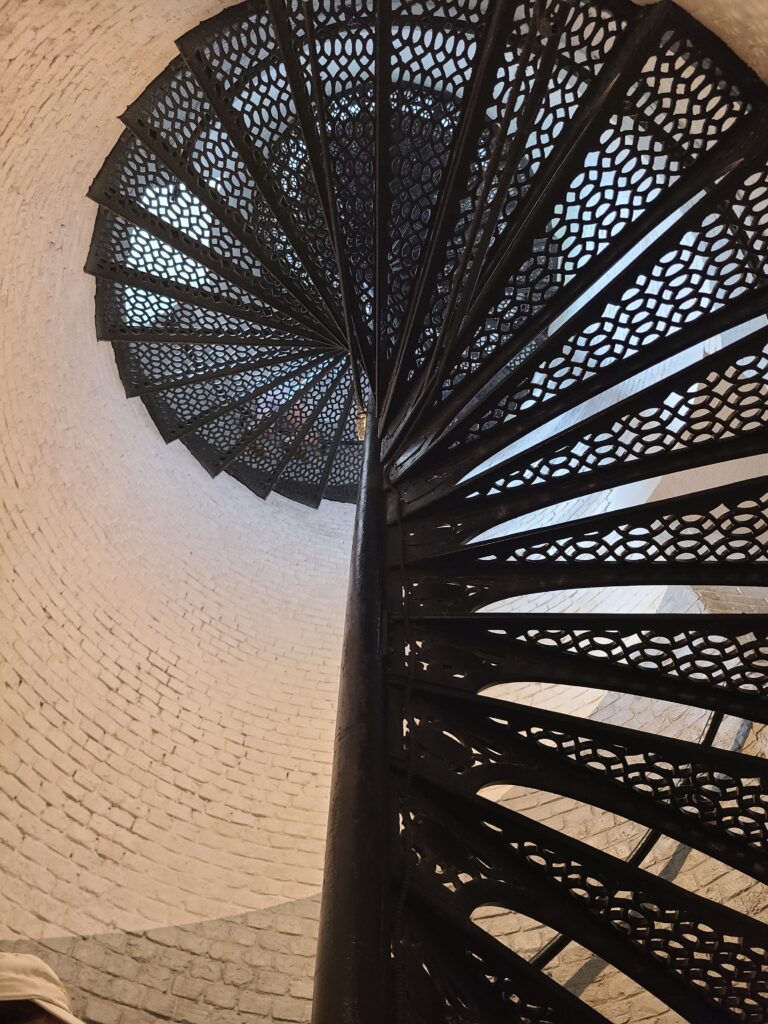
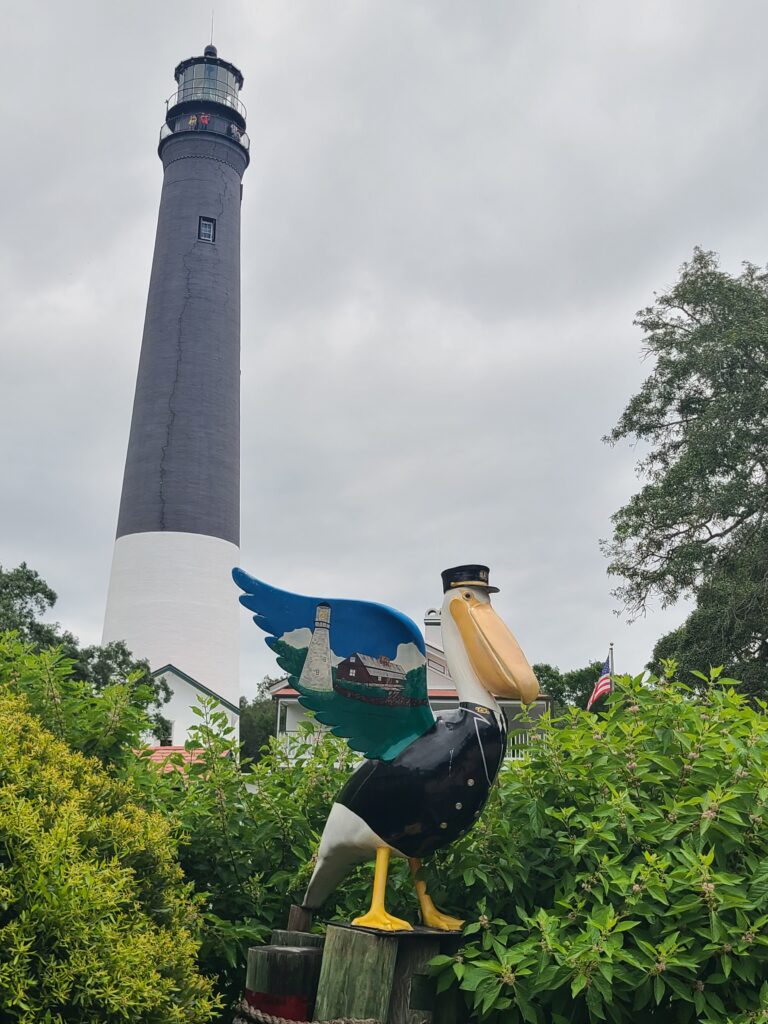
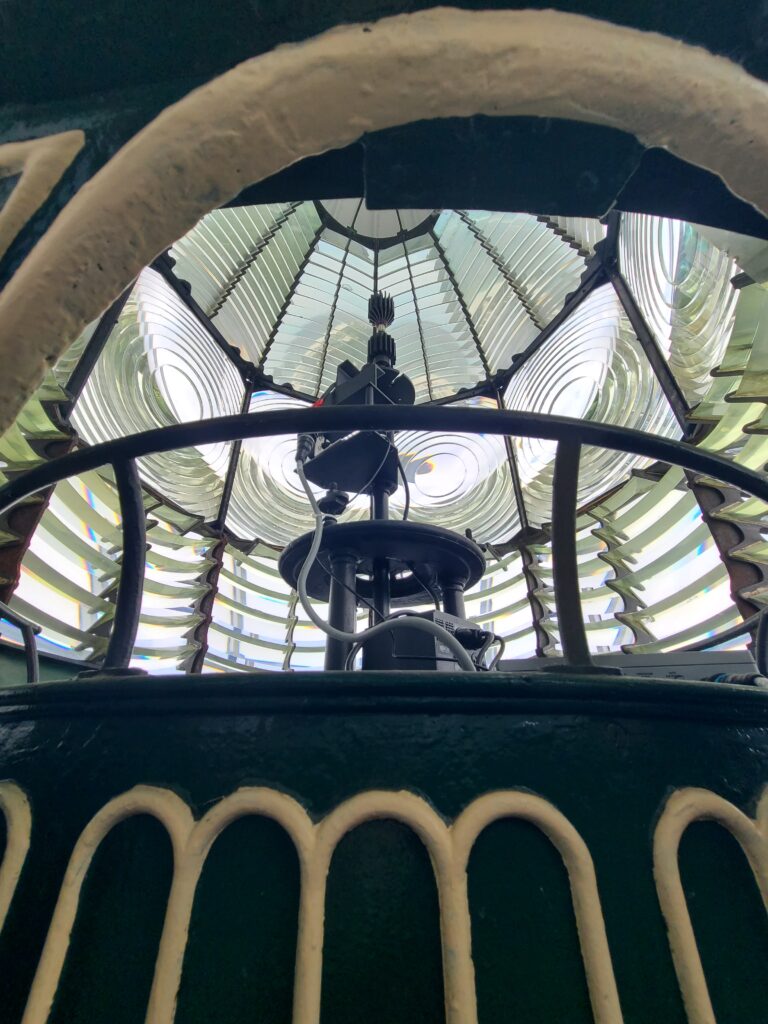
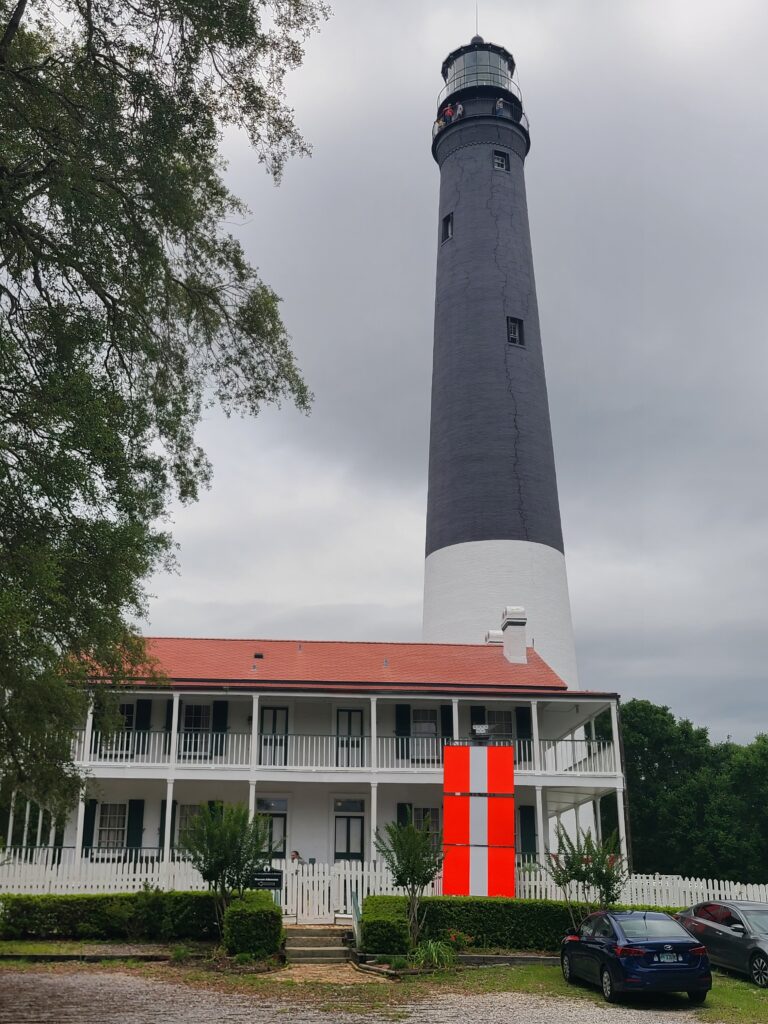
Being able to look out over the Blue Angels practice area from above added another unique perspective to the day. From the top, you really get a sense of just how large the base and surrounding waters are.
The lighthouse itself dates back to 1859 and is still an active aid to navigation today. Walking through the old brick tower and narrow stairways gives you a real sense of the history connected to the Gulf Coast and Naval Aviation in Pensacola.
Fort Barrancas
If you have extra time while visiting NAS Pensacola, make sure to stop by Fort Barrancas, located near the Naval Aviation Museum and Pensacola Lighthouse.
The historic brick fort dates back to the 1800s and once helped defend Pensacola Bay and the Navy Yard below. Walking through the tunnels, brick passageways, and old defensive positions gives you a glimpse into the military history of the area long before modern Naval Aviation existed.
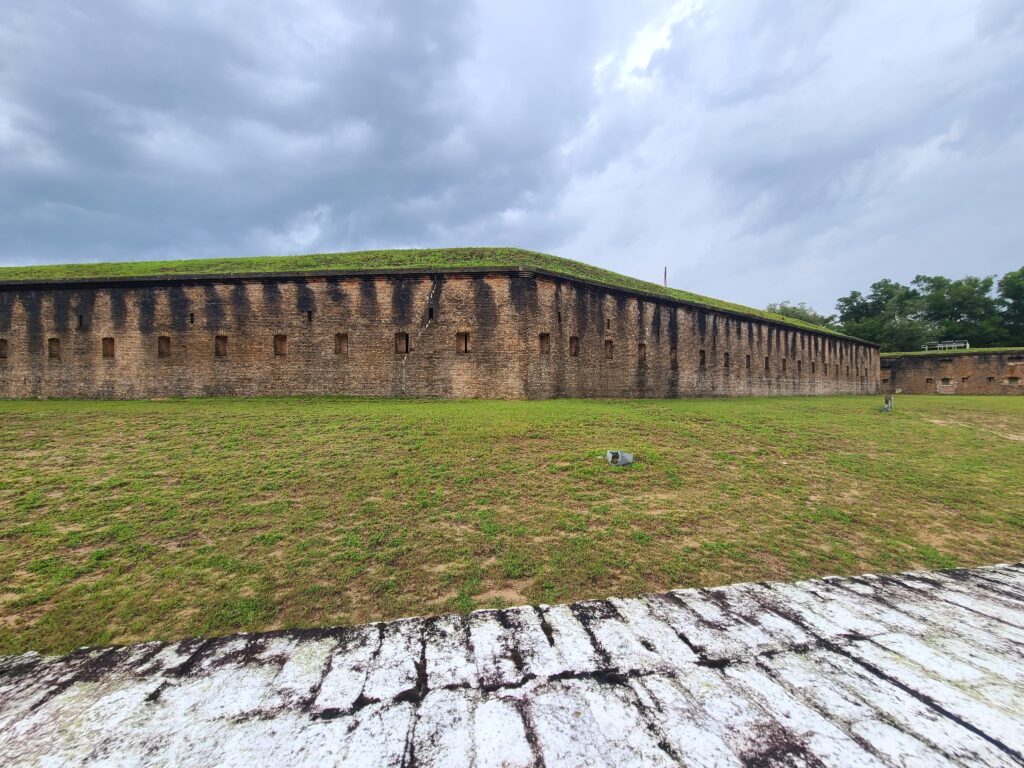
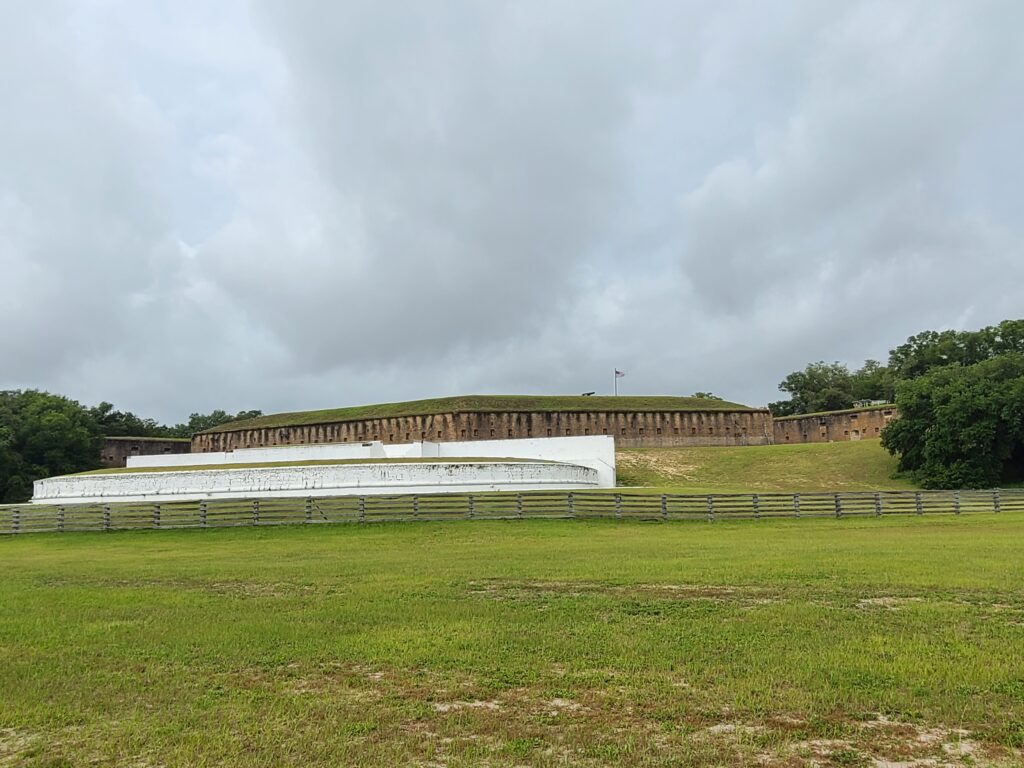
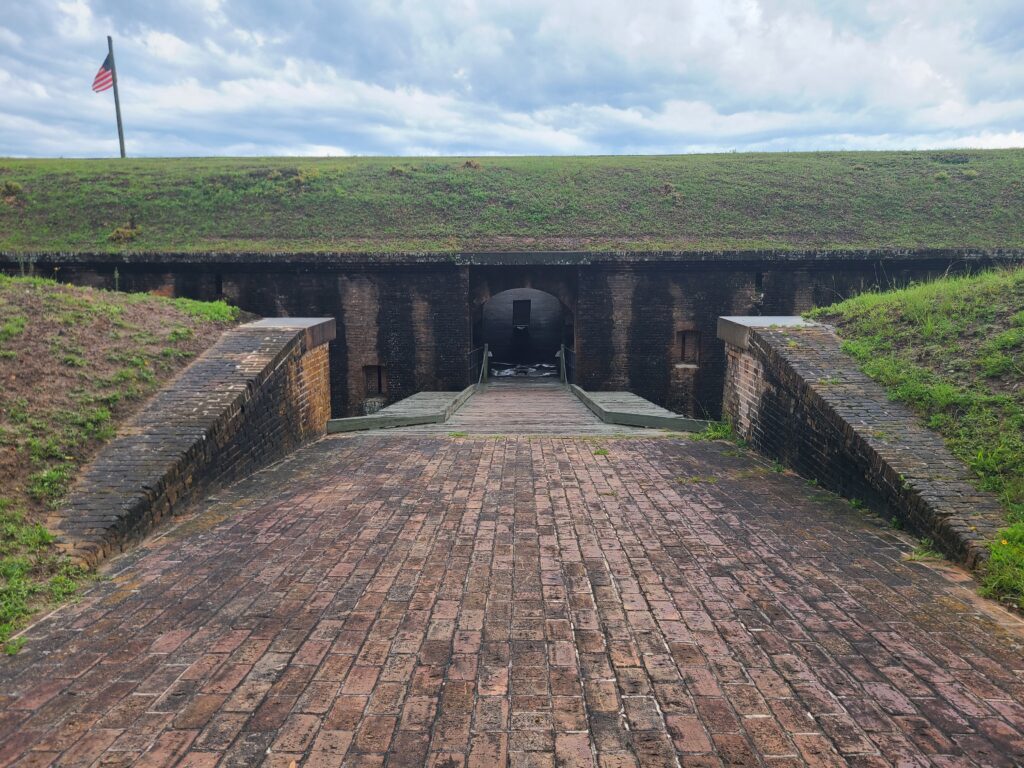
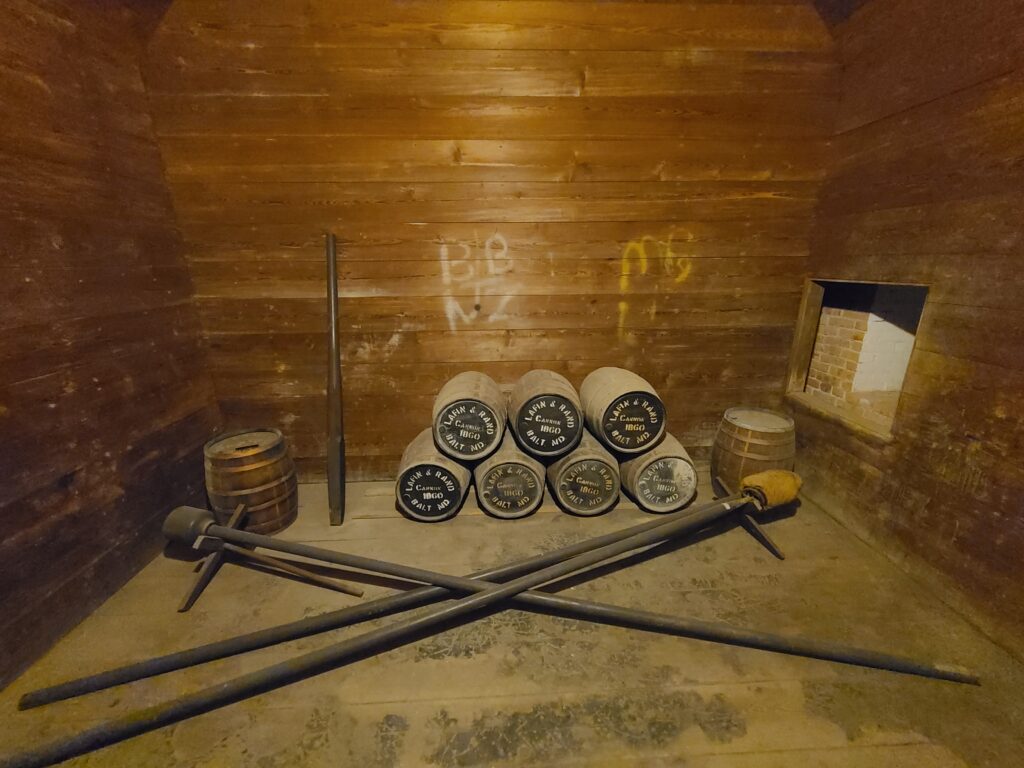
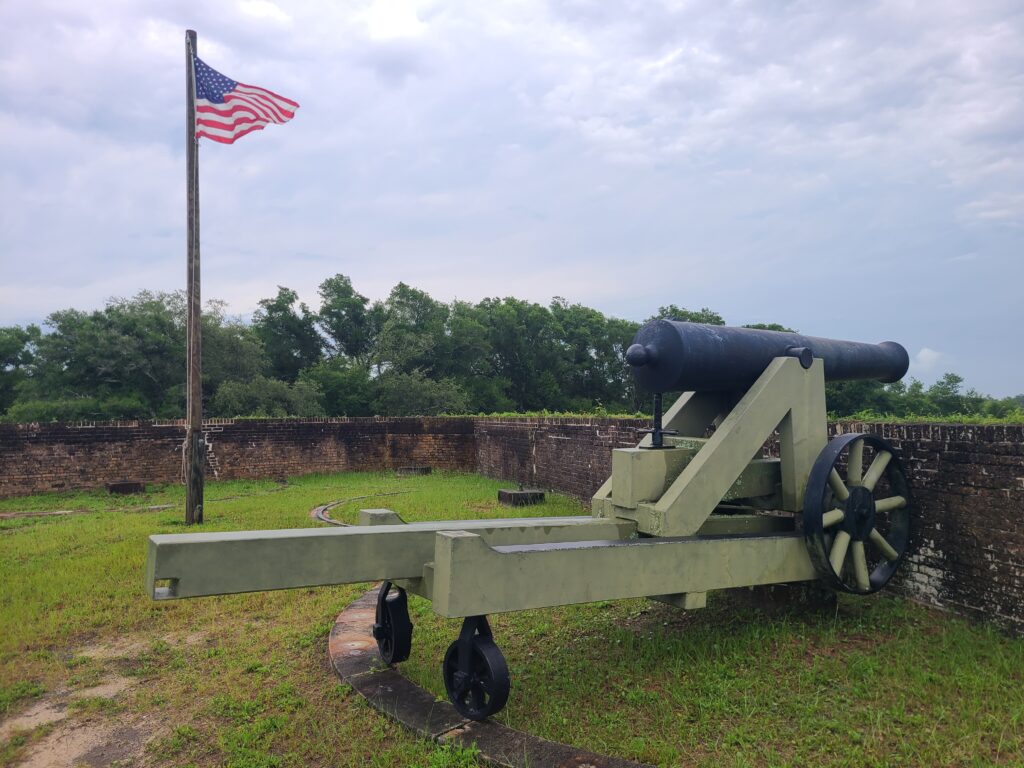
One of the most interesting parts of visiting Fort Barrancas is the elevated location overlooking Pensacola Bay. The views alone are worth the short walk up to the fort.
It also pairs perfectly with the Naval Aviation Museum and Pensacola Lighthouse since all three attractions are located close together aboard NAS Pensacola.
Accessing NAS Pensacola
One thing visitors should know before planning a trip is that the Blue Angels practice, the National Naval Aviation Museum, Pensacola Lighthouse, and Fort Barrancas are all located aboard NAS Pensacola, which is an active military base.
Normally, civilians cannot freely access active military installations, but NAS Pensacola does make an exception for the public areas surrounding these attractions.
Civilian visitors must enter through the west gate to access the museum complex, lighthouse, fort, and Blue Angels practice viewing area. Be prepared to show identification at the gate and expect possible security checks before entering the base.
Know Before You Go
A few things are helpful to know before heading out to NAS Pensacola for Blue Angels practice:
- Civilian visitors must enter through the west gate.
- Be prepared to show a valid government-issued ID at the gate.
- Vehicles may be subject to security inspections before entering the base.
- Gates typically open around 9:00 AM.
- Blue Angels practice typically begins at 10:30 AM and lasts approximately 45–50 minutes, depending on weather and flight conditions.
- Cloud ceilings determine whether the Blue Angels perform the high show or the low show.
- Practices are generally held from spring through fall, though schedules can change throughout the year.
- The weather can affect the Blue Angels’ practice schedule.
- Restrooms, seating, and souvenir areas are available near the viewing area.
- Drones are prohibited aboard NAS Pensacola.
- Arriving early helps with parking and getting a good viewing location.
Even though the practice itself is free, the overall experience feels like attending a full airshow. It is easily one of our favorite free things to do in Pensacola.
Photography Tips for Blue Angels Practice
If you enjoy aviation photography, the NAS Pensacola Blue Angels practice is a fantastic place to shoot aircraft in action.
One thing we quickly learned was that longer lenses work great for formation shots and distant passes, but shorter zoom lenses can actually be better for the sneak pass and some of the close maneuvers directly in front of the crowd.
A few photography tips from our visit:
- Longer lenses are excellent for formation flying and distant shots.
- Shorter zooms work better for close action and the sneak pass.
- Heat shimmer later in the morning can affect image sharpness.
- Faster shutter speeds help freeze the fast-moving jets.
- Bring extra batteries and memory cards because you will probably take far more photos than expected.
Photography alone makes attending the Blue Angels practice schedule worth it for aviation enthusiasts.
What’s In Our Camera Bags
We travel with camera gear that gives us the flexibility to photograph everything from wildlife and landscapes to city attractions and fast-moving aircraft. Here is the camera equipment we currently use and recommend.
Rob’s Camera Bag
Camera:
Nikon Z6II Mirrorless Camera
Everyday Lens:
Nikon Z 24-120mm f/4 S Lens
Travel Superzoom Lens:
Nikon Z 28-400mm f/4-8 Lens
Wildlife and Aviation Lens:
Nikon Z 180-600mm f/5.6-6.3 VR Lens
Our recommended upgrade from the Nikon 200-500mm lens.
Extra Batteries:
Nikon EN-EL15C Batteries
Lisa’s Camera Bag
Camera:
Nikon Z50 Mirrorless Camera
Everyday Travel Lens:
Tamron 18-400mm f/3.5-6.3 Lens
Wildlife and Aviation Lens:
Tamron 150-600mm f/5-6.3 Lens
Extra Batteries:
Nikon EN-EL25a Batteries
Our Favorite Memory Cards
For fast continuous shooting and high-resolution photography, we use Delkin Devices Power 32GB SDHC UHS-II U3/V90 Memory Cards . Their fast write speeds make them especially useful for wildlife, aviation photography, and other fast-moving subjects.
We only recommend camera equipment we personally use or would choose as a direct upgrade. As an Amazon Associate, we may earn from qualifying purchases at no additional cost to you.
Tips for Watching the Blue Angels Practice
A few things we learned during our visit:
- Arrive early. Parking and viewing areas fill up quickly, especially during peak tourist season.
- Bring water and sunscreen. Even morning practices can get hot fast in Florida.
- Expect weather changes. The type of show performed depends heavily on cloud ceilings and visibility.
- Bring hearing protection if loud jet noise bothers you.
- If you enjoy photography, consider bringing different lens options depending on the type of shots you want.
Make the Most of Your Visit to Pensacola
If you’re planning a trip to watch the Blue Angels practice, consider adding one of these highly rated Pensacola experiences to your itinerary. They pair perfectly with a visit to NAS Pensacola and help you experience even more of Florida’s beautiful Gulf Coast.
Continue Exploring Florida’s Panhandle
If you’re spending a few days in the Pensacola area as we did, here are a few more places we enjoyed during our visit.




Together, these attractions make for an excellent military history itinerary while visiting Florida’s Gulf Coast.
Final Thoughts
Even after seeing the Blue Angels many times over the years, it never really gets old. There is still something special about hearing the jets fire up, watching the formations tighten up overhead, and feeling the sound shake the ground beneath you.
This visit gave us a chance to experience both the high show and low show on consecutive days while also spending more time focusing on photography and the overall atmosphere around the practices.
If you are visiting the Pensacola area during practice season, it is absolutely worth taking the time to attend. Between the Blue Angels practice, the National Naval Aviation Museum, climbing the Pensacola Lighthouse, and visiting Fort Barrancas, it makes for one of the best free and low-cost experiences along the Gulf Coast.
Whether you are an aviation enthusiast, military history buff, photographer, or simply looking for something unique to do in Pensacola, spending a morning watching the NAS Pensacola Blue Angels practice is an experience you will likely remember long after the jets disappear over the horizon.
Before You Go…
If watching the Blue Angels practice is on your bucket list, I hope this guide helps you make the most of your visit to NAS Pensacola. It was one of the highlights of our time on the Gulf Coast, and experiencing both the high show and low show only made us appreciate the skill and precision of the team even more.
While you’re in the area, don’t stop with the Blue Angels. Take time to explore the National Naval Aviation Museum, climb the Pensacola Lighthouse, visit Fort Barrancas, and enjoy everything else Pensacola has to offer.
If you found this guide helpful, be sure to check out our other campground reviews, destination guides, and travel tips from across the country. We’re always sharing honest experiences, practical advice, and photography to help you plan your next adventure.
Safe travels, and maybe we’ll see you somewhere down the road!
What interesting places can you recommend?
We’re always on the lookout for unique, out-of-the-way experiences to add to our list.
Thanks for taking the time to read our article!
If you have any questions or comments, we’d love to hear from you in the section below.