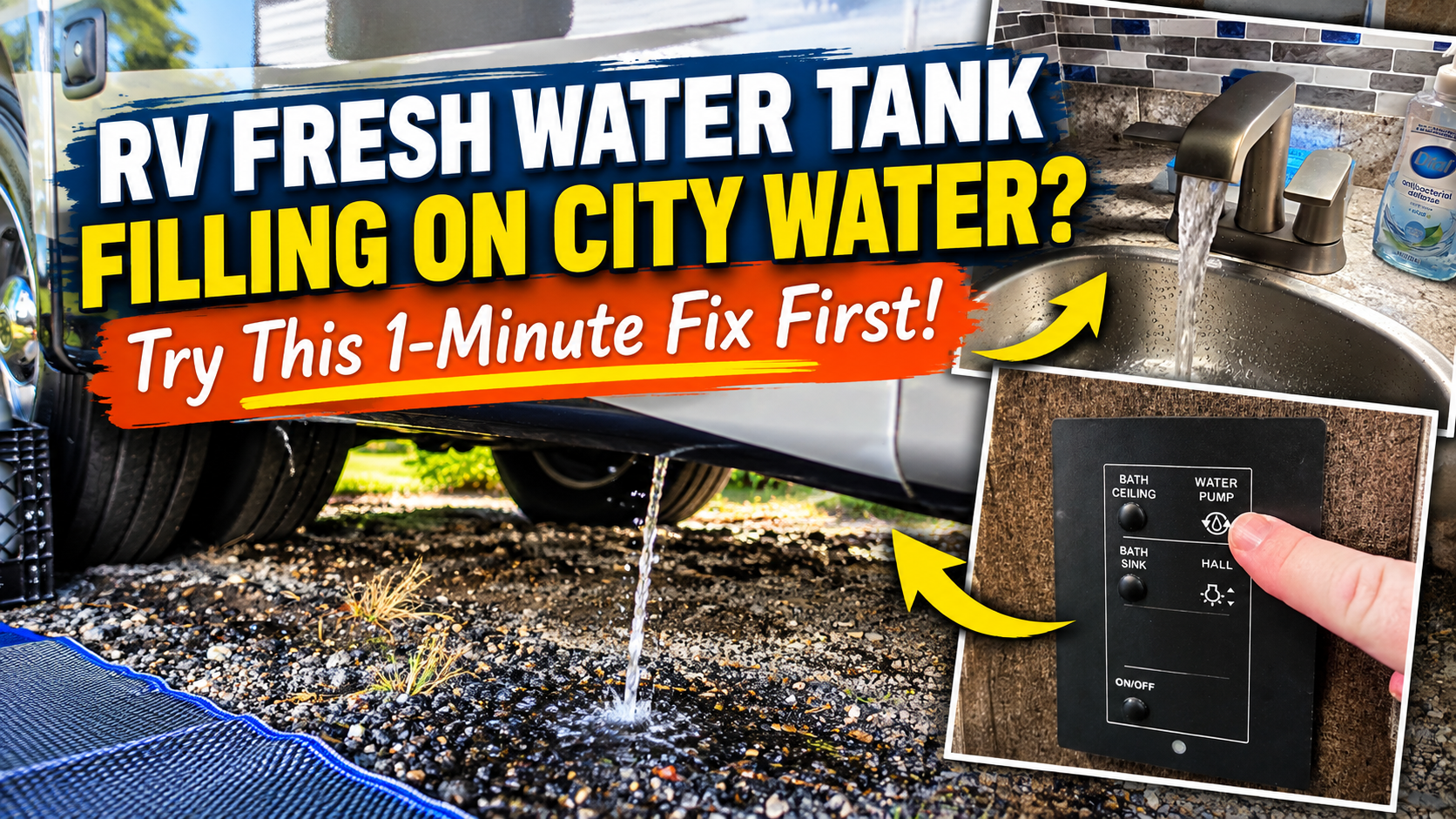
RV fresh water tank filling on city water is a problem that confuses a lot of RV owners.
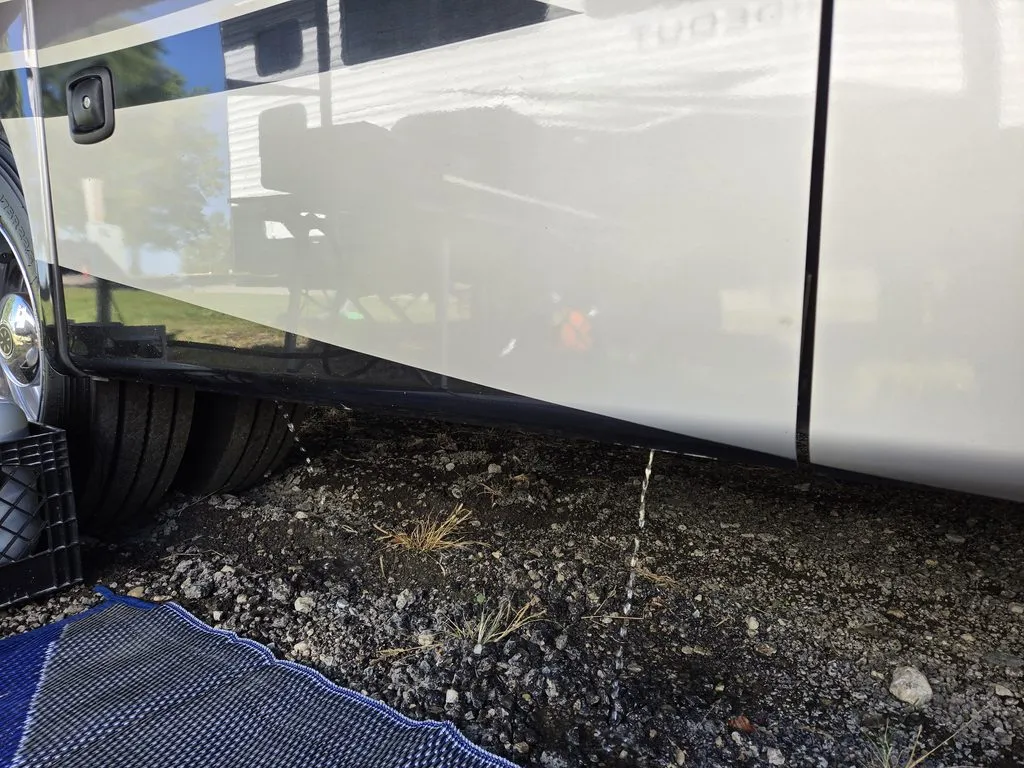
You hook up to campground water expecting to use the park’s water supply, but before long, you notice your fresh water tank level rising. In some cases, you don’t realize what’s happening until water starts pouring out of the fresh tank overflow underneath the RV.
A lot of RV owners immediately assume something has failed and start looking at replacing the water pump, check valve, or other plumbing components.
Before you start replacing parts, try this simple fix.
After more than seven years of full-time RV living, we’ve had this happen to us a couple of times a year. So far, we’ve been able to fix it every time in about a minute without replacing a single part.
- Why Is My RV Fresh Water Tank Filling on City Water?
- Try This Before Replacing Your RV Water Pump
- How Do You Know if the Check Valve Is the Problem?
- What if the Quick Fix Doesn’t Work?
- Don’t Ignore an Overfilling Fresh Water Tank
- Can a Water Filter Help Prevent This?
- More RV Maintenance Tips
- Final Thoughts
- Have You Had Your RV Fresh Water Tank Filling on City Water?
This post contains affiliate links. As a participant in Amazon Associates and various affiliate programs, we are compensated when qualifying purchases are made through our referral links at no additional cost to you. Full Disclosure
Why Is My RV Fresh Water Tank Filling on City Water?
One of the most common causes is a water pump check valve that isn’t sealing completely.
Your RV water pump has an internal check valve designed to keep pressurized city water from flowing backward through the pump and into your freshwater tank.
If a small piece of debris gets caught in that valve, it may not close completely.
Instead of all the campground water remaining on the pressurized side of your RV plumbing system, some of it can slowly work its way backward through the pump and into the freshwater tank.
Depending on how badly the valve is leaking, the tank may fill slowly over several hours or eventually become full enough that water starts coming out of the tank’s overflow.
Fortunately, a check valve that isn’t sealing doesn’t necessarily mean it needs to be replaced.
Sometimes it just needs to be cycled a few times.
Try This Before Replacing Your RV Water Pump
If your RV fresh water tank is filling on city water, try cycling the water pump before assuming the pump needs to be replaced.
We’ve seen plenty of troubleshooting advice that jumps pretty quickly to replacing the pump, replacing the check valve, or installing another check valve in the water line.
Those may eventually be necessary.
But they certainly wouldn’t be our first move.
Whenever we’ve had our fresh water tank start filling while connected to city water, this is what we’ve done.
Before replacing your water pump or check valve, try this simple trick:
- Stay connected to city water.
- Turn on a faucet and let the water run.
- While the water is running, turn on your RV water pump.
- Let it run for about one minute.
- Turn the water pump off.
- Turn off the faucet and monitor your fresh water tank.
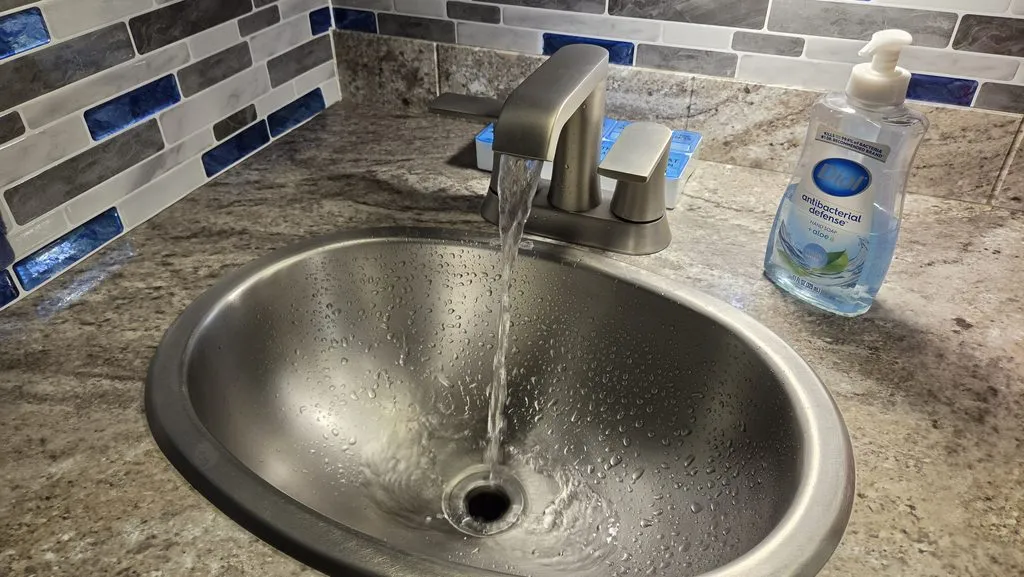
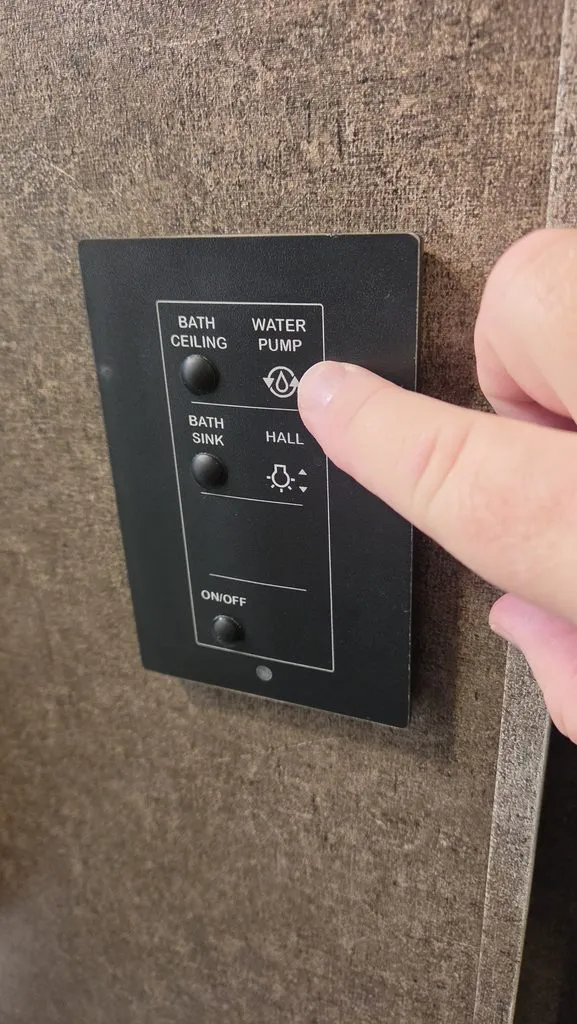
Running water while briefly operating the pump causes the pump and its internal check valve to cycle. If a small piece of debris is keeping the valve from seating properly, this can help flush it out and allow the valve to seal again.
That’s why we’d absolutely try this before buying a new water pump or tearing apart the RV plumbing system.
How Do You Know if the Check Valve Is the Problem?
A leaking or stuck water pump check valve can cause several noticeable symptoms:
- Your freshwater tank slowly fills while you’re connected to city water.
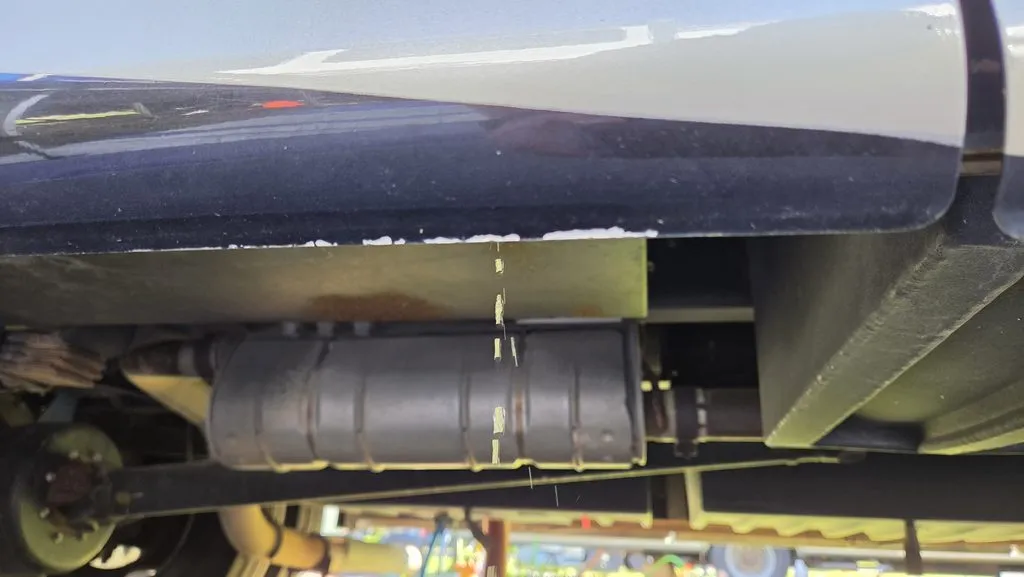
- Water eventually comes out of the fresh tank overflow or vent.
- The freshwater tank level rises even though you’re not intentionally filling it.
- Your water pump is turned off while the tank continues filling.
- Cycling the water pump temporarily or completely stops the problem.
If your RV has these symptoms, the pump’s internal check valve is one of the first things worth investigating.
What if the Quick Fix Doesn’t Work?
If you’ve tried cycling the pump and your freshwater tank continues filling, it’s time to do a little more troubleshooting.
There are a few other possibilities.
The Water Pump Check Valve May Be Worn or Damaged
Sometimes the check valve isn’t dirty—it has really failed.
If the valve can no longer seal, city water can continue flowing backward through the pump and into the freshwater tank.
Depending on your pump and plumbing setup, you may be able to replace or service the check valve, replace the water pump, or add an appropriate inline check valve.
Before replacing the entire pump, check whether replacement parts are available for your particular model.
If you’ve tried clearing the check valve and determined that your water pump really does need to be replaced, the SHURFLO 4048 12V RV Water Pump is one option worth considering.
As an Amazon Associate, we earn from qualifying purchases.
Check Your City Water/Tank Fill Selector Valve
Some RVs use a selector valve or water management panel that directs incoming water between different functions.
Depending on the RV, the settings might include:
- City water
- Fresh tank fill
- Normal/use
- Winterize
- Sanitize
If one of these valves isn’t completely in the correct position—or the valve has failed internally—city water may be diverted into the freshwater tank.
If your RV has this type of system, verify the valve positions before assuming the water pump is responsible.
Check for a Separate Tank-Fill Valve
Some RV plumbing systems have a dedicated valve that allows city water to fill the freshwater tank.
If that valve isn’t fully closed or its internal seals are damaged, water can slowly leak past it and fill the tank.
The exact plumbing arrangement varies considerably between RV manufacturers and models, so it’s worth understanding how your particular RV’s fresh water system is configured.
Don’t Ignore an Overfilling Fresh Water Tank
If you notice your freshwater tank filling unexpectedly, don’t just let it continue indefinitely.
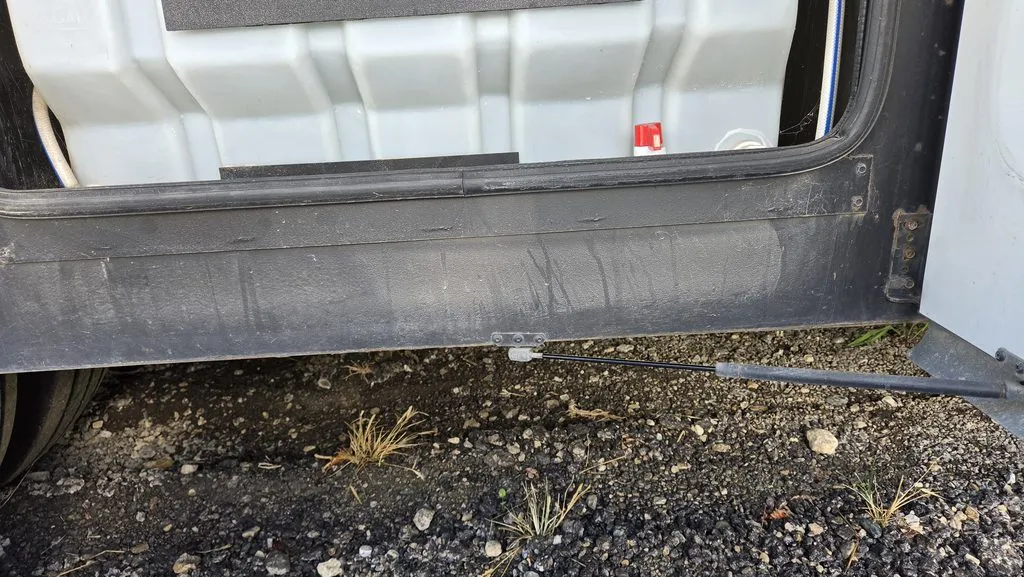
Most RV freshwater tanks have an overflow or vent that allows excess water to escape, but allowing the tank to continually overfill wastes water and can create a mess underneath your RV.
More importantly, you don’t want unnecessary pressure or weight being placed on the tank, mounting straps, fittings, or surrounding components.
Once you notice the tank filling when it shouldn’t be, shut off the campground water if necessary while you troubleshoot the problem.
Can a Water Filter Help Prevent This?
A good RV water filtration system can help reduce the amount of sediment and debris entering your plumbing.
We always recommend using filtration when connecting an RV to campground water—especially because campground water quality can vary dramatically from one location to another.
Two RV Water Filtration Options
From a simple inline filter to a comprehensive three-stage filtration system.
Camco Inline RV Water Filter
If you’re looking for an easy way to add basic filtration to your campground water hookup, a Camco inline filter is inexpensive, compact, and simple to connect between the campground spigot and your potable water hose.
RV Water Filter Store Extreme Clean 3 Stage System
After years of full-time RVing and dealing with inconsistent campground water quality, we decided to upgrade to the Extreme Clean 3 Stage System from RV Water Filter Store. This system combines Virus Hero filtration, carbon block filtration, and treatment for heavy metals and scale to provide more comprehensive filtration than a basic inline filter.
It’s designed to reduce a broad range of contaminants, including bacteria, while also addressing sediment, heavy metals, and mineral scale. For full-time RVers who regularly connect to different campground water supplies, it’s a substantial upgrade in water filtration.
As an Amazon Associate, we earn from qualifying purchases.
For occasional camping, a simple inline RV water filter may be all you need. Full-time RVers or anyone regularly dealing with sediment, rust, hard water, or questionable campground water may want to consider a larger multi-stage filtration system.
A water pressure regulator is also an important part of an RV water setup, although its primary purpose is protecting your RV plumbing from excessive campground water pressure rather than filtering debris.
A typical campground hookup might look like:
Campground Spigot → Pressure Regulator → Water Filter → Potable Water Hose → RV
Even with good filtration, however, tiny particles can occasionally make their way through the system.
That’s one reason knowing this little water-pump trick can come in handy.
More RV Maintenance Tips
While troubleshooting your RV water system, you might also find these guides helpful:
- RV Surge Protection – Protect Your Investment
- Repairing RV Manufacturers’ Shoddy Work – Step Repair
- How to Fix an RV Crank-Out Window When the Arm Comes Unglued
Preventative maintenance can save a lot of frustration on the road.
Final Thoughts
The next time you notice your RV fresh water tank filling on city water, try this simple fix before buying replacement parts.
Start with the easy stuff.
Turn on a faucet, turn on the water pump, let the water run for about a minute, then shut the pump back off.
If debris is preventing the pump’s internal check valve from sealing, cycling it may be all that’s needed to clear the problem.
We’ve dealt with this issue multiple times during more than seven years of full-time RV living, and this simple trick has worked for us every time.
It takes about a minute, costs absolutely nothing, and could save you from replacing a perfectly good water pump.
That’s definitely worth trying first.
Have You Had Your RV Fresh Water Tank Filling on City Water?
Have you ever walked outside and discovered water pouring from your RV’s freshwater tank overflow even though you weren’t filling the tank?
What ended up causing it?
Let us know in the comments. One of the best things about the RV community is how many little fixes get passed from one RVer to another—and your solution might save someone else a lot of troubleshooting.