Buying an RV is exciting. It represents freedom, adventure, and the chance to wake up to a different view whenever you feel like turning the key. But once the paperwork is signed and the rig is sitting in your driveway, reality hits pretty quickly — what do you actually need to take on your first trip?
Most new RV owners make the same mistake. They either buy far too much gear they’ll never use, or they head out without a few simple essentials that can turn setup at the campground into a stressful experience. Hookups don’t go smoothly, power issues pop up, or something as basic as leveling the RV becomes frustrating. It doesn’t take much to go from excited to overwhelmed.
The good news is you don’t need a truckload of gadgets to enjoy RV life. What you do need are a handful of practical accessories that make camping easier, safer, and far more comfortable. The right gear helps you set up quickly, protect your RV systems, relax at your campsite, and handle the small problems that inevitably come up on the road.
In this guide, you’ll find essential RV accessories that are genuinely useful for beginners. These are items that help prevent common first-trip mistakes and make your transition into RV travel smoother from day one. Whether you’re planning a weekend getaway or preparing for a longer adventure, having these must-have accessories on board will give you confidence when you roll into that first campground.
If you’d like to see a full list of the equipment we personally use and recommend, you can visit our complete RV gear we use guide.
Let’s start with the gear that makes hookups simple and stress-free.
- Essential RV Hookup Gear (What You Need to Set Up at a Campsite)
- Sewer and Waste Accessories
- Fresh Water Setup Essentials
- Electrical Hookup Must-Haves
- RV Stabilization Gear
- Campsite Comfort and Outdoor Living Gear
- Essential RV Safety Accessories
- RV Monitoring and Tech Gear
- Basic RV Tool Kit Every Owner Should Carry
- Additional RV Accessories That Make Life Easier
- Other Helpful RV Accessories
- Building Your Essential RV Setup
- Common Mistakes New RVers Make When Buying Accessories
- Frequently Asked Questions About Essential RV Accessories
- Final Thoughts on Essential RV Accessories
This post contains affiliate links. As a participant in Amazon Associates and various affiliate programs, we are compensated when qualifying purchases are made through our referral links at no additional cost to you. Full Disclosure
Essential RV Hookup Gear (What You Need to Set Up at a Campsite)
For most new RVers, the first time pulling into a campground and connecting to utilities is where the learning curve really begins. Water, sewer, and electrical hookups are simple once you’ve done them a few times, but showing up without the right gear can quickly turn setup into a frustrating experience.
Having the proper hookup accessories on board helps you get parked, connected, and relaxing much faster. These are the items that protect your RV systems, prevent messy situations, and make campground setup far less stressful.
You can also explore our full list of recommended equipment in our RV gear we use guide.
Sewer and Waste Accessories
Sewer Hose Kit with Clear Elbow
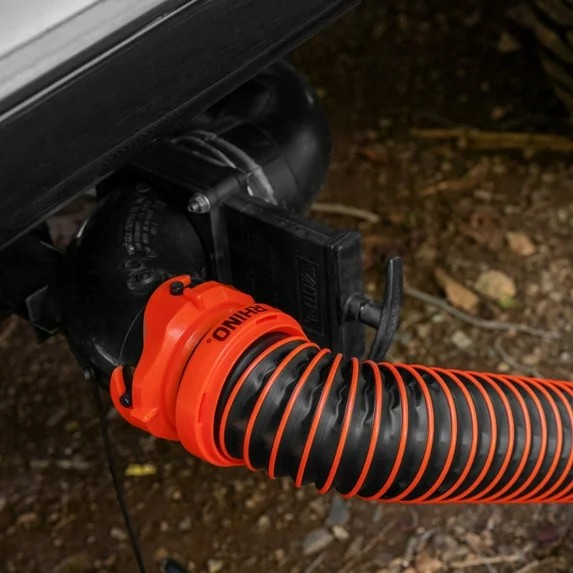
A good sewer hose kit is one of the most important purchases you’ll make. Look for a durable hose that resists leaks and crushing. A clear elbow fitting allows you to see when your tanks are fully rinsed during dumping, which helps prevent odors and buildup over time.
When we first started RVing, we made the mistake of buying an inexpensive plastic sewer hose kit. It worked fine at first, but after about six months of full-time travel, the hose began to show wear and eventually failed. Constant setup, breakdown, and exposure to the elements can be tough on cheaper hoses. After upgrading to a heavier-duty hose designed for full-time use, the difference in durability and ease of use was noticeable right away. Spending a little more up front can help you avoid messy problems later.
The Camco Rhino RV Sewer Adapter PRO clear elbow is a simple accessory that makes dumping your tanks much easier and cleaner. The transparent elbow allows you to see when waste has fully flushed from the hose, helping you rinse thoroughly and avoid buildup or lingering odors.
Its secure drain lock fitting helps create a tight connection at the campground sewer inlet, reducing the chance of leaks or messy surprises during the dumping process. For new RVers, this small upgrade can add confidence and make one of the least enjoyable parts of RVing much more manageable.
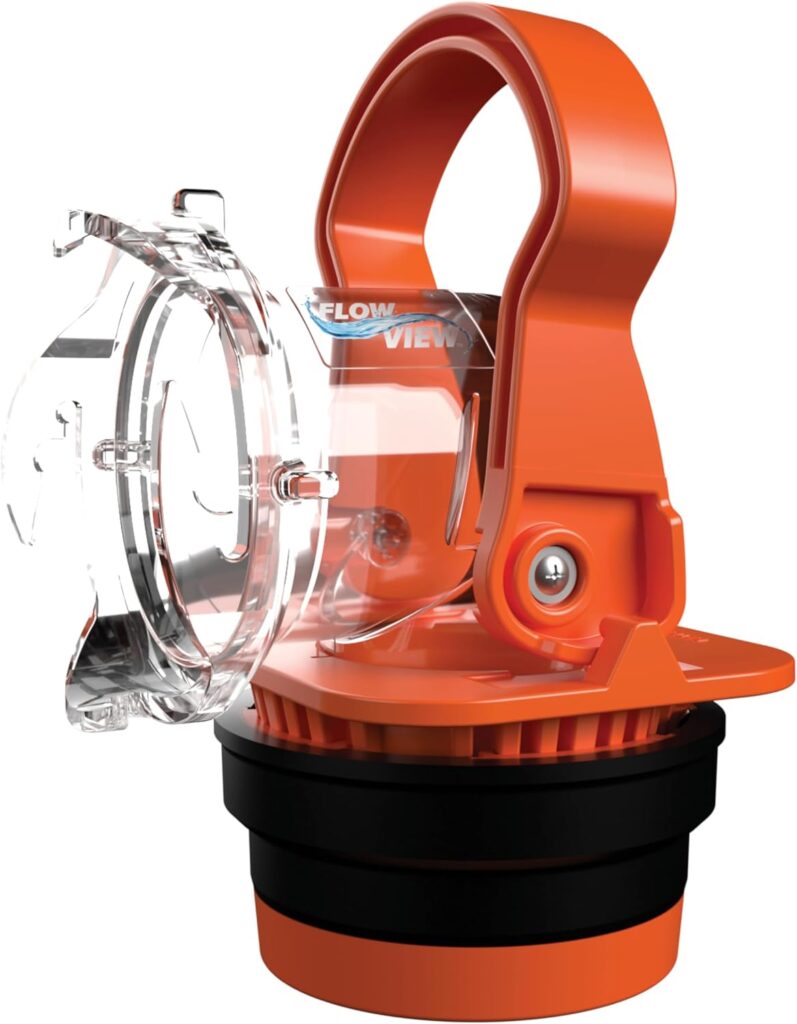
We typically carry both a 10-foot and a 15-foot sewer hose to handle most campsite layouts. You can read more about our sewer hose setup and what we recommend here.
Sewer Hose Support
A sewer hose support helps keep the hose elevated and properly sloped toward the dump station so waste flows more efficiently. Many campgrounds require one, and it also helps prevent low spots in the hose where waste can collect. We use the Camco Sidewinder Sewer Hose Support, which is lightweight, easy to position, and folds down for storage.
Tank Treatment Chemicals
Tank treatment chemicals help control odors and assist in breaking down waste and toilet paper inside your holding tanks. Using them regularly can help keep tank sensors cleaner and make the dumping process more pleasant, especially during longer trips. We’ve had good results using Happy Campers RV Toilet Treatment, which is easy to use, long-lasting, and helps keep unwanted odors under control.
Beginner tip: Keep disposable gloves and a dedicated storage container for sewer gear to keep everything sanitary and organized.
Fresh Water Setup Essentials
Drinking-Water Safe Hose
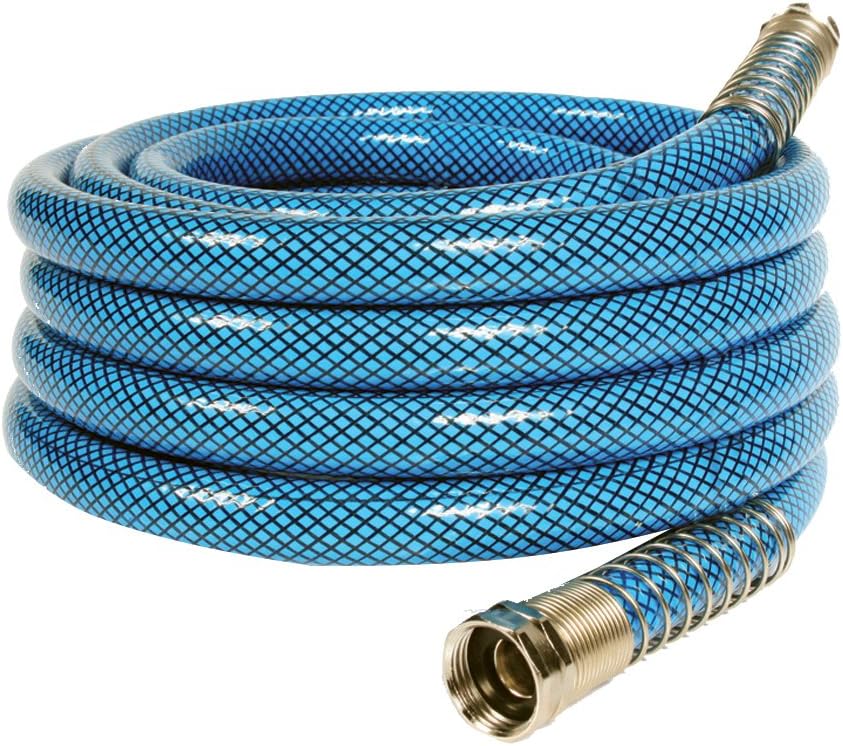
A potable water hose is essential for connecting your RV to campground water safely. Standard garden hoses can leave an unpleasant taste and may not be designed for drinking water use. A hose specifically rated for potable water helps protect your fresh water system and improves overall water quality.
We use the Camco TastePURE premium drinking water hose because it is durable, flexible, and designed for consistent use on the road. Having a reliable water hose makes campground setup easier and helps ensure you always have safe, clean water available during your travels.
Water Pressure Regulator
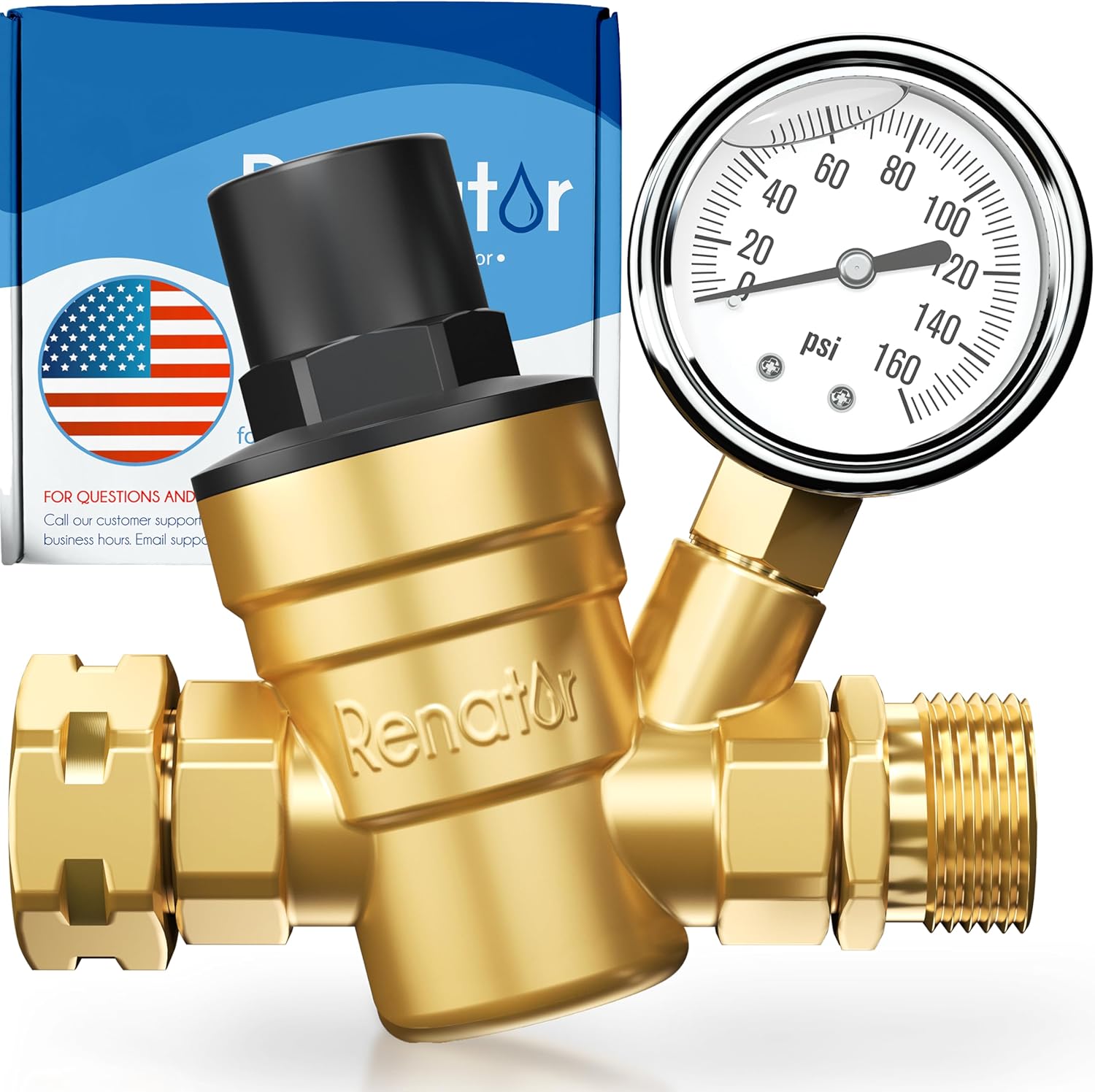
Campground water pressure can vary widely from one location to another, and excessive pressure can damage your RV plumbing system. A water pressure regulator helps maintain safe, consistent water flow and can prevent leaks, blown fittings, and costly repairs.
We use an adjustable regulator so we can fine-tune water pressure based on campground conditions. This provides added peace of mind when connecting to unfamiliar water systems and helps protect the RV’s internal plumbing over the long term.
Inline Water Filter
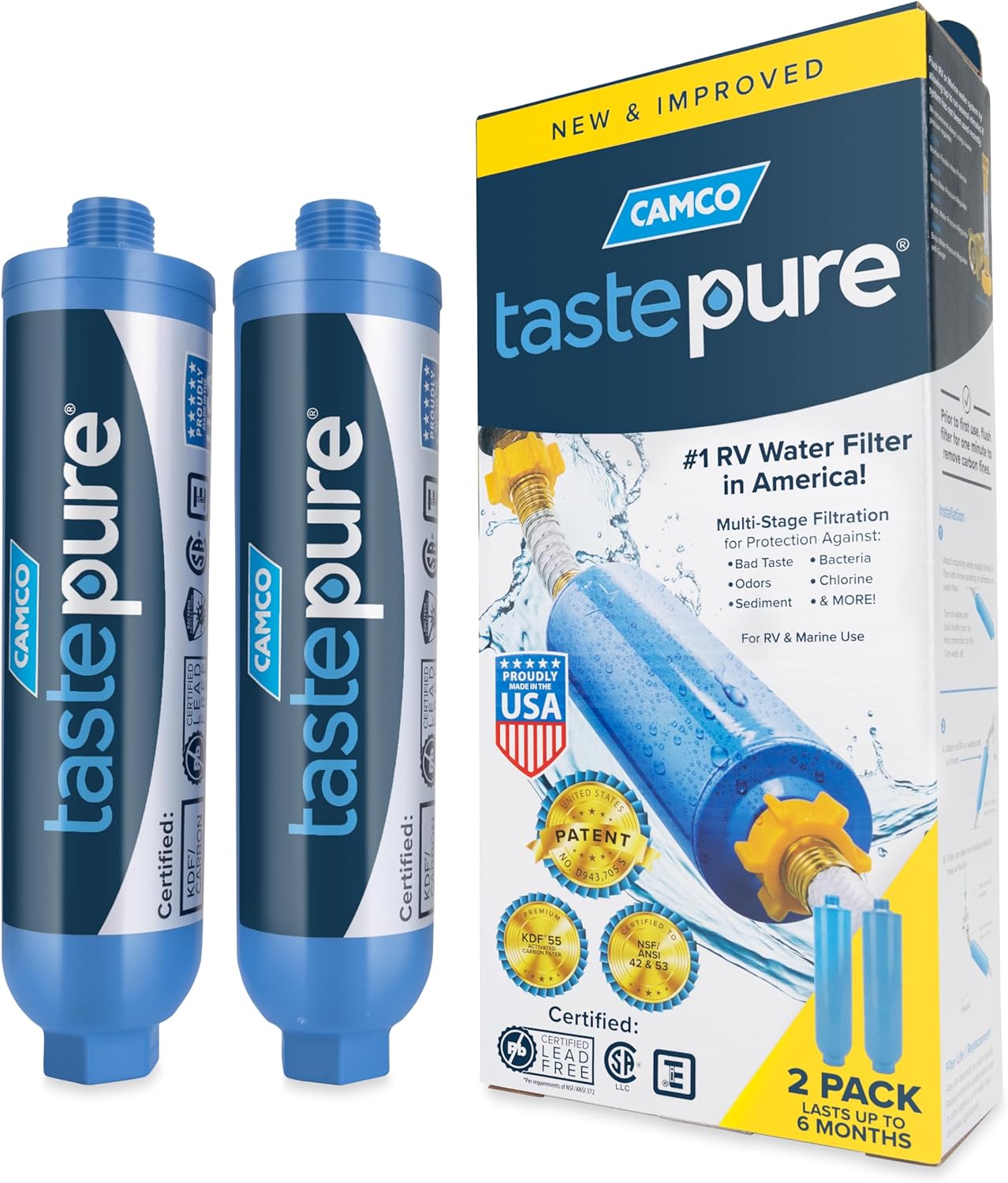
An inline water filter helps improve the taste and quality of campground water by reducing sediment, chlorine, and other common impurities. It’s an inexpensive accessory that can make a noticeable difference when using unfamiliar water sources.
We use the Camco Tastepure filter as part of our normal hookup routine. It connects easily between the campground spigot and our drinking water hose, helping provide cleaner, better-tasting water throughout our travels.
Hose Splitter or Y-Connector
A hose splitter allows you to run multiple water lines from a single campground spigot, which can be very convenient during setup. It makes it easy to connect your RV’s drinking water hose while still having a second outlet available for rinsing gear, washing muddy shoes, or filling buckets. We use the Biswing Garden Hose Splitter because it is solidly built, easy to operate, and helps simplify our water hookup routine.
Spare Hose Washers and Fittings
Small items like hose washers are easy to overlook, but they can save a lot of frustration when setting up at a campground. A worn or missing washer is one of the most common causes of annoying water leaks at the spigot or hose connections. Keeping a small assortment on board makes it easy to fix minor drips quickly without searching for a hardware store. We carry a simple set of hose washers and fittings as part of our basic hookup kit, so we’re always prepared.
Electrical Hookup Must-Haves
Surge Protector or Electrical Management System (EMS)
A basic surge protector can help shield your RV from sudden power spikes at the campground pedestal. However, for more complete protection, many RVers choose an Electrical Management System (EMS). An EMS continuously monitors incoming power and will shut it down if it detects unsafe conditions such as high or low voltage, wiring faults, or grounding problems. This added level of protection can help prevent damage to sensitive electronics, air conditioners, and other appliances inside your RV.
Campground power can be inconsistent, especially in older parks or during periods of heavy electrical demand. A surge protector helps protect your RV from damaging power spikes, wiring faults, and unsafe voltage conditions that could affect appliances and onboard electronics.
We use the Southwire Surge Guard portable 50-amp unit with our motorhome because it provides reliable protection and simple plug-and-play operation at the campground pedestal. If your RV uses 30-amp service, be sure to choose a surge protector designed for that electrical system.
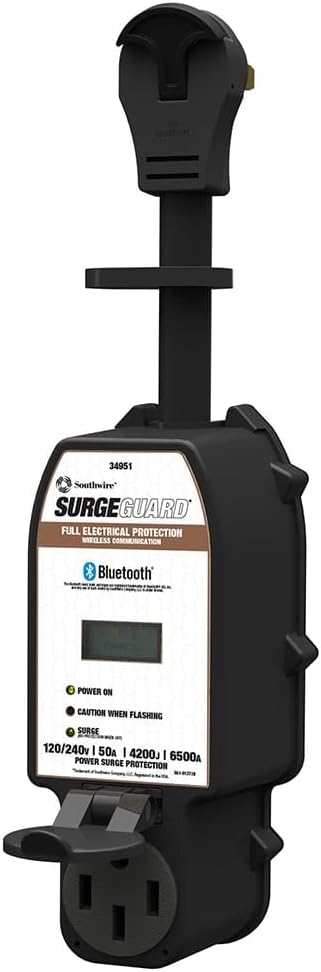
After traveling to many different campgrounds over the years, we’ve seen firsthand how inconsistent campground power can be. Older parks in particular may have wiring issues or voltage fluctuations, especially during peak usage in hot weather. Using an EMS provides peace of mind knowing your RV is protected before you even plug in and start running appliances. It’s one of those accessories that may not seem exciting, but it can save you from very expensive repairs.
Quick Power Pedestal Checklist for New RVers
- Turn the campground breaker OFF before plugging in
- Inspect the outlet for burn marks, corrosion, or loose connections
- Make sure the outlet matches your RV’s 30-amp or 50-amp requirement
- Plug in your surge protector or EMS first, then connect your RV power cord
- Turn the breaker ON after everything is securely connected
- Verify power inside the RV before running high-demand appliances
RV Stabilization Gear
Leveling Blocks
Leveling blocks help compensate for uneven campsites. Proper leveling improves refrigerator operation, sleeping comfort, and overall livability.
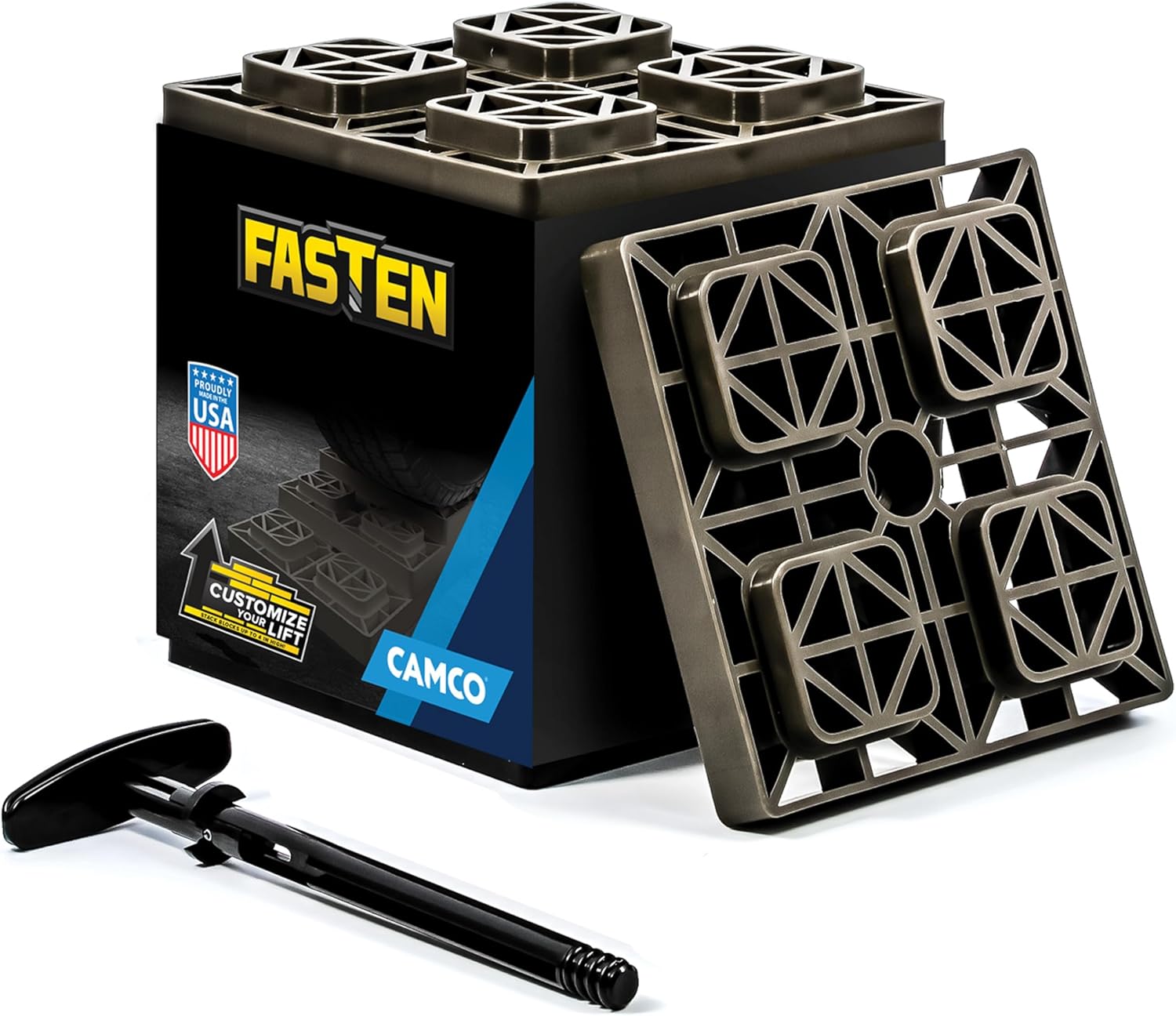
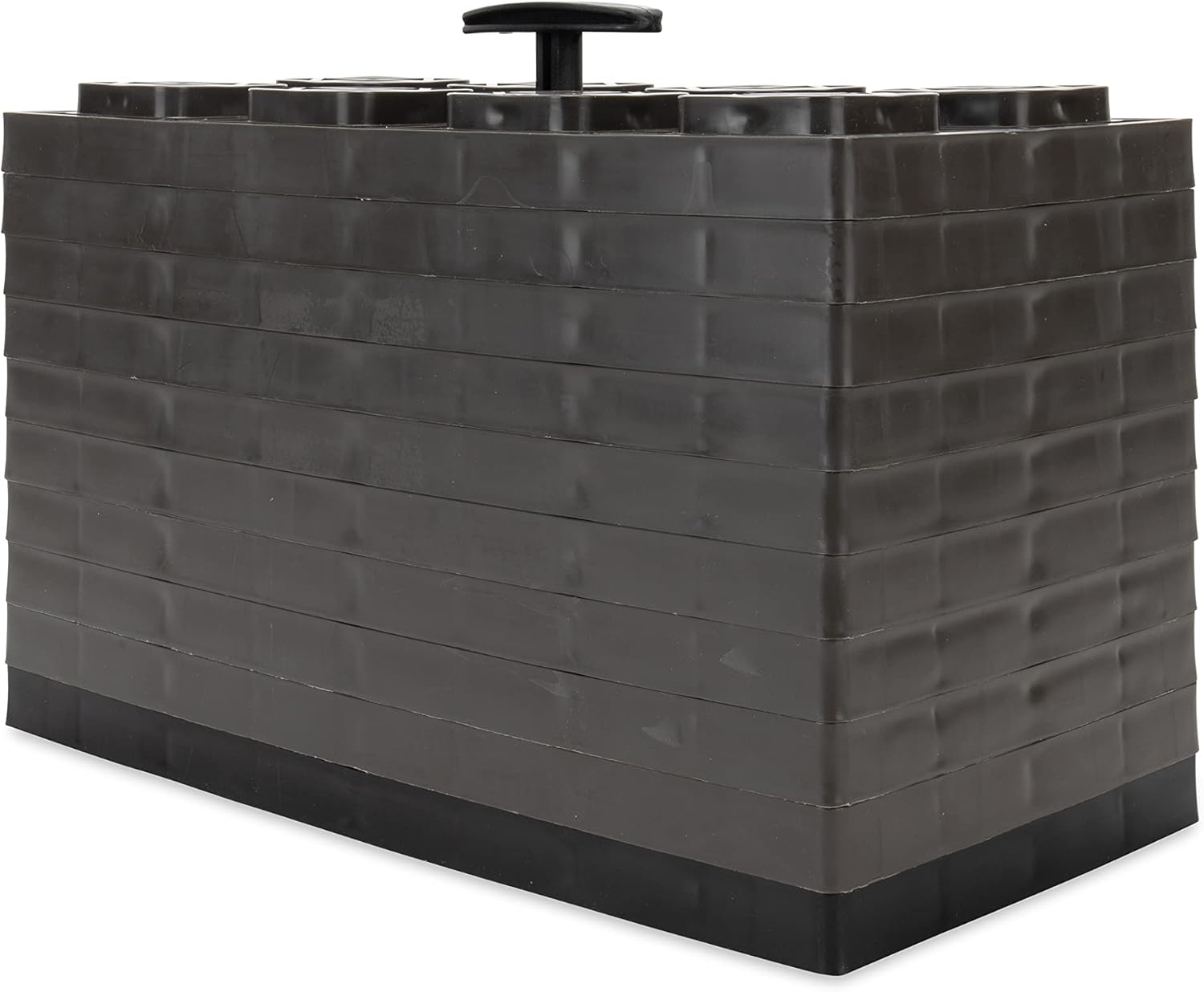
Leveling blocks help compensate for uneven campsites and are essential for improving comfort and proper appliance operation inside your RV. A level RV allows refrigerators to function correctly, helps holding tanks drain more efficiently, and makes sleeping much more comfortable.
We travel with three sets of Camco Fasten leveling blocks to handle a variety of campsite conditions. Two sets of the standard 8.5-inch square blocks work well for most situations, while we also carry one set of the larger 17-inch blocks for more challenging sites that require additional height or stability.
Having multiple sizes available makes it easier to level quickly and confidently when arriving at unfamiliar campgrounds.
Wheel Chocks
Wheel chocks help prevent unwanted movement when an RV or trailer is parked, especially on sloped or uneven campsites. They are considered a crucial safety item for travel trailers, fifth wheels, and certain motorhome setups. Since our motorhome features a parking brake and hydraulic leveling system, we generally don’t use wheel chocks ourselves. However, many RVers rely on them for added stability and peace of mind during setup at the campsite. You can view a variety of options on Amazon to find a style that best fits your RV and camping needs: RV wheel chock options.
Getting comfortable with hookups takes a little practice, but having the right gear makes the process much easier.
Campsite Comfort and Outdoor Living Gear
Once you’re hooked up and everything inside the RV is running properly, it’s time to focus on the part of RVing most people look forward to — relaxing and enjoying the outdoors. The right comfort gear can transform a basic campsite into a welcoming space where you can cook, unwind, and spend quality time outside, rather than feeling confined indoors.
Outdoor RV Mat
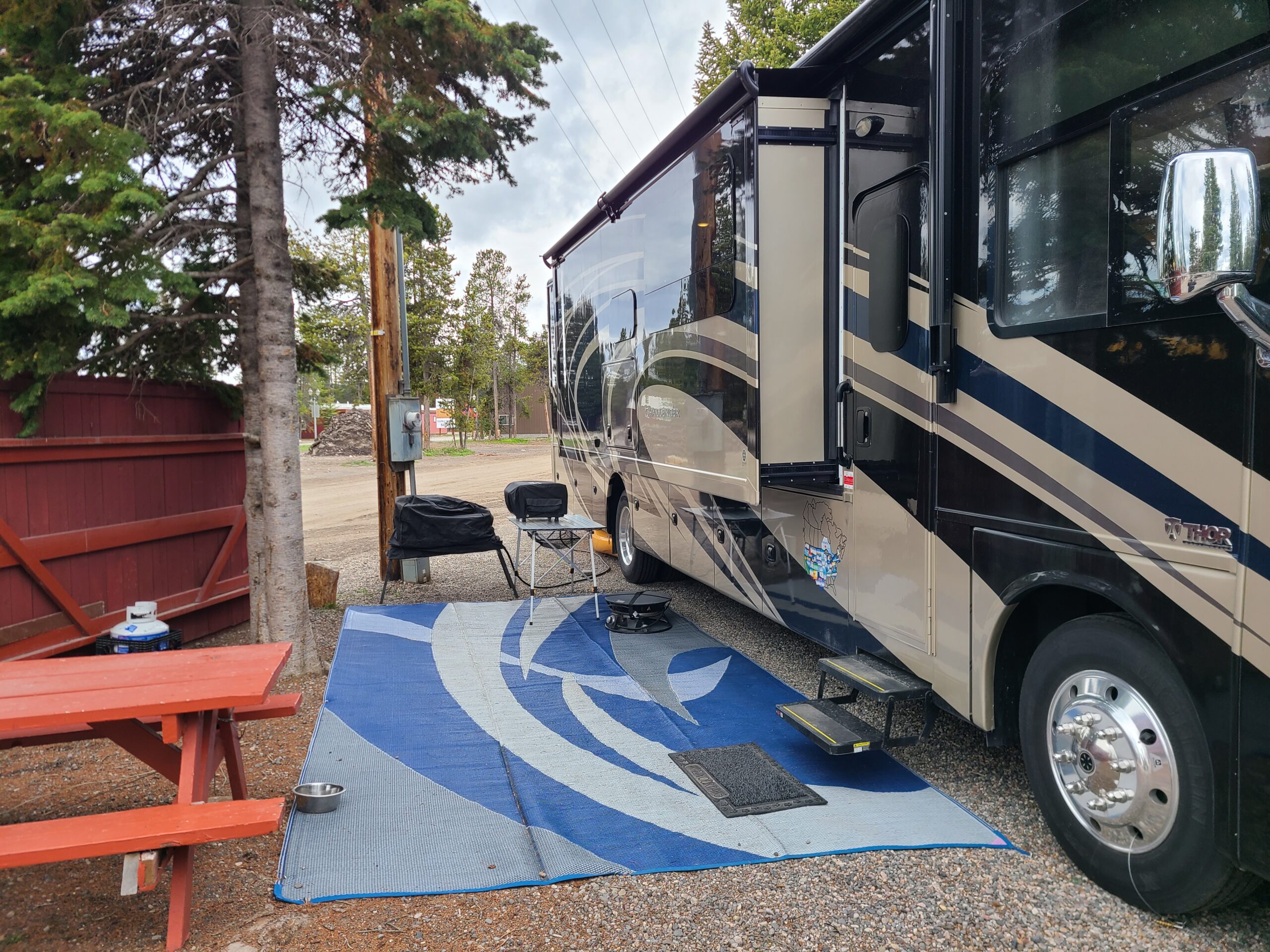
An outdoor RV mat helps create a comfortable living space outside your door while also reducing the amount of dirt, sand, and mud tracked into the RV. It can quickly transform a campsite into a more inviting area for relaxing, cooking, or spending time with family and friends.
We use a large 9-foot by 18-foot reversible plastic straw rug because it provides plenty of space for chairs, a table, and other campsite gear. It’s lightweight, easy to clean, and folds up for compact storage when it’s time to move to the next destination. There are many other sizes available.
Camp Chairs
Comfortable camp chairs make it much easier to relax outside and enjoy your campsite, whether you’re drinking morning coffee, reading, or watching the sunset. Over more than seven years of RV travel, we’ve tried a wide range of camping chairs, and our favorite so far has been the GCI Outdoor Freestyle Rocker. It’s sturdy, comfortable, and the smooth rocking motion makes it a great choice for unwinding after a day of driving or exploring.
Portable Smoker, Grill, or Griddle
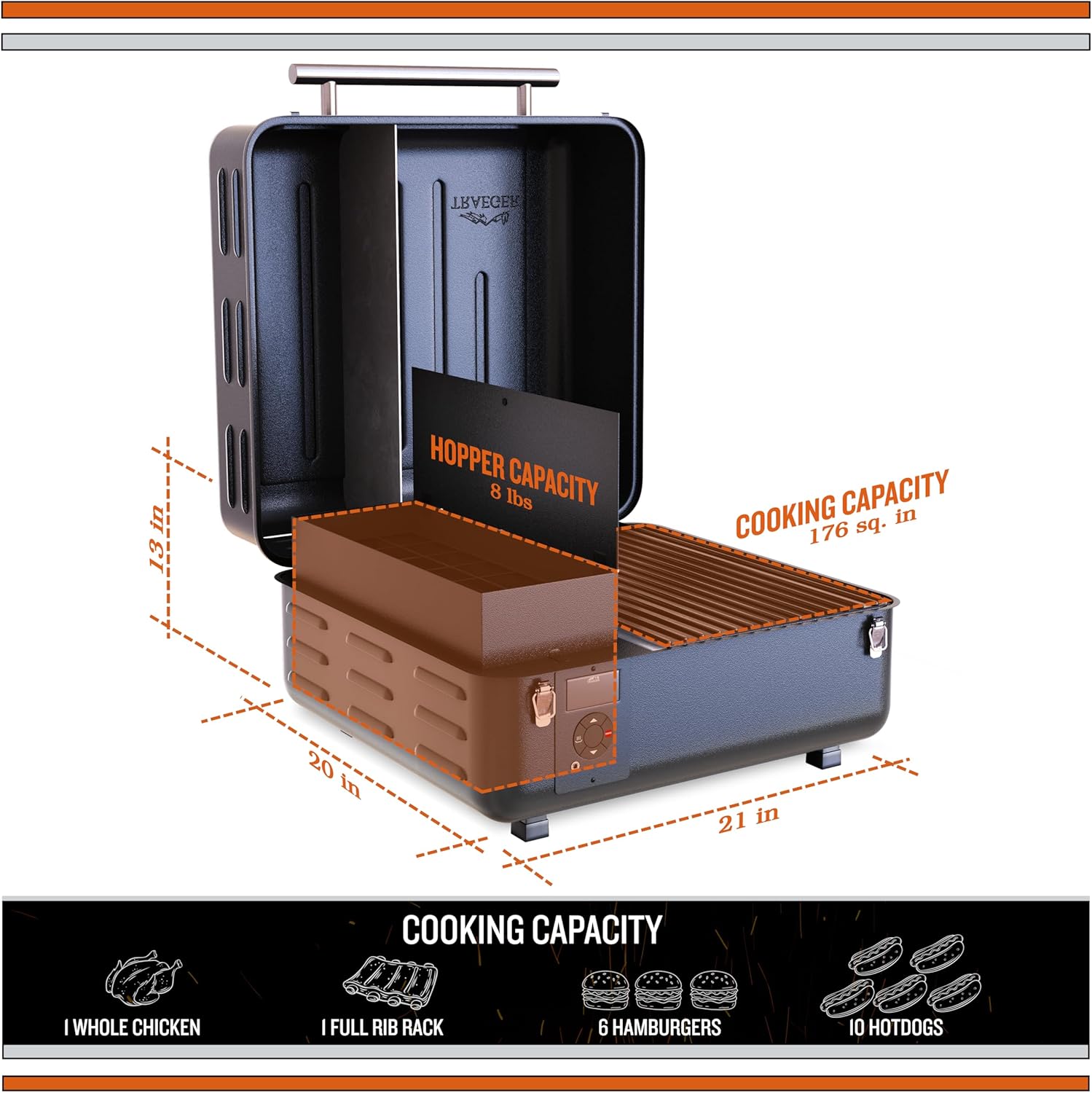
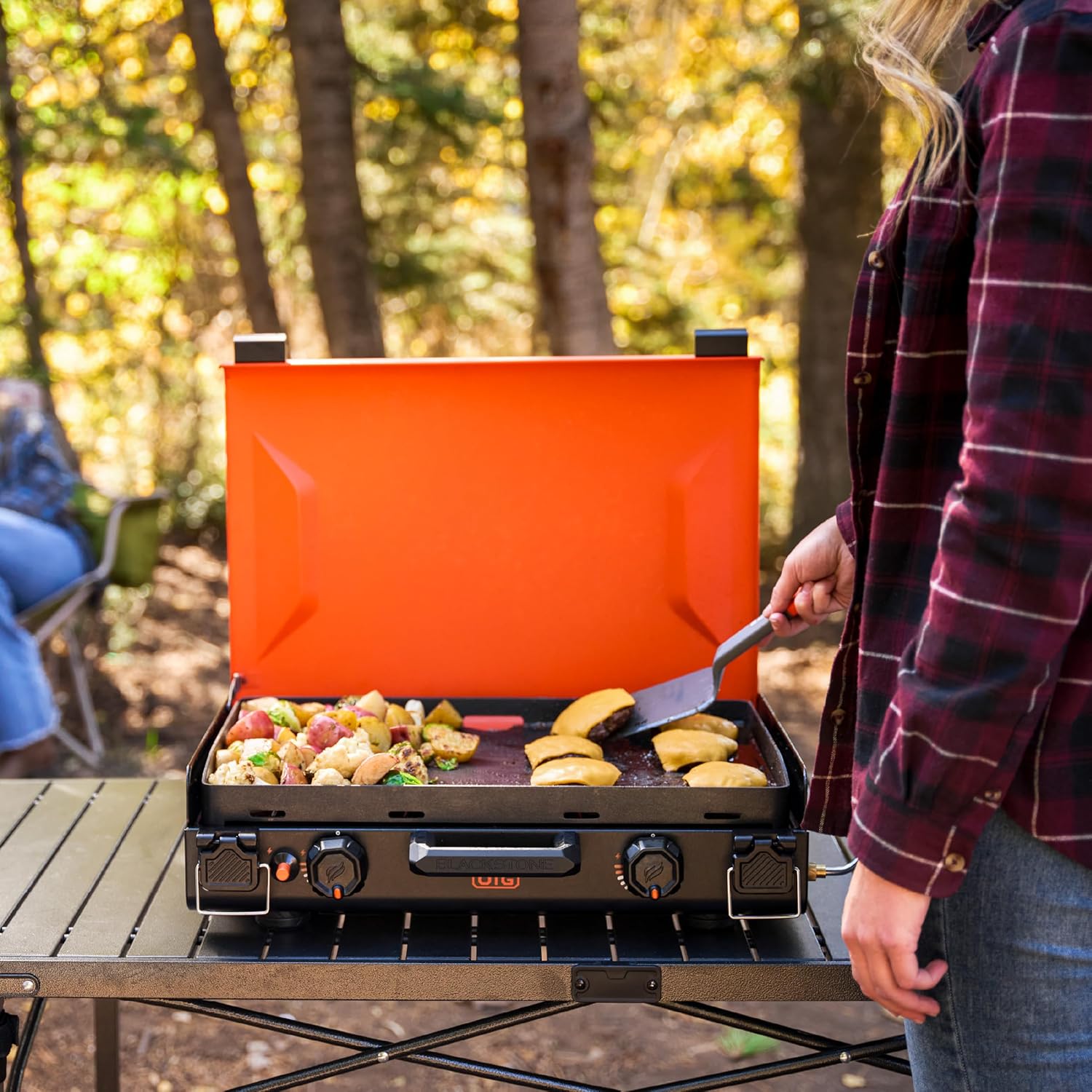
Cooking outdoors is one of the best parts of RV travel. A portable grill or griddle helps keep heat, grease, and cooking odors out of the RV while allowing you to enjoy more time outside at your campsite. It also makes meal preparation easier when entertaining friends or family.
We use both the Traeger Ranger pellet smoker for smoked meats and slow cooking, and the Blackstone camping griddle for quick meals like breakfast, burgers, and stir-fry. Having both options gives us flexibility and makes outdoor cooking one of our favorite parts of RV life.
Whether you prefer grilling, smoking, or using a flat-top griddle, a portable outdoor cooking setup can significantly enhance your camping experience.
Folding Table
A portable folding table provides valuable extra workspace at the campsite, especially when preparing meals outdoors. We use the CampLand aluminum height-adjustable folding table to hold our Traeger Ranger pellet smoker and Blackstone camping griddle. It’s sturdy, lightweight, and easy to set up, making outdoor cooking much more convenient. In fact, we plan to add a second table in the future to create a dedicated prep area when cooking larger meals at the campsite.
Essential RV Safety Accessories
Safety gear helps you stay prepared for unexpected situations on the road.
Tire Pressure Monitoring System (TPMS)
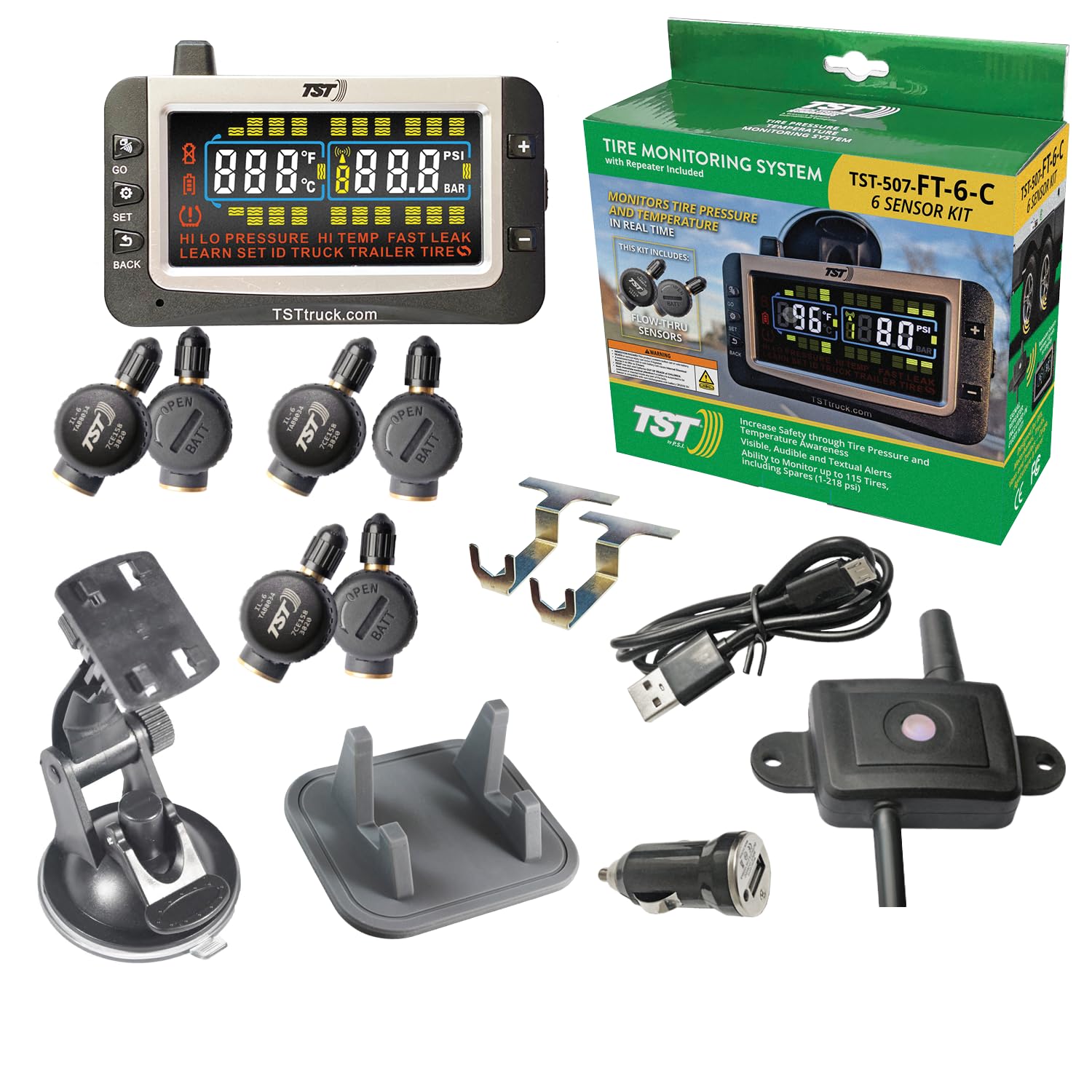
Maintaining proper tire pressure is one of the most important safety responsibilities for any RVer. A tire pressure monitoring system (TPMS) allows you to monitor tire pressure and temperature in real time while driving, helping reduce the risk of dangerous blowouts and costly damage.
We use the TST 507 system with flow-thru sensors on our motorhome so we can add air without removing the sensors. On our towed Bronco, we use the cap sensors, which are smaller and lighter. This combination provides flexibility and dependable tire monitoring across both vehicles.
You can read our full real-world experience and detailed setup tips in our complete TST 507 TPMS review.
A reliable TPMS provides valuable peace of mind on travel days and is one of the best safety upgrades new RVers can make.
Reflective Safety Triangles and Emergency Road Flares
If you experience a breakdown or need to stop along the roadside, reflective warning triangles help alert approaching drivers and improve visibility around your RV. We carry the XOOL emergency warning triangle kit as part of our roadside safety gear and have also added a set of LED emergency road flares for additional visibility in low-light conditions. Having both options available provides extra peace of mind when traveling or setting up in unfamiliar areas.
Fire Extinguisher
Every home and RV should be equipped with at least one fire extinguisher. Having an additional extinguisher onboard provides quicker access in an emergency and adds an extra layer of safety while traveling or camping. We carry the Kidde FA110G multi-purpose fire extinguisher, which is compact, easy to store, and suitable for common fire types that can occur in an RV.
First-Aid Kit
A well-stocked first-aid kit is an important part of any RV safety setup and can help you handle minor injuries while traveling, hiking, or enjoying outdoor activities. We keep a compact Travel First-Aid Kit in our motorhome, so basic medical supplies are always within easy reach when we need them.
RV Monitoring and Tech Gear
Technology can make RV travel safer and more convenient.
RV Temperature Monitoring System
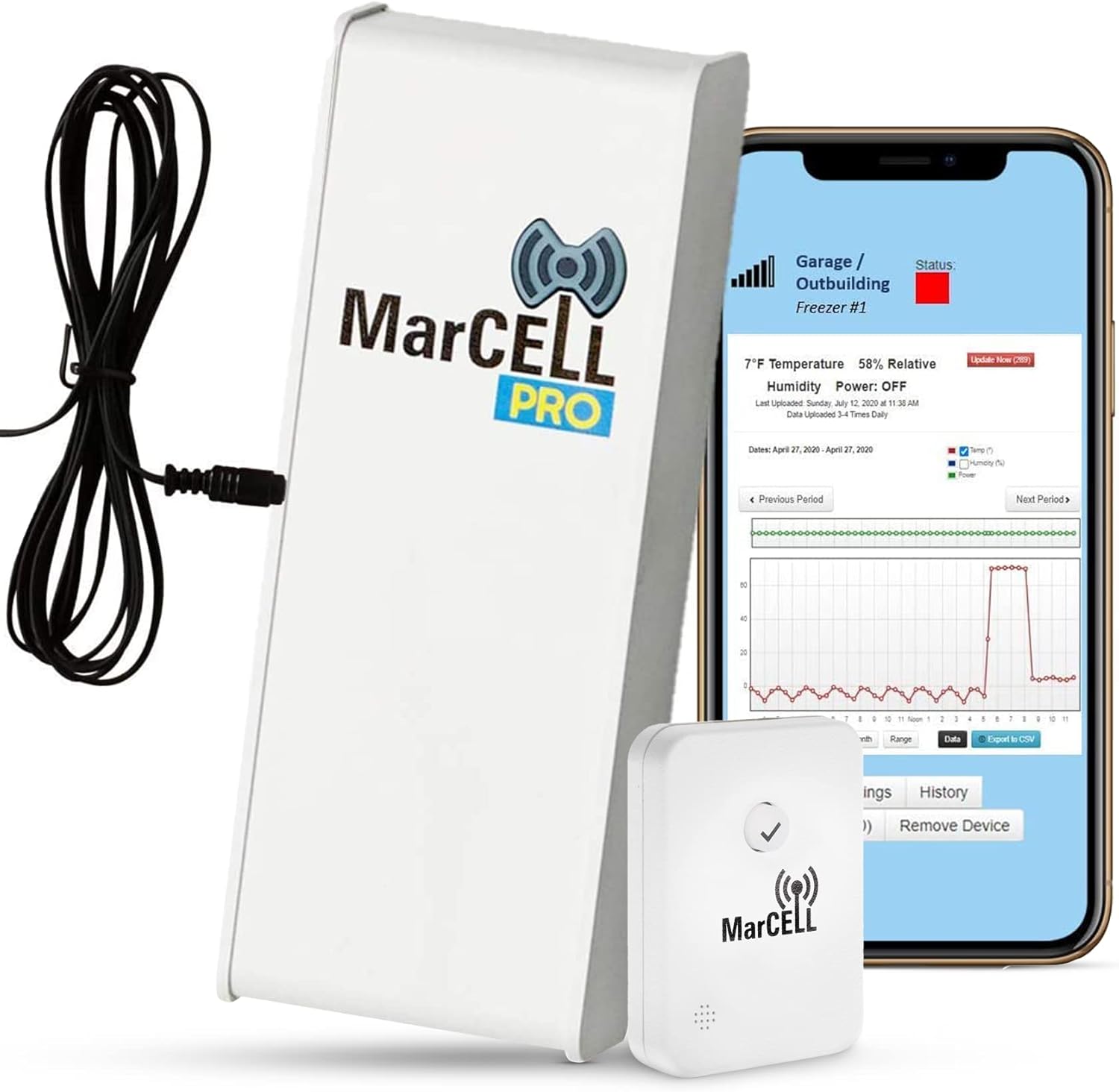
A remote temperature monitoring system is one of the most valuable technology upgrades you can add to an RV, especially if you travel with pets. It allows you to monitor interior conditions from anywhere and receive alerts if temperatures rise, power is lost, or humidity levels become unsafe.
We have used the MarCELL PRO since we first started RVing more than seven years ago. It has warned us several times when campground power was lost or the interior of our motorhome began getting too warm for our dog, giving us the chance to return quickly and address the situation.
Our unit also includes a wireless water sensor that helps detect leaks or flooding in areas like sink cabinets and the washer/dryer closet. This added protection provides valuable peace of mind whenever we leave the RV unattended.
You can read our full real-world experience using the MarCell Pro System here.
Backup Camera System
Many RVs come equipped with factory-installed backup cameras, which can make maneuvering and parking much easier. These systems improve visibility behind the RV and help reduce stress when backing into campsites or navigating tight areas. Our motorhome came with a backup camera already installed, and it has been a valuable driving aid for keeping track of our towed vehicle and backing into campsites. If your RV does not include one, you can explore a variety of aftermarket options to improve safety and driving confidence by browsing available RV backup camera systems.
RV GPS Navigation Unit
A dedicated RV GPS can make travel days much less stressful by helping you avoid low bridges, restricted roads, and tight turns that may not be suitable for larger vehicles. These units allow you to program your RV’s height, weight, and length so routing is tailored specifically to your rig.
We have used the Garmin RV 780 for years and have found it to be a valuable driving tool. It has since been replaced by the updated Garmin RV 795 with a 7-inch display. For RVers who prefer a larger screen, Garmin also offers the 8-inch RV 785 and the 10-inch RV 1095.
Having an RV-specific navigation unit provides added confidence when traveling in unfamiliar areas and helps make route planning easier and safer.
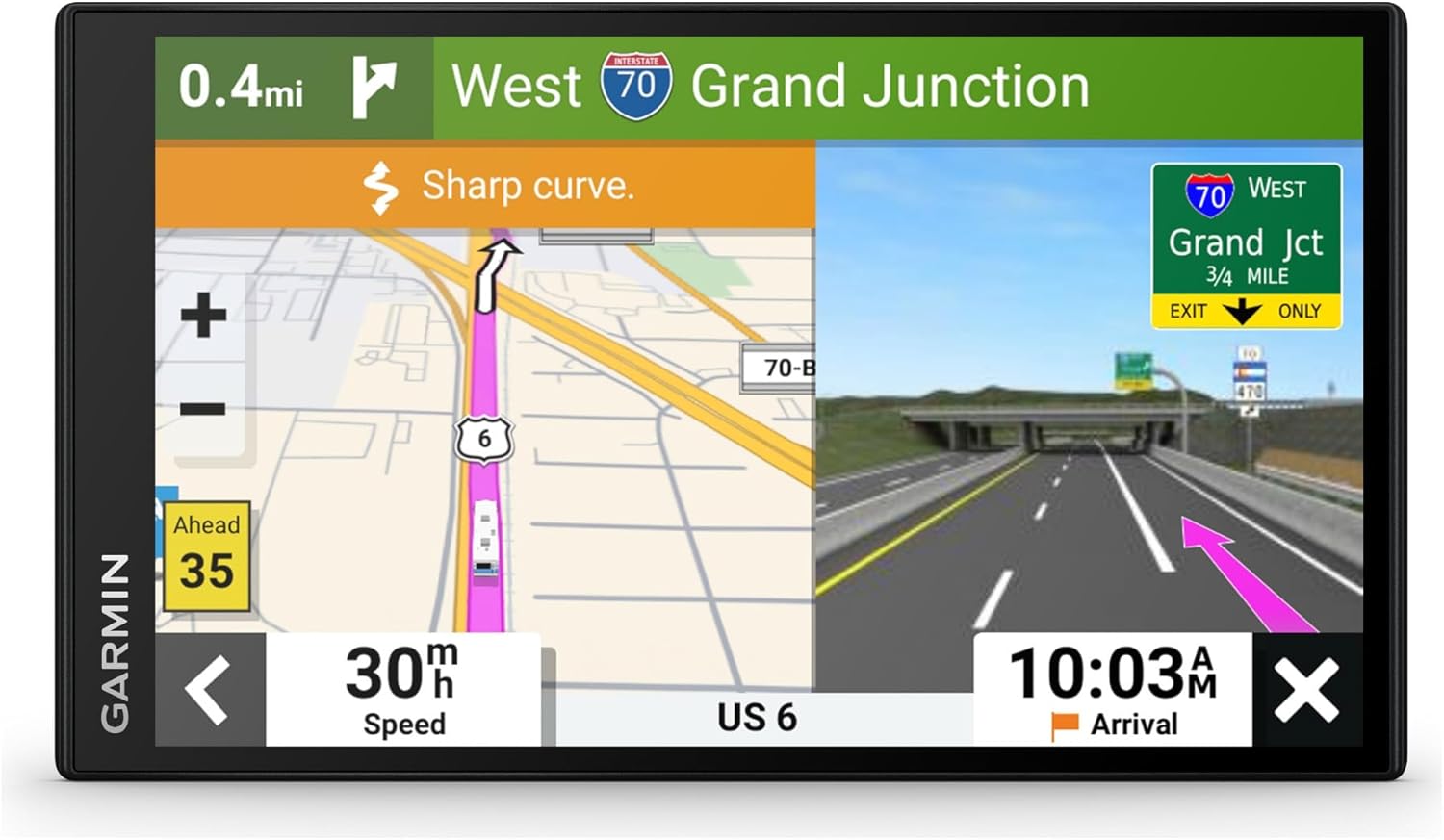
You can read our detailed comparison and full review of Garmin RV GPS units here.
Mobile Internet Solutions
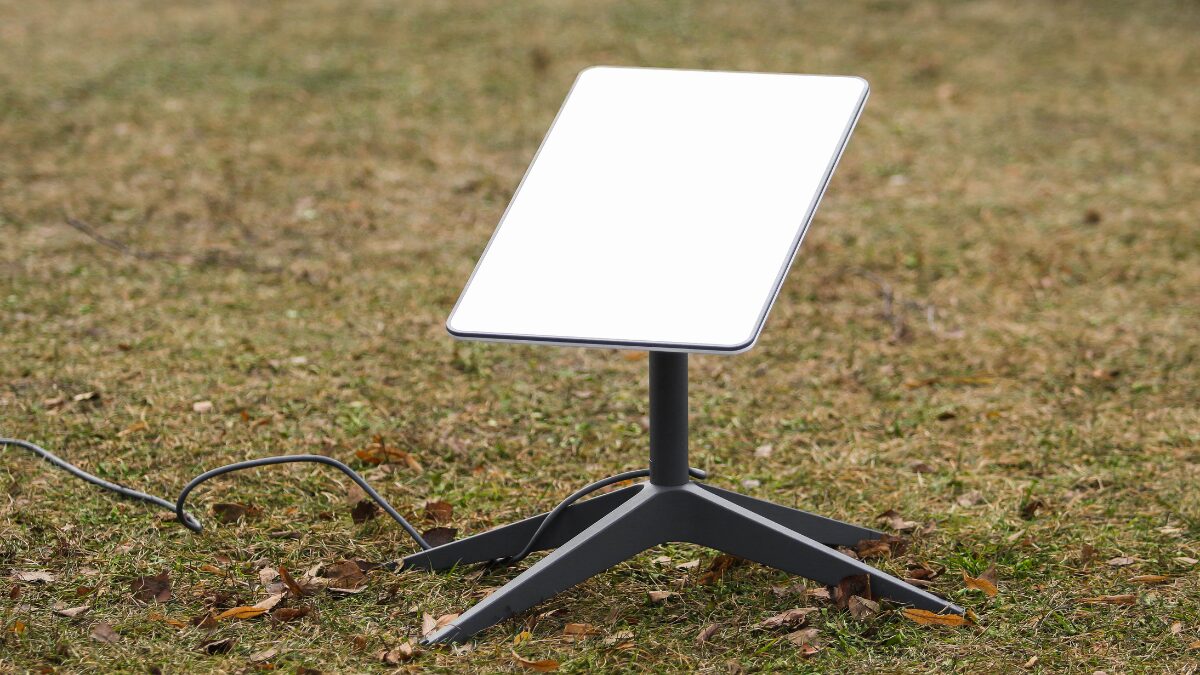
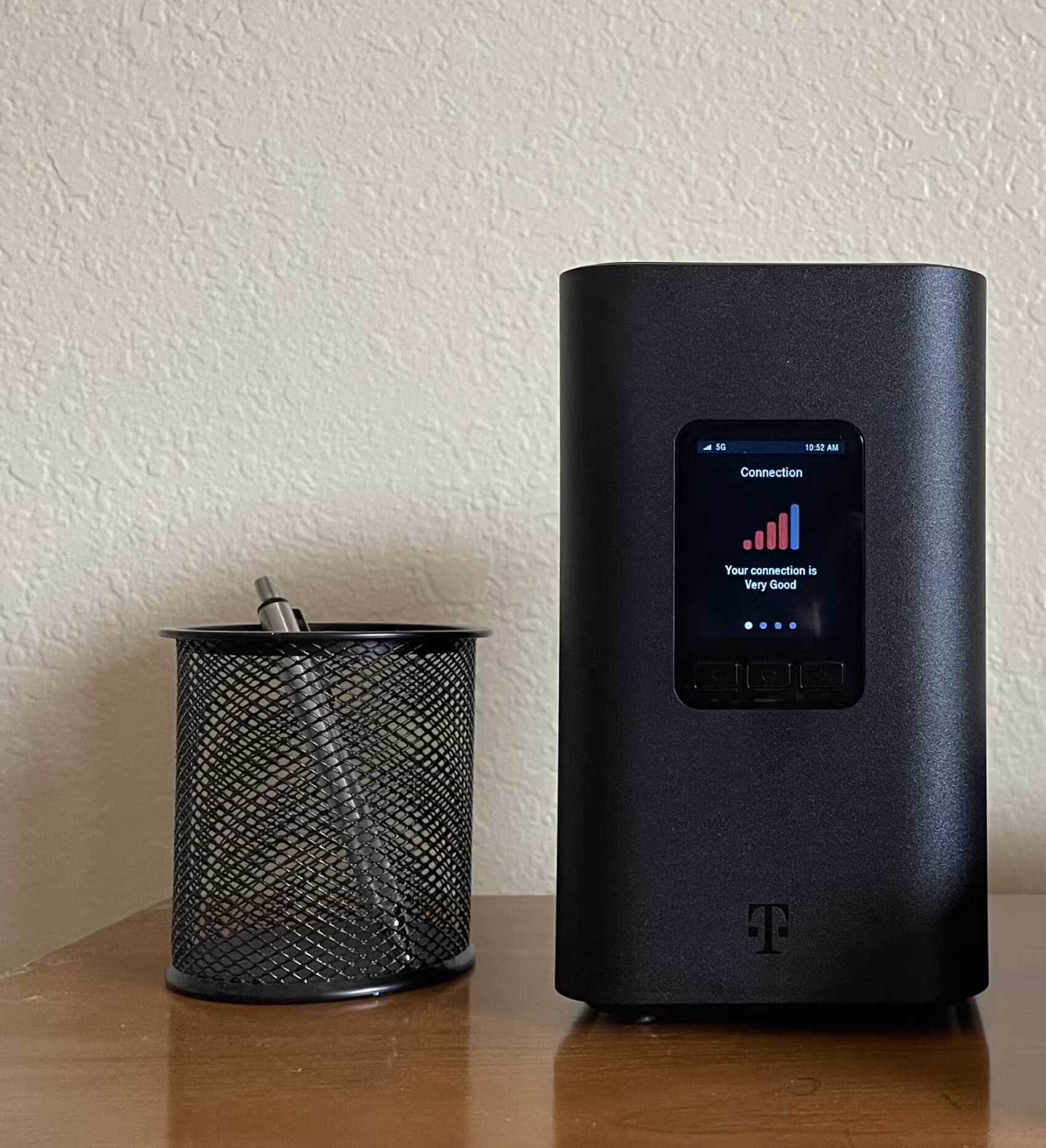
Reliable internet access has become one of the most important considerations for modern RV travel. Whether you work remotely, manage online tasks, or simply want to stay connected with family and friends, having dependable mobile internet can greatly improve life on the road.
We use both Starlink satellite internet and T-Mobile Home Internet to stay connected during our travels. Starlink provides strong performance in remote or boondocking locations, while T-Mobile works well in areas with cellular coverage. Using both options helps us maintain reliable connectivity across a wide range of camping environments.
Having multiple connectivity solutions can reduce frustration on travel days and provide greater flexibility when choosing campsites.
You can read our full guide to choosing the best internet options for RV travel in our detailed article on staying connected on the road.
RV Internet Strategy Tip
- Use more than one connectivity option
- Cellular works best in populated areas
- Satellite helps in remote locations
- Test the connection before longer stays
- Download important info ahead of time
Basic RV Tool Kit Every Owner Should Carry
Having a basic tool kit onboard can make a big difference when small repairs or adjustments are needed at the campsite or on travel days. RVs experience constant movement and vibration, which means loose screws, minor leaks, and simple maintenance issues are part of the lifestyle. Keeping a few essential tools readily available helps you handle many common situations without needing immediate professional assistance.
At a minimum, RVers should carry a set of screwdrivers including Phillips, flathead, and square drive (or double square) drivers, which are commonly used throughout RV interiors and exterior components. A small socket set, adjustable wrench, pliers, and a cordless drill can also be extremely helpful for quick fixes and routine maintenance tasks.
Other useful additions include a tire pressure gauge, flashlight or headlamp, electrical tape, zip ties, spare fuses, and a roll of duct tape. These simple items take up very little storage space but can save time and frustration when unexpected issues arise. Over time, most RVers naturally build out their tool kit based on their travel style and the specific needs of their rig. on the road.
Additional RV Accessories That Make Life Easier
Maintaining proper tire pressure is critical for safe RV travel and optimal tire performance. A portable air compressor makes it easy to top off tires before travel days or adjust pressure for changing temperatures and elevation.
We use the VIAIR 450P-RV portable compressor because it is powerful enough to handle larger motorhome tires and provides the flexibility to add air wherever it’s needed. Having a dependable compressor onboard can save time, improve safety, and help extend the life of your tires.
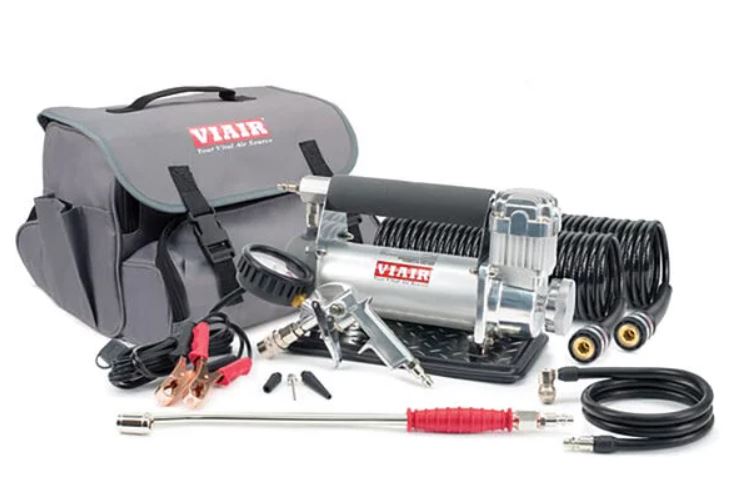
You can read our full hands-on experience with this compressor in our detailed VIAIR 450P-RV review.

When camping in colder temperatures, a heated water hose can help prevent your freshwater supply line from freezing. This allows you to maintain normal water use even during chilly mornings or overnight temperature drops.
We use a 12-foot Camco heated water hose during colder travel seasons and have found it especially useful when staying in areas where freezing temperatures can occur. Having one onboard can make winter camping more comfortable and help avoid unexpected water issues.
Check current price and details
Even brief overnight freezes can cause standard water hoses to crack or restrict water flow, making a heated hose a valuable seasonal accessory for RV travel.
You can read our full hands-on experience using this hose, along with winter camping tips and setup advice, in our detailed heated RV water hose review.
Command Picture Hanging Strips
Small upgrades can make a big difference in day-to-day RV living. Command picture hanging strips are useful for securing lightweight décor, remotes, small organizers, or other items that might otherwise shift or fall while traveling. We use the Command 15 lb large picture hanging strips to help keep things in place without damaging interior walls or cabinets. They are easy to apply, simple to remove, and can help reduce rattles and movement when driving between destinations.
Other Helpful RV Accessories
In addition to the must-have gear listed above, there are several smaller accessories that can make everyday RV living more convenient and enjoyable.
- RV toilet paper and tank rinse wand – Designed to break down properly in holding tanks and help maintain cleaner tanks and sensors.
- RV entry step cover – Helps keep dirt and debris out of the RV while providing better traction when entering and exiting.
- Collapsible storage bins – Useful for organizing gear, pantry items, tools, or outdoor equipment without taking up much space when not in use.
- Headlamp or flashlight – Essential for nighttime setup, troubleshooting issues, or navigating campgrounds after dark.
Building Your Essential RV Setup
Getting started with RV travel can feel overwhelming at first, especially when trying to determine what gear is truly necessary. The good news is that you don’t need to purchase everything at once. Most RVers build their setup over time as they gain experience, travel to different environments, and learn what works best for their style of camping.
Focusing on the essentials first — such as hookup equipment, safety gear, and basic comfort items — will help make your early trips more enjoyable and less stressful. As your confidence grows, you can continue adding accessories that improve convenience, organization, and overall campsite comfort.
Every RV journey is different, but having the right foundational equipment can make a significant difference in how smoothly your travels unfold. With a well-planned setup, you’ll spend less time dealing with unexpected challenges and more time enjoying the freedom and adventure that RV life offers.
Common Mistakes New RVers Make When Buying Accessories
- Buying cheap hookup gear
- Not carrying power adapters
- Overbuying accessories too soon
- Ignoring tire safety
- Not testing the equipment before traveling
Avoiding these mistakes can make your first RV trips much more enjoyable.
Frequently Asked Questions About Essential RV Accessories
What accessories do I need for my first RV trip?
New RV owners should focus on basic hookup gear such as a sewer hose kit, drinking-water safe hose, water pressure regulator, surge protector or EMS, leveling blocks, and wheel chocks. Safety items like a tire pressure monitoring system and a first-aid kit are also important. Comfort accessories such as camp chairs and an outdoor mat can make your first trip more enjoyable.
Do new RVs come with hookup accessories?
Most new RVs do not include all the equipment needed for campground hookups. While some may include a basic sewer hose or power cord, many essential items like water hoses, pressure regulators, electrical adapters, and leveling equipment are typically purchased separately.
Is a surge protector enough for RV electrical protection?
A surge protector can help guard against sudden power spikes, but an Electrical Management System (EMS) provides more complete protection. An EMS monitors incoming power and can disconnect your RV if it detects low voltage, high voltage, wiring faults, or grounding issues.
Why do I need a water pressure regulator for my RV?
Campground water pressure can vary significantly. A water pressure regulator helps protect your RV’s plumbing system from excessive pressure that could cause leaks, burst lines, or damage to fixtures and appliances.
What is the most important safety accessory for RV travel?
While several safety items are important, many RVers consider a tire pressure monitoring system to be one of the most valuable. Proper tire pressure monitoring can help prevent dangerous blowouts and reduce the risk of costly damage while traveling.
Do I need an RV-specific GPS?
An RV-specific GPS is not required, but it can make travel easier and safer. These devices allow you to enter your RV’s size and weight so routes can be planned to avoid low bridges, restricted roads, and tight turns.
How can I stay connected to the internet while RVing?
Many RVers use a combination of cellular internet and satellite-based systems. Having more than one connectivity option can improve reliability, especially when traveling in remote areas or staying at campgrounds with weak signal coverage.
Should I buy all my RV accessories before my first trip?
It’s usually best to start with essential hookup and safety gear, then add additional accessories over time. Experience will help you determine what items truly improve your comfort and travel style.
Final Thoughts on Essential RV Accessories
Equipping your RV with the right accessories can make a meaningful difference in both comfort and confidence on the road. From essential hookup gear and safety equipment to campsite comfort items and connectivity solutions, each piece of gear plays a role in helping your travels go more smoothly. While it may be tempting to try to purchase everything at once, most RVers discover that building their setup gradually is the most practical and enjoyable approach.
As you gain experience, you’ll develop a better understanding of which accessories truly enhance your travel style and which ones you can live without. Every trip provides new lessons and opportunities to refine your setup. Over time, the right equipment helps reduce stress, improve safety, and allow you to focus more on the adventure itself.
RV travel is about freedom, flexibility, and discovering new places at your own pace. With a thoughtful collection of essential accessories onboard, you’ll be better prepared for whatever the road brings — whether that’s a quick overnight stop, a long cross-country journey, or settling into your favorite campsite for an extended stay.
The most important step is simply getting out there and enjoying the experience. With preparation, patience, and the right gear, your RV lifestyle can become one of the most rewarding ways to explore and live.
If you’re building your own setup, you can explore our complete Best RV Accessories for Full-Time Living & Gate Guarding (Real-World RV Gear We Use) for more real-world recommendations and detailed reviews.
If you’re looking to build your own home-based business like we have with this webpage, check out Wealthy Affiliate.
Wealthy Affiliate is an all-in-one platform that you can build your whole affiliate marketing business on. It combines training, software, and website hosting into one. This makes the whole process of starting an online business from scratch much easier, especially if you’re new to building a website.