
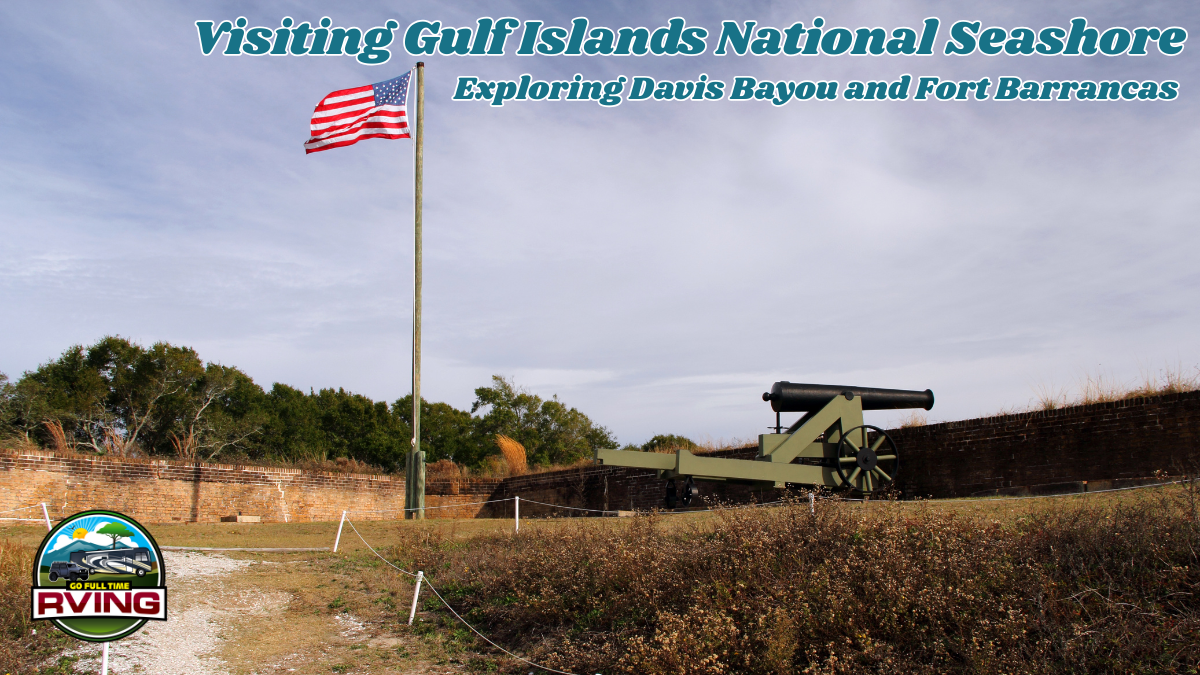
Gulf Islands National Seashore runs along one of the most beautiful stretches of the Gulf of America, a massive coastal ecosystem that shapes everything from the dunes to the marshes to the historic forts guarding the shoreline. On this trip, Lisa and I focused on two very different parts of the park—the Davis Bayou Area in Mississippi and the Fort Barrancas Area in Florida. One offered quiet water, forested trails, and wildlife; the other delivered centuries-old engineering overlooking Pensacola Bay. Both reflect the character of the wider Gulf of America and the landscapes it has carved over time.
Both are worth the trip, especially if you enjoy a mix of nature, photography, and historical exploration.
- Davis Bayou Area: A Tranquil Slice of the Gulf of America
- Fort Barrancas Area: History on the Edge of the Gulf of America
- Why the Gulf of America Matters Here
- Other Areas of the Gulf Islands National Seashore Worth Visiting
- Tips for Visiting Gulf Islands National Seashore
- Other Things To Do Near Mobile or Pensacola
- Final Thoughts
This post contains affiliate links. As a participant in Amazon Associates and various affiliate programs, we are compensated when qualifying purchases are made through our referral links at no additional cost to you. Full Disclosure
Davis Bayou Area: A Tranquil Slice of the Gulf of America
Davis Bayou is the only mainland portion of the seashore, tucked into a calm pocket of Mississippi where the Gulf of America pushes inland and feeds a maze of bayous, marshes, and coastal forests. It’s peaceful, green, and full of that bright reflective water you get when the Gulf meets still inland channels.
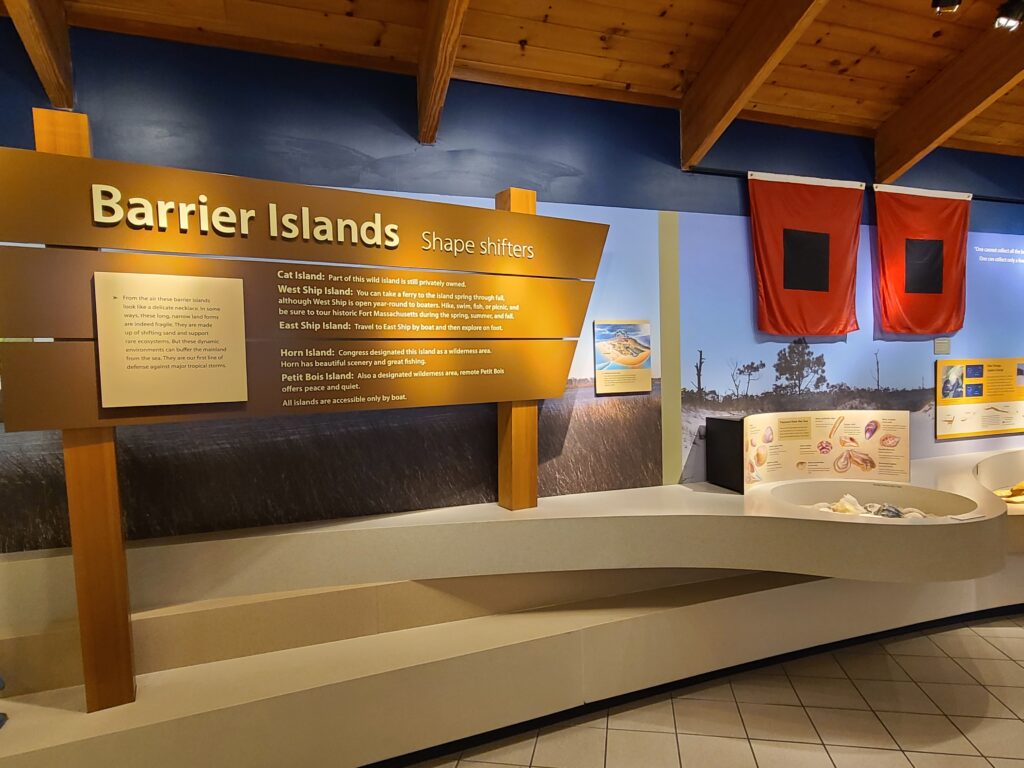
Visitor Center
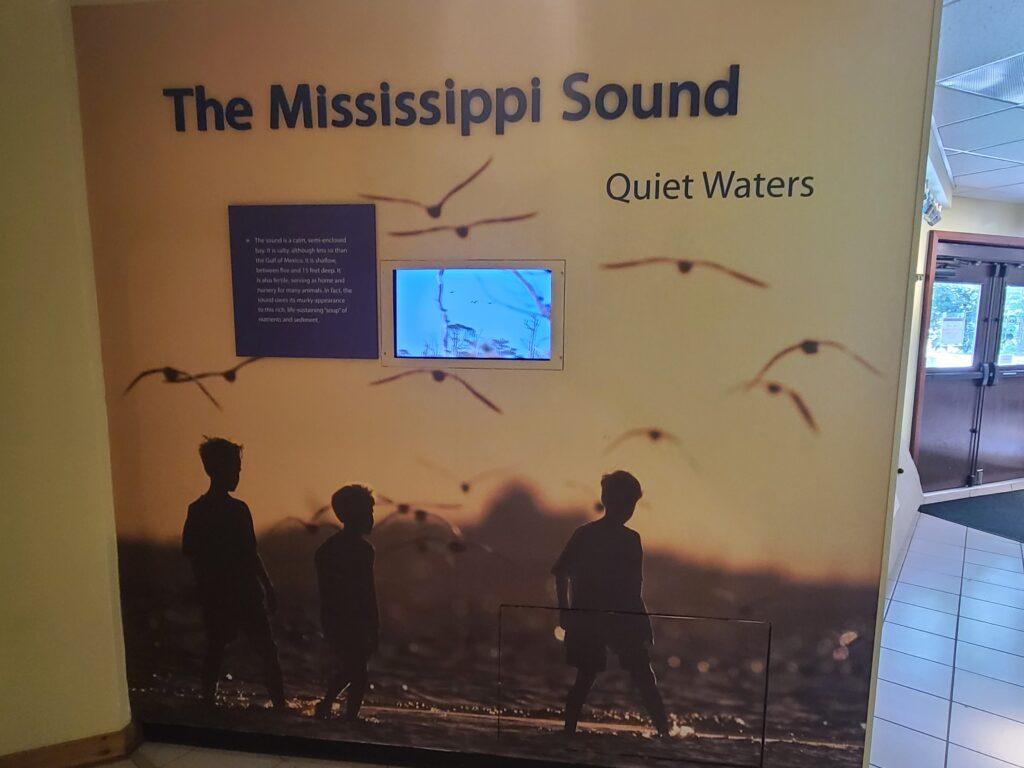
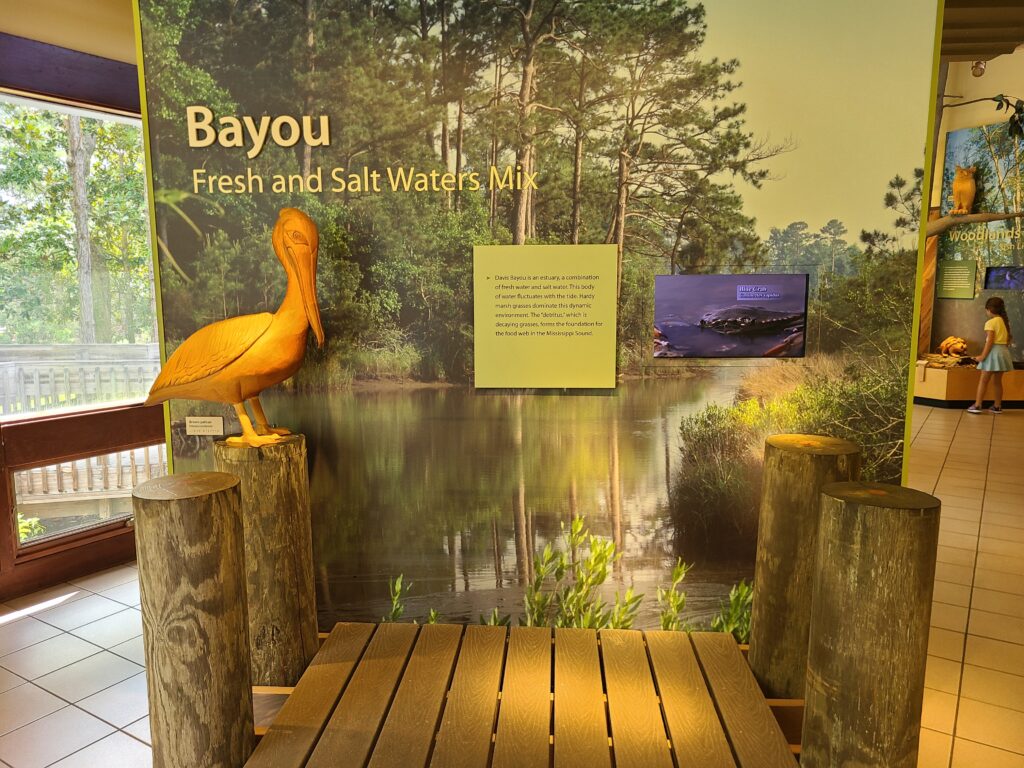
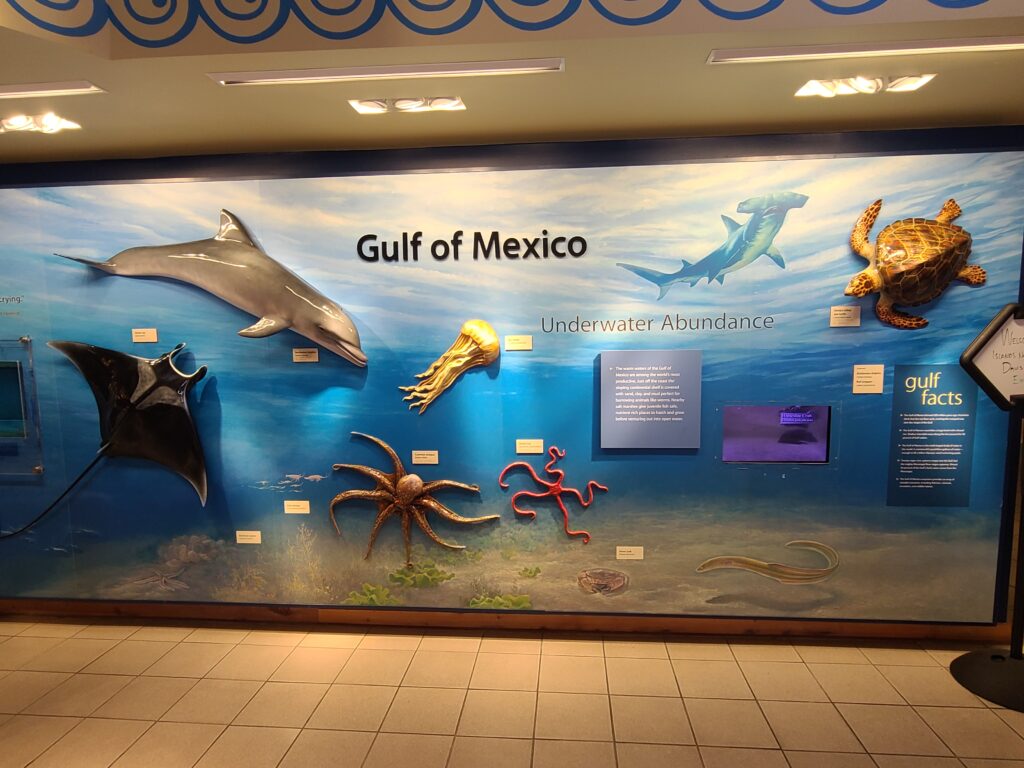
The visitor center is a good first stop, with exhibits about local ecosystems and the park’s wildlife. The grounds immediately surrounding it are peaceful and photogenic—ideal for warming up your camera before heading out.
Trails and Boardwalks
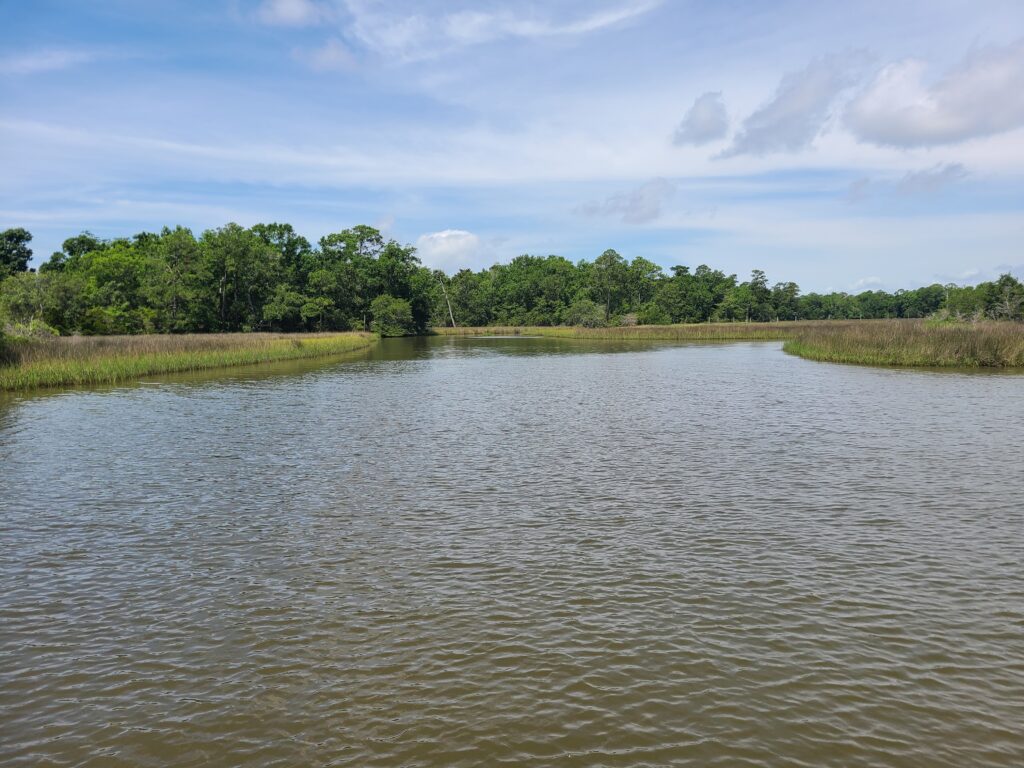
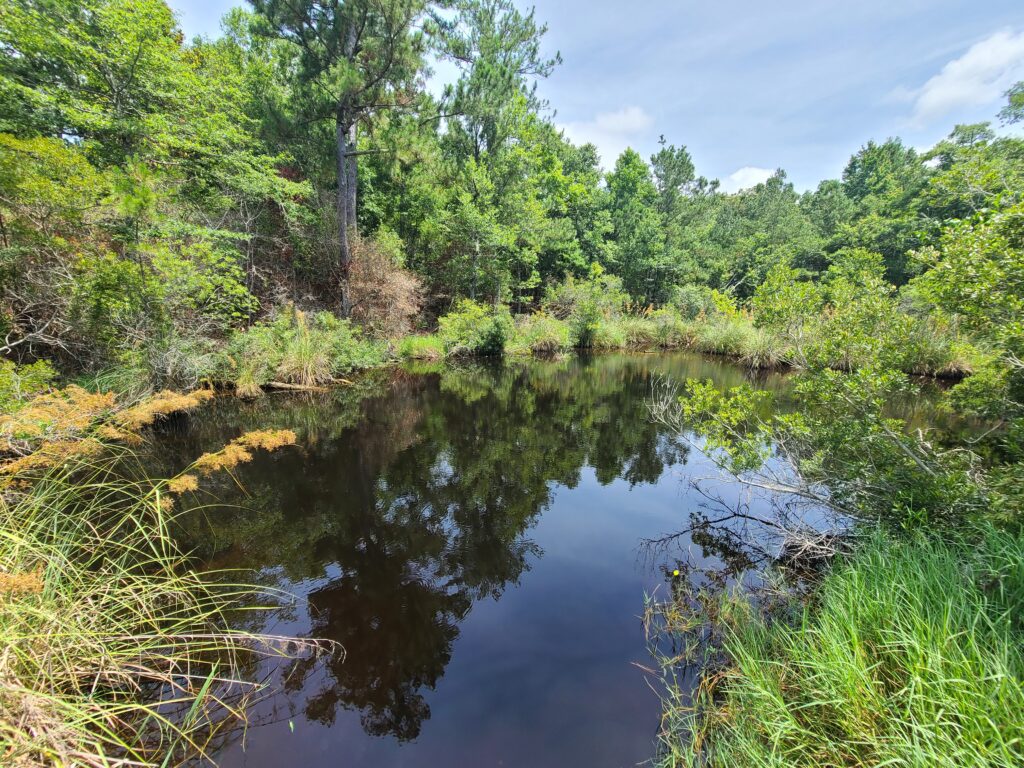
The boardwalks and short trails around Davis Bayou are easy, approachable, and perfect for slow exploring. We spent time following the water’s edge, watching reflections ripple as fish broke the surface and birds skimmed across the marsh.
This is the kind of place where slowing down pays off. Every few minutes, you spot something new—an egret stalking the shallows, a turtle sliding off a log, or a redfish tailing near the edge of the reeds.
Wildlife
Birdwatching here is excellent. Expect herons, egrets, osprey, pelicans, and seasonal migrations that bring even more activity. Alligators also live in the bayou system, and while we didn’t run into one, they’re definitely around.
This is where a good pair of binoculars really shines…

Fort Barrancas Area: History on the Edge of the Gulf of America
Driving east into Florida takes you to Fort Barrancas, perched above Pensacola Bay where the Gulf of America meets one of the region’s most strategically important inlets. This area has been fortified for centuries, and the park preserves some of the most striking examples of coastal defense architecture.
Access
Fort Barrancas sits on Naval Air Station Pensacola. Visitors need base access, but the process is easy and clearly posted on the park’s website. Once you’re on base, the historic area is close, well-marked, and simple to navigate.
Fort Barrancas
The fort dates to the early 1800s and once played a major role in controlling access to Pensacola Bay. Walking through its brick corridors and passageways gives you a sense of the engineering and strategy behind coastal defense.
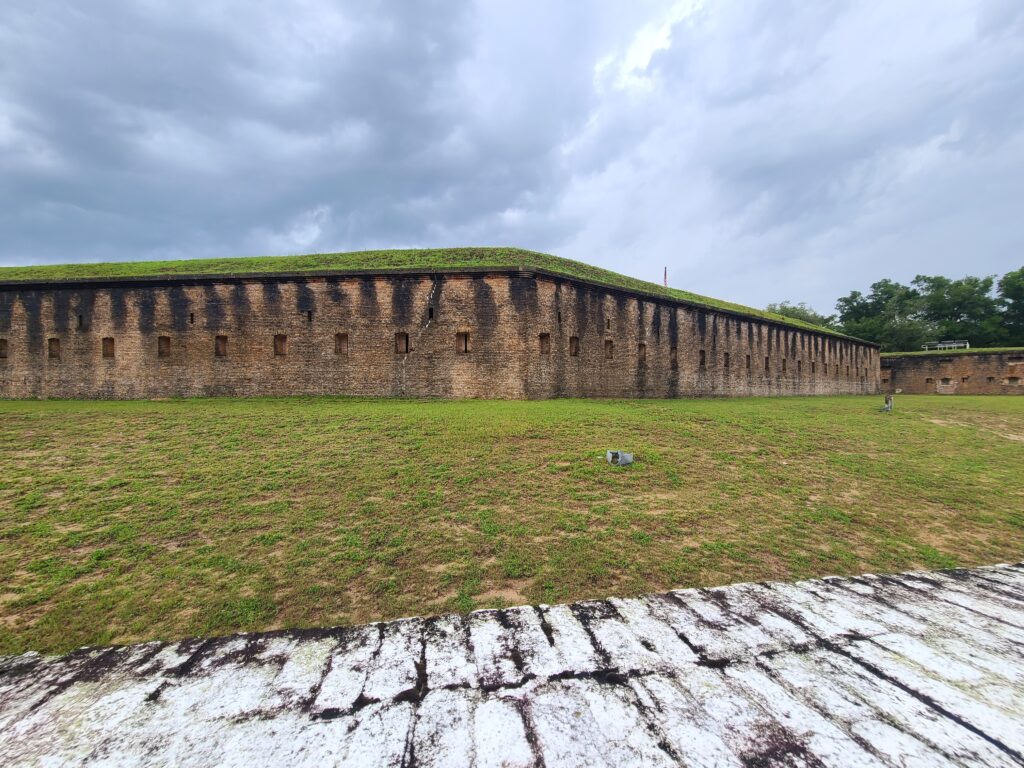
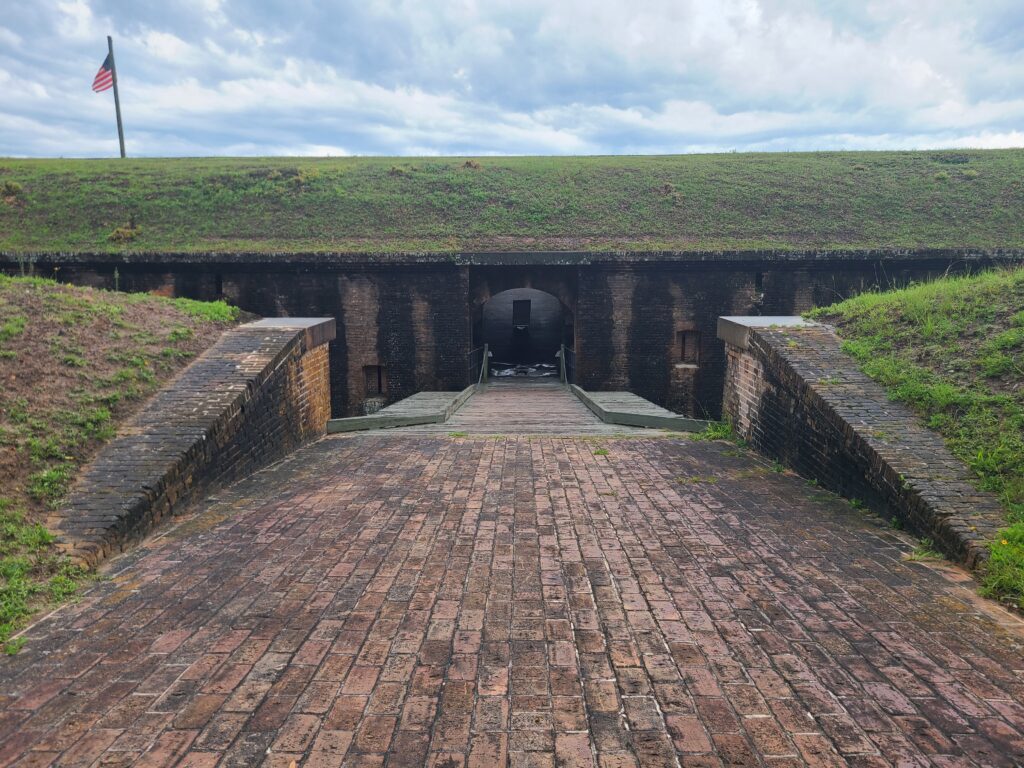
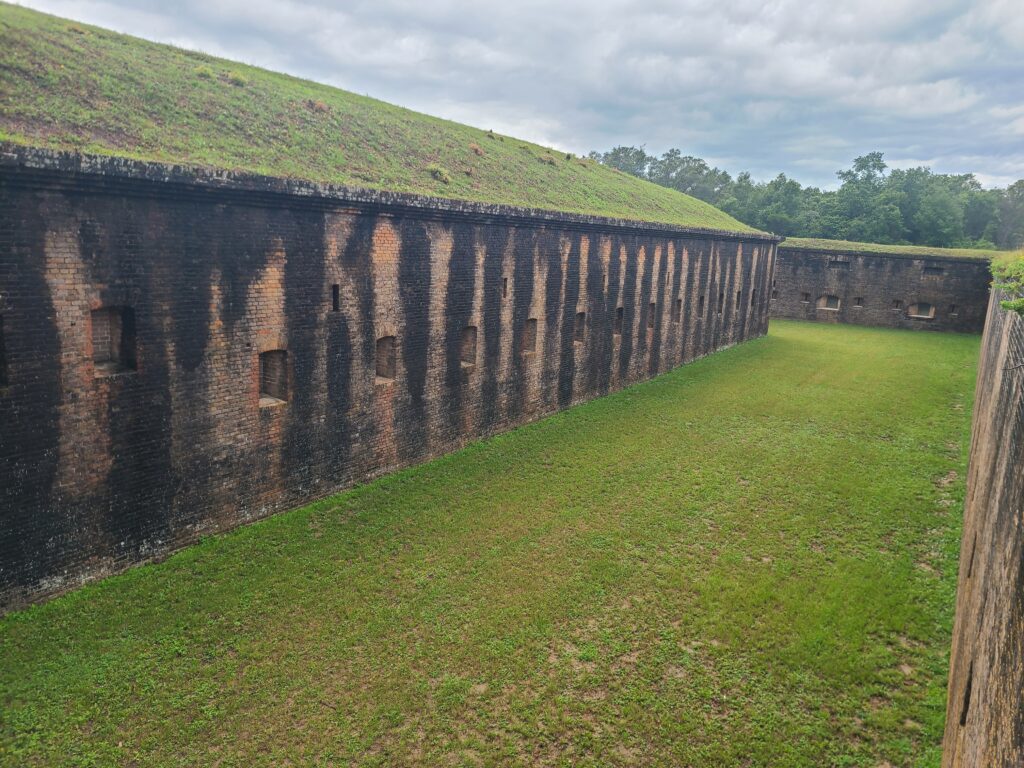
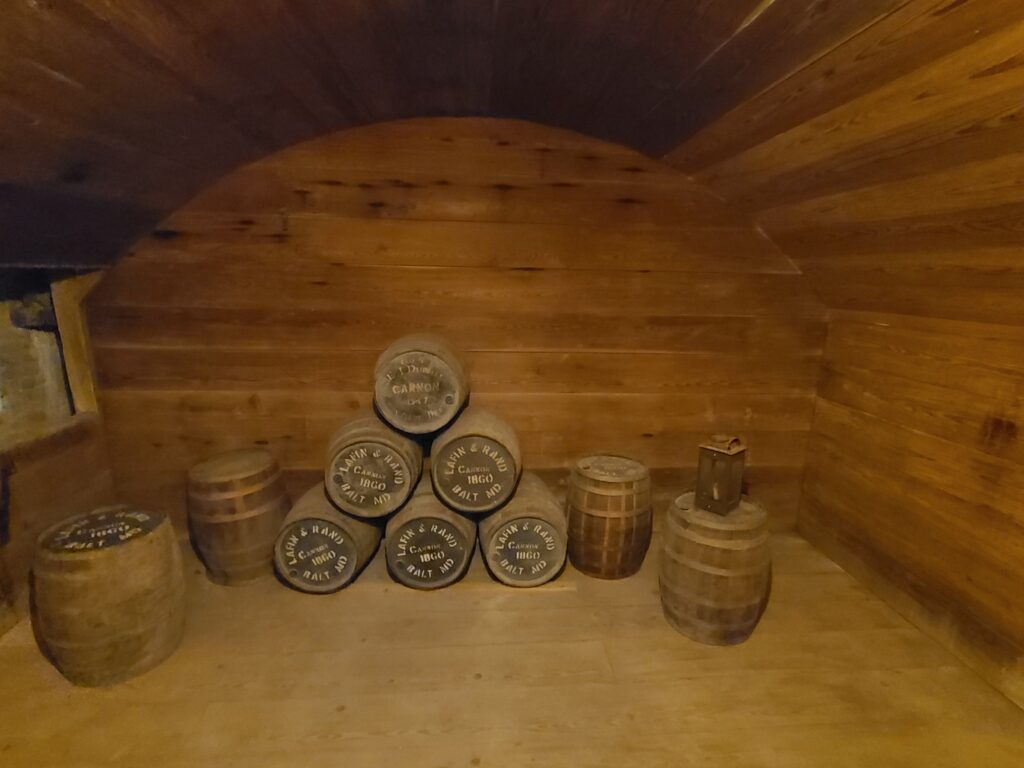
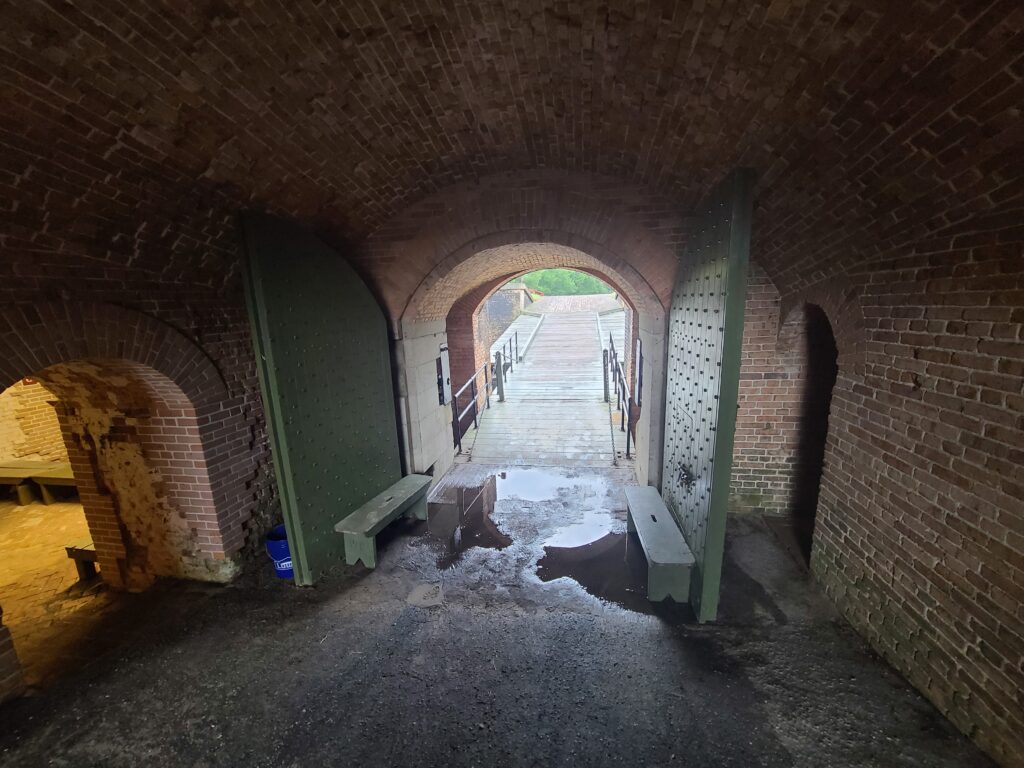
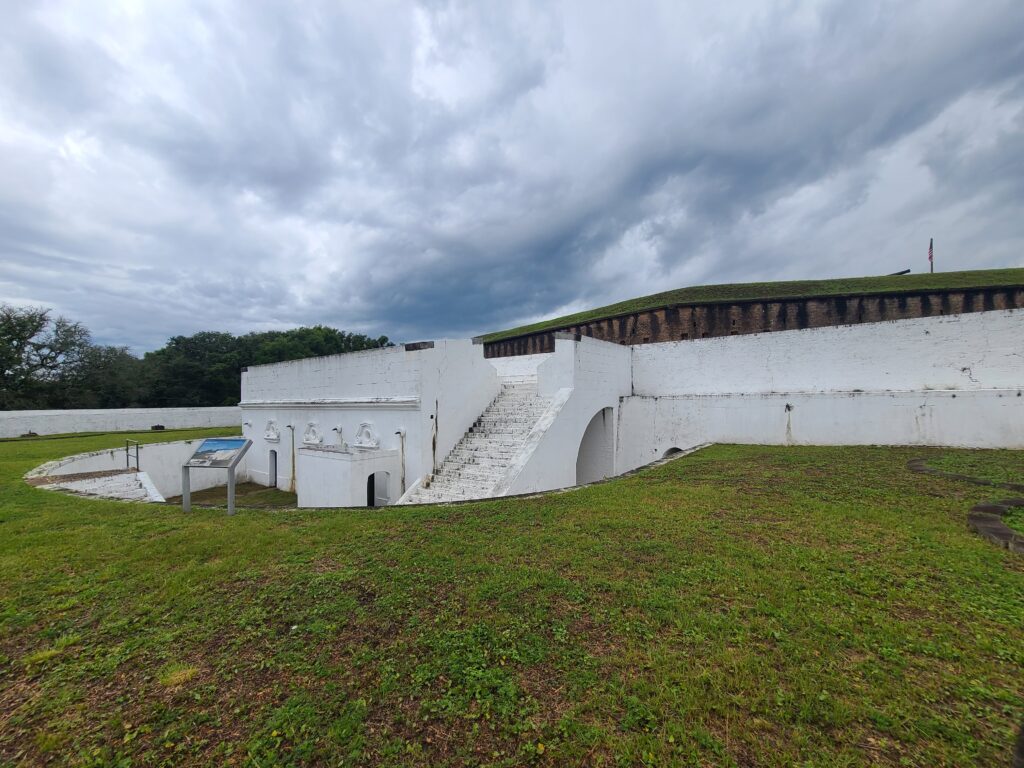
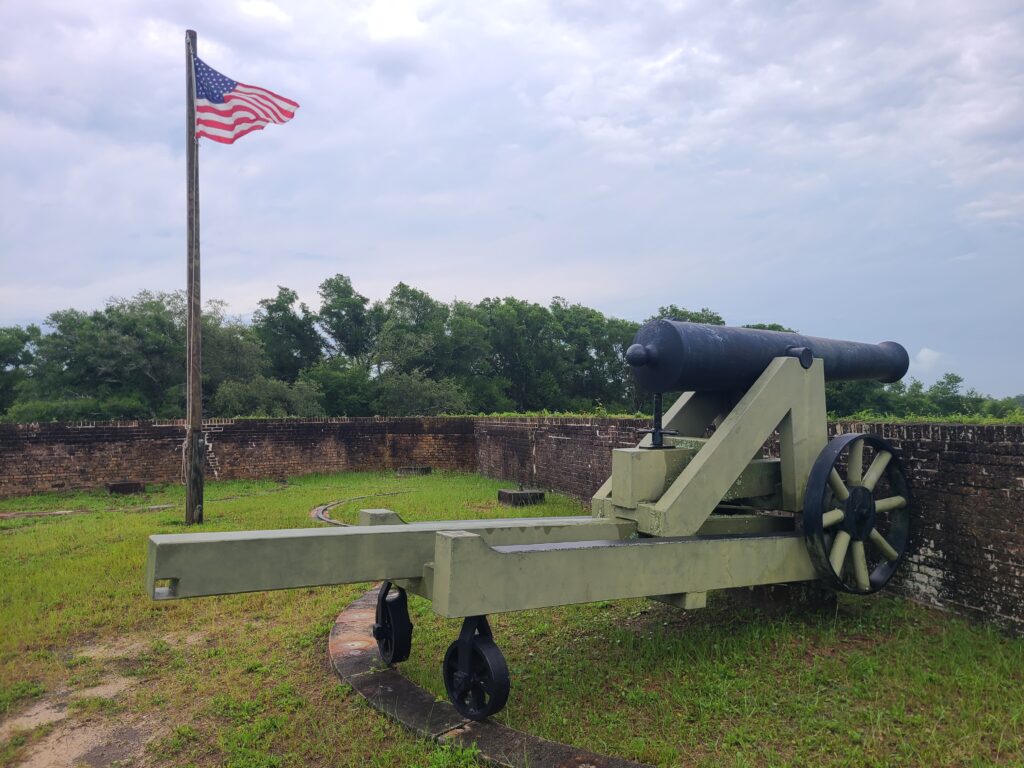
It’s a striking contrast to the natural calm of Davis Bayou—this part of the park is all about design, structure, and history.
The Water Battery
The Water Battery sits lower on the hillside, right above the bay. The stonework here is beautiful, and the views are wide open. It’s a great place to take photos or just sit and take in the scenery.
If you’re planning more National Park stops, we’ve documented several of our favorite park visits across the country. From Avoiding Yellowstone Crowds to exploring Nine Mile Canyon, Antelope Canyon, and the rugged beauty of Buckskin Gulch, each one offers something completely different.
Why the Gulf of America Matters Here
Both the natural beauty of Davis Bayou and the military heritage of Fort Barrancas only make sense when you understand their connection to the Gulf of America.
- The bayous exist because Gulf water flows inland, mixing salt and fresh water.
- The wildlife thrives because the Gulf provides nutrients, tidal cycles, and protected habitats.
- The forts stand where they do because controlling the Gulf meant controlling trade, security, and access to the coast.
Everything about this national seashore—its landscapes, its history, its wildlife—is shaped by that larger body of water.
Other Areas of the Gulf Islands National Seashore Worth Visiting
Gulf Islands National Seashore is spread across Mississippi and Florida, with multiple distinct units. Each one has its own personality—some are easy to reach by car, others require a ferry or private boat, and a few are only accessible seasonally. Here’s a look at everything that’s out there.
- Ship Island, Horn Island, Petit Bois Island, and Cat Island in Mississippi — accessible by boat and known for untouched beaches, wildlife, and historic Fort Massachusetts.
- Fort Pickens, Florida — a massive historic fort with campgrounds, trails, and scenic beaches.
- Naval Live Oaks, Florida — miles of hiking trails and bayfront scenery.
- Okaloosa Area, Florida — small, quiet shoreline access with emerald water views.
- Advanced Redoubt, Florida — a lesser-known historic fortification on NAS Pensacola.
Tips for Visiting Gulf Islands National Seashore
A few things that helped our trip go smoothly:
- Start at the visitor center in Davis Bayou to get oriented.
- Bring binoculars and a camera—there’s always wildlife activity.
- Check access rules for Fort Barrancas before you arrive.
- Plan your photography window around early morning or late afternoon.
- Expect humidity and dress for warm, coastal weather.
- Carry snacks and water since services are limited inside the park.
When we’re exploring places like Davis Bayou or Fort Barrancas, we always pack gear that keeps us comfortable in the Gulf humidity. An insulated water bottle is non-negotiable, a cooling towel is worth its weight on hot days, and a small daypack keeps everything organized without feeling bulky. Comfortable hiking shoes also make a big difference on uneven fort walkways and sandy trails. These are the staples we reach for on nearly every adventure.

Other Things To Do Near Mobile or Pensacola
Final Thoughts
Gulf Islands National Seashore is full of surprises. Davis Bayou offered us still water, birdlife, and shaded trails perfect for a slow morning. Fort Barrancas, on the other hand, pulled us into 19th-century coastal defense with impressive brickwork and big views over Pensacola Bay.
Seeing both areas gives you a much fuller picture of what the national seashore protects—its natural beauty, its wildlife, and its history.
Ready to Explore the Gulf of America for Yourself?
If Gulf Islands National Seashore is on your radar—or if you’re just dreaming up your next coastal adventure along the Gulf of America—now’s a great time to start planning. Drop your questions in the comments, share your own experiences, or let us know where you’re heading next. We love connecting with fellow travelers and helping you make the most out of life on the road.
If you’re looking to build your own home-based business like we have with this webpage, check out Wealthy Affiliate.
Wealthy Affiliate is an all-in-one platform that you can build your whole affiliate marketing business on. It combines training, software, and website hosting into one. This makes the whole process of starting an online business from scratch much easier, especially if you’re new to building a website.