
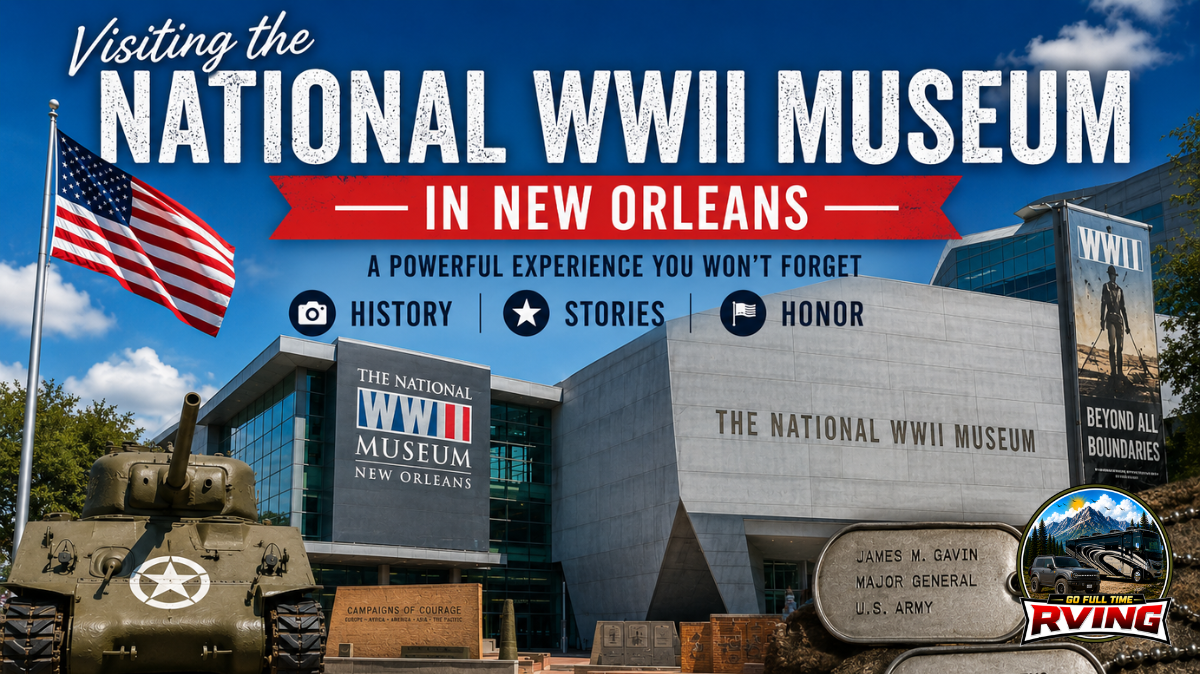
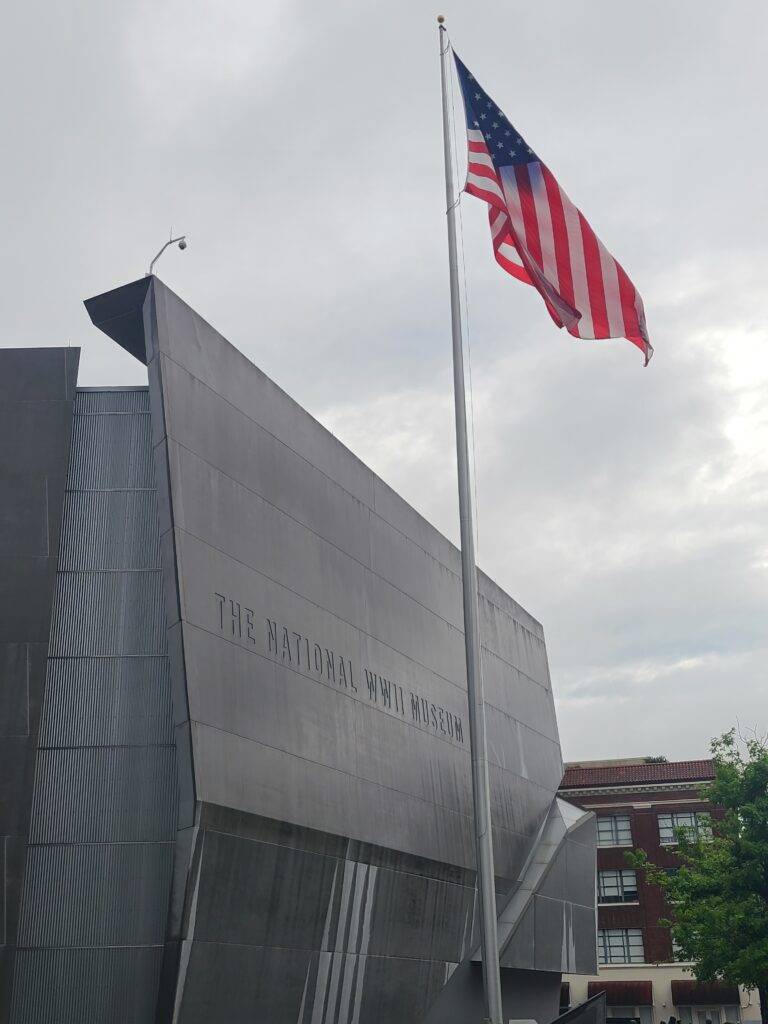
Some places simply exceed expectations, and the National WWII Museum is absolutely one of them. We expected an interesting museum with a few exhibits and historical artifacts. What we discovered instead was an immersive, emotional, and incredibly well-done experience that easily ranks among the best museums we’ve ever visited.
We left the museum incredibly impressed — and honestly a little overwhelmed. Even with a solid understanding of World War II history, there were so many stories, artifacts, and personal accounts we had never heard before. The museum does an amazing job balancing the major historical events everyone recognizes with the smaller human stories that often get overlooked. At times, it was emotional, heavy, fascinating, and humbling all at once.
One thing that surprised us was just how massive and information-rich the museum is. There’s so much to absorb that at times it almost feels overwhelming — but in the best possible way. Every exhibit seemed to lead to another story, another battle, another sacrifice, or another piece of history we had never fully understood before.
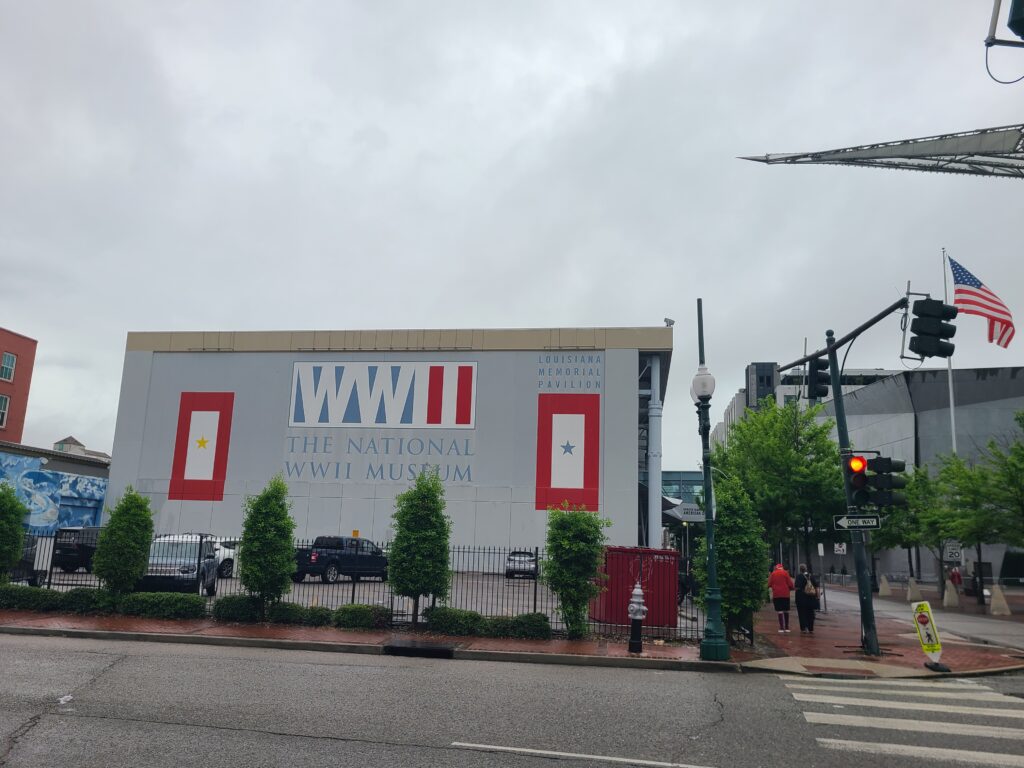
If you are traveling through Louisiana, visiting New Orleans, or simply interested in American history, this museum deserves a spot at the top of your list.
- Getting to the Museum
- Where to Stay When Visiting the National WWII Museum
- Why the National WWII Museum Is So Special
- The Dog Tag Experience
- The Immersive Exhibits
- Incredible Aircraft and Vehicles
- Dining Options
- Beyond the Artifacts
- Don’t Rush Your Visit
- Tips for Visiting
- FAQ: Visiting the National WWII Museum in New Orleans
- Final Thoughts
- Want to Learn More About World War II?
- Our Other Military & Aviation Posts
- Our Other Louisiana Posts
- Other Things To Do In New Orleans
This post contains affiliate links. As a participant in Amazon Associates and various affiliate programs, we are compensated when qualifying purchases are made through our referral links at no additional cost to you. Full Disclosure
Getting to the Museum
We planned on spending time in the French Quarter after visiting the museum, so we decided not to park directly at the museum.
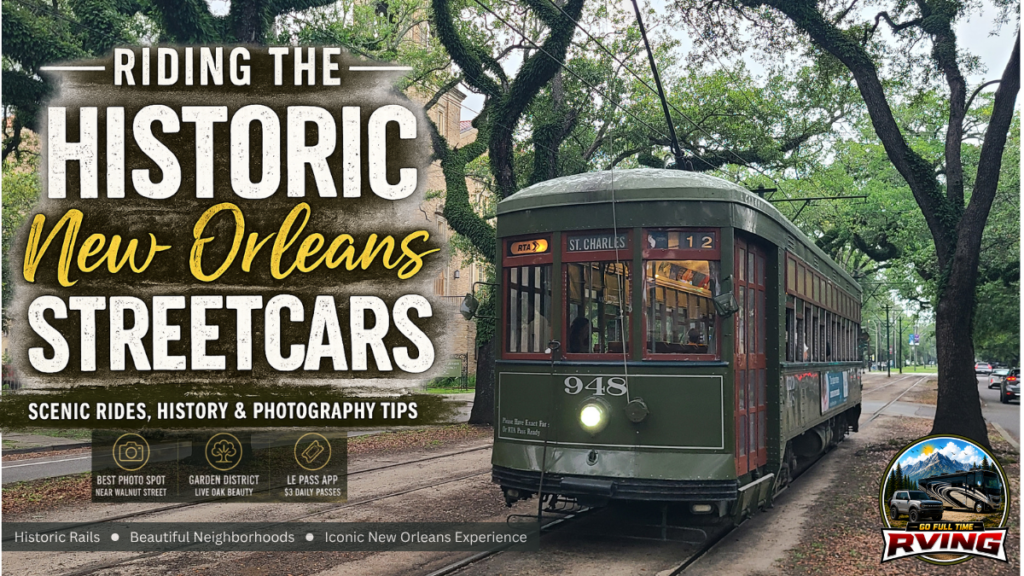
Instead, we parked in one of our favorite “semi-cheap” parking areas near the French Quarter and walked over to the New Orleans Streetcar stop at Canal Street. From there, we rode the historic St. Charles streetcar line over toward the museum area.
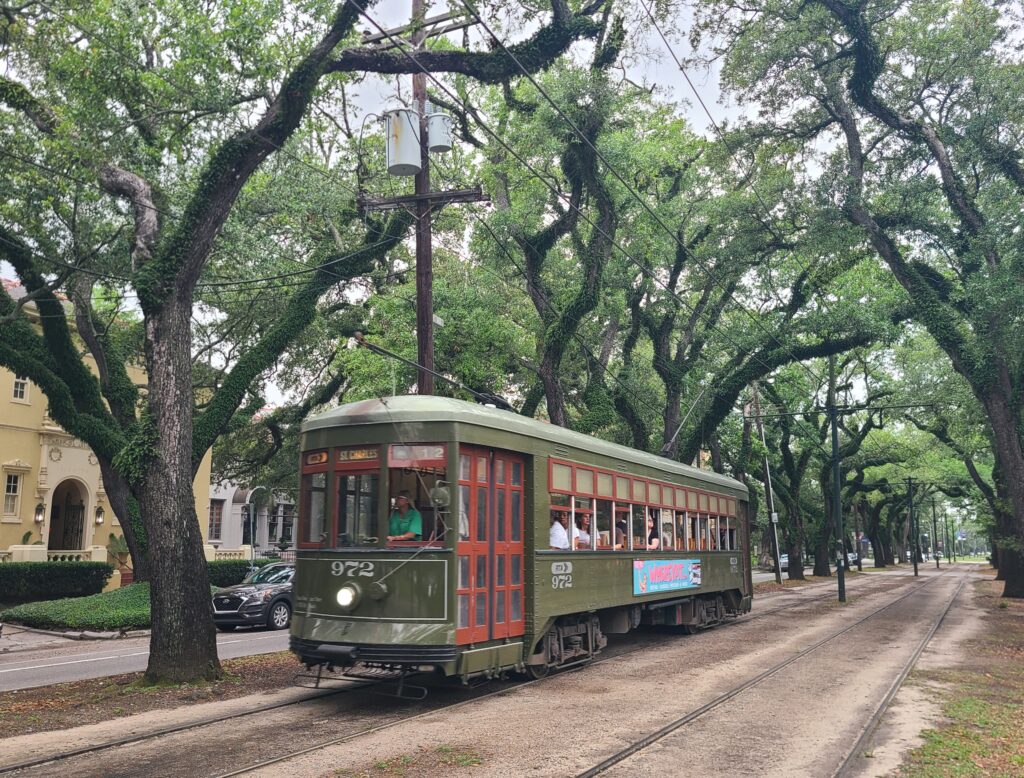
Honestly, it turned out to be a great way to start the day. Riding the streetcar is one of those classic New Orleans experiences, and it saved us from dealing with additional parking hassles around the museum.
If you’re planning to spend time exploring multiple parts of New Orleans in the same day, using the streetcars can be both convenient and part of the experience itself.
Where to Stay When Visiting the National WWII Museum
RV Camping Near New Orleans
Since we were traveling in our motorhome, we stayed at Bayou Segnette State Park during our visit to New Orleans.
We found it to be a great option for RVers wanting to explore the city while still having a quieter place to return to at the end of the day. The campground offers spacious sites, partial hookups, and relatively easy access to New Orleans compared to some other camping options in the area.
For RV travelers planning to visit the National WWII Museum, staying outside the city and using parking plus the streetcar system worked really well for us.

Hotels Near the National WWII Museum
If you’re visiting New Orleans without an RV, staying near the French Quarter, Warehouse District, or Central Business District can make visiting the museum very convenient.
These areas provide easy access to the museum, restaurants, streetcars, and many of the city’s top attractions without needing to move your vehicle around constantly.
Why the National WWII Museum Is So Special
The museum tells the story of World War II through the eyes of the people who lived it — soldiers, pilots, sailors, nurses, factory workers, and families back home. Rather than simply displaying artifacts behind glass, the museum creates an experience that pulls you directly into the events of the war.
From the moment you enter, the scale of the museum becomes apparent. Massive aircraft hang overhead, restored vehicles sit in beautifully designed exhibits, and personal stories are woven throughout every gallery.
One thing that stood out immediately was how balanced and human the storytelling felt. The museum doesn’t glorify war. Instead, it focuses on sacrifice, courage, innovation, and the enormous global impact of World War II.
The Dog Tag Experience
One of the most memorable parts of visiting the National WWII Museum happens just before entering the Road to Tokyo exhibit.
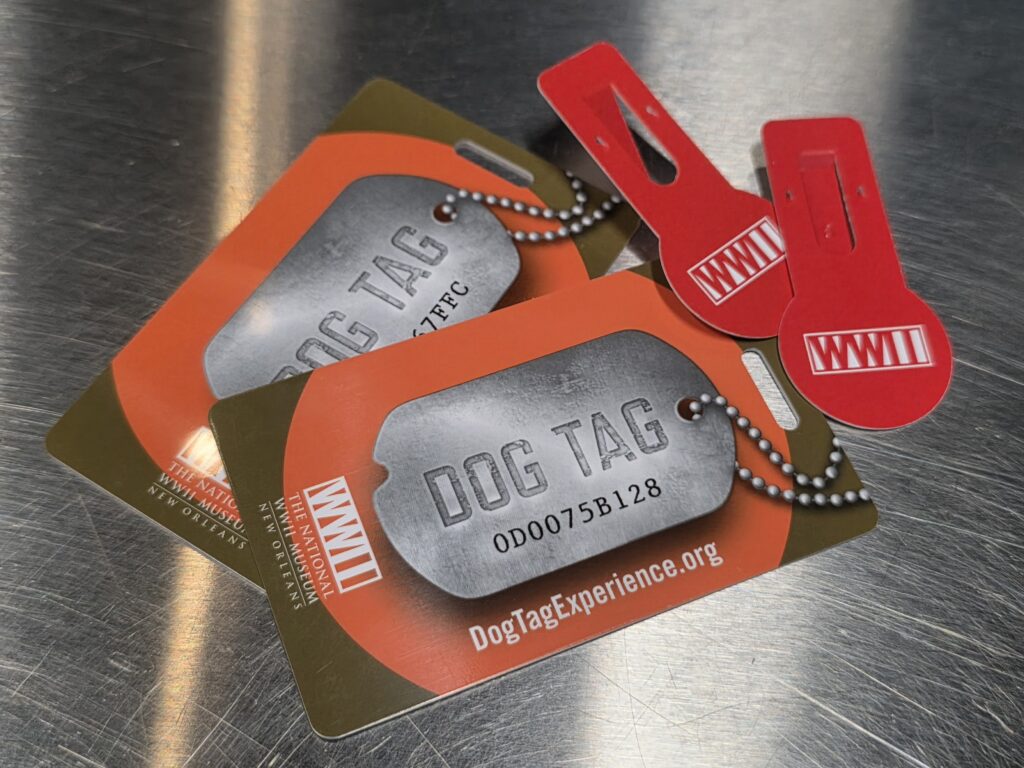
Each visitor receives a dog tag representing a real person who lived during World War II. Throughout the museum, you can scan the tag at interactive stations to follow that individual’s journey through the war.
After receiving your dog tag, visitors move through immersive environments and exhibits that immediately draw you into the era through scenery, sound effects, artifacts, and storytelling.
We absolutely loved this part of the museum because it provided a truly personal connection to the experience. Instead of learning only broad historical facts and battle timelines, you find yourself invested in one individual story and wondering what happened to them next.
We thought it was especially interesting that the dog tags we received reflected very different wartime experiences. I received Major General James Gavin, one of the Army’s most respected airborne commanders, while Lisa received legendary war photographer Robert Capa.
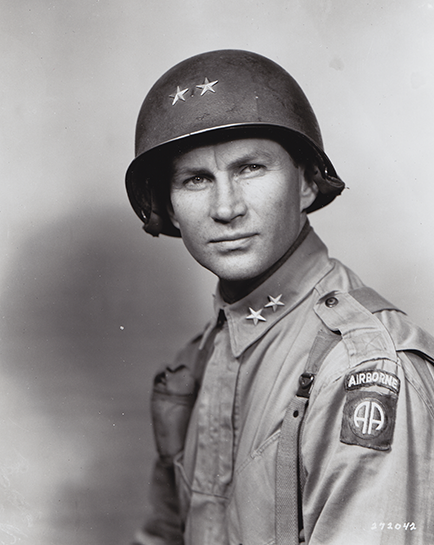
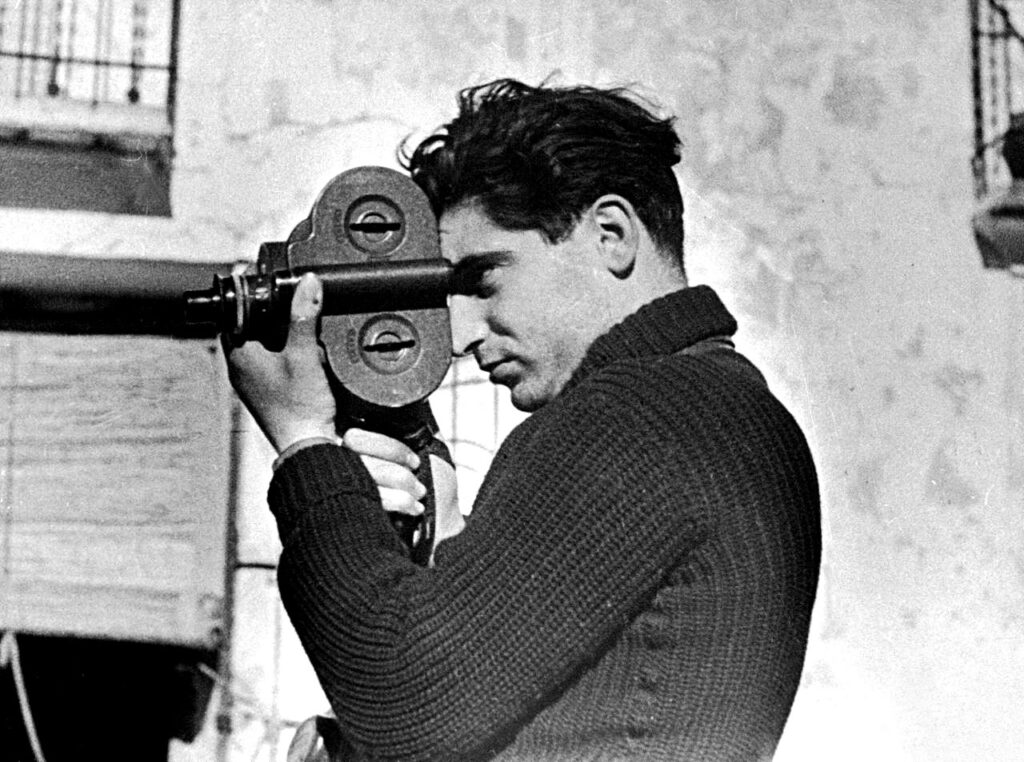
Throughout the day, we found ourselves stopping at the scanners not just to learn history, but to see what happened next in the lives of the people we were following.
“If your photographs aren’t good enough, you’re not close enough.”
— Robert Capa
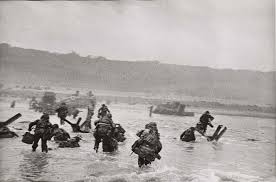
When Lisa discovered that her Dog Tag Experience followed the story of Robert Capa, it felt especially meaningful. As photographers ourselves, we’ve long admired the power of photography to preserve moments in time. Capa’s images helped document some of the most significant events of World War II and continue to shape how we remember the war today.
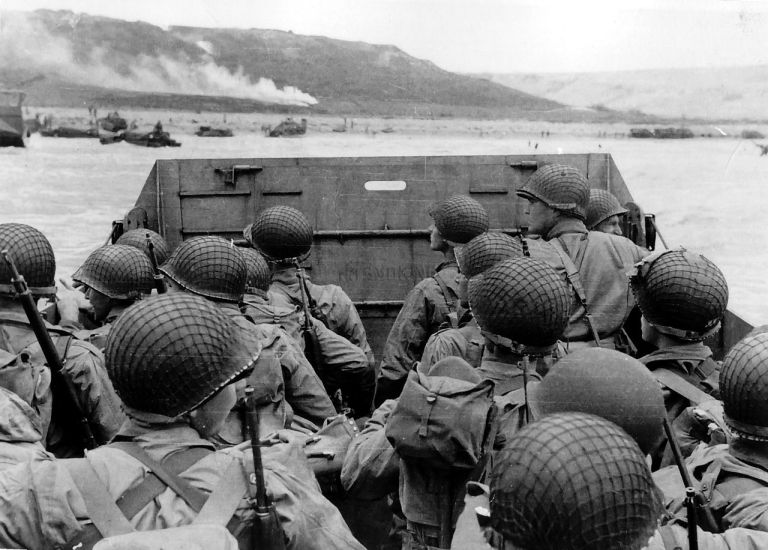
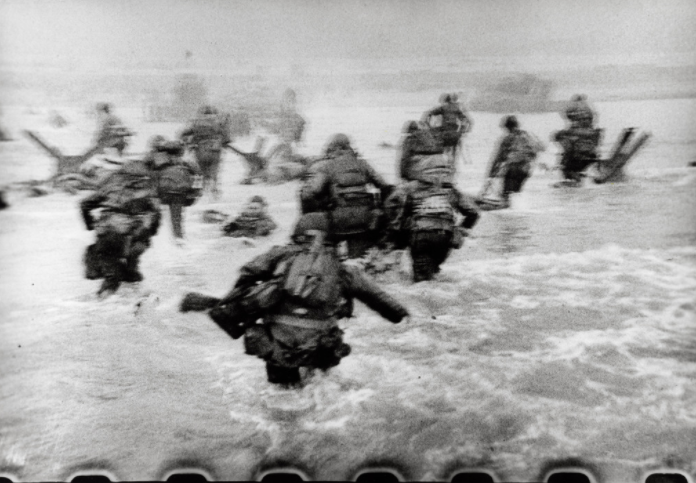
Many of Capa’s photographs became some of the most recognizable images of the war, including his famous photographs from the D-Day invasion of Normandy. Knowing that Lisa was following the story of someone whose work captured history as it unfolded added another layer of connection to an already unforgettable museum experience.
Photography & History Recommendation
Interested in learning more about Robert Capa? These books offer a fascinating look at one of the most influential war photographers of all time.
- Robert Capa’s D-Day – A collection of Capa’s iconic Normandy invasion photographs and the story behind them.
- Slightly Out of Focus – Robert Capa’s firsthand memoir covering his experiences photographing World War II.
The interactive stations are spread throughout the museum, encouraging you to continue following your person’s path as you move through the exhibits. It’s an incredibly effective way to make the experience feel personal and emotionally engaging.
Some stories are inspiring, while others are heartbreaking, and all of them help remind visitors that World War II wasn’t just history in a textbook — it involved real people whose lives were forever changed by the war.
The Immersive Exhibits
The museum is divided into multiple buildings and themed galleries covering different theaters of the war.
Some highlights included:
The Road to Tokyo
This exhibit focuses on the Pacific Theater and was the first major section we explored. The island-hopping campaigns, naval battles, and intense jungle warfare are presented in a way that truly conveys the scale and brutality of the conflict.
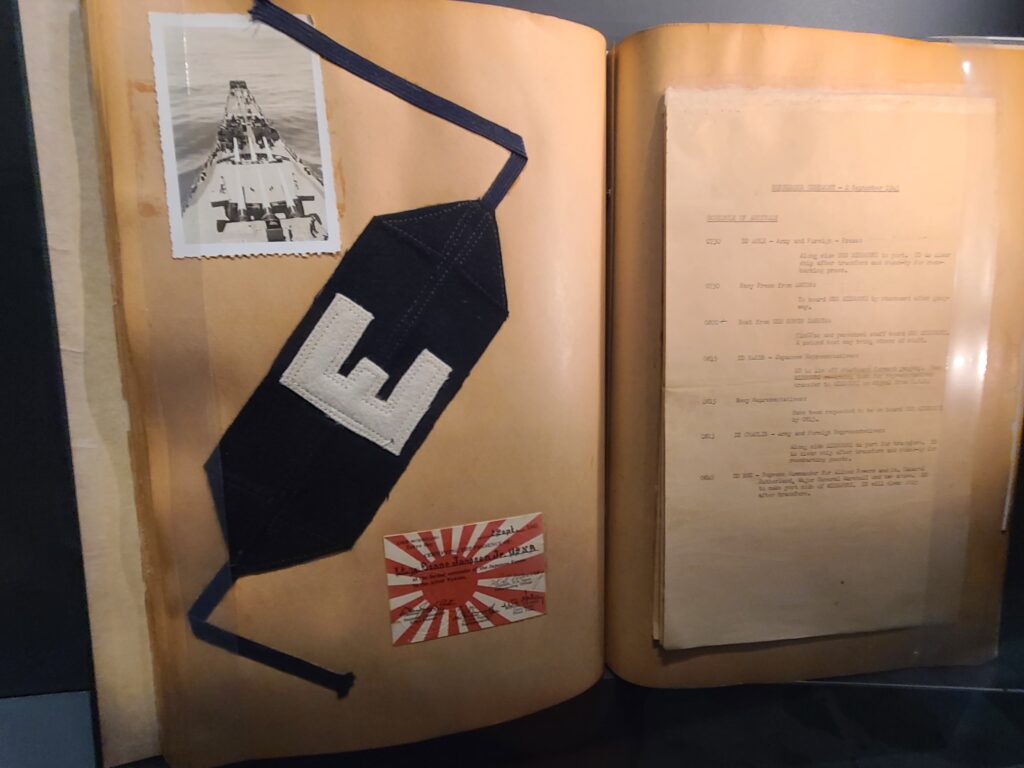
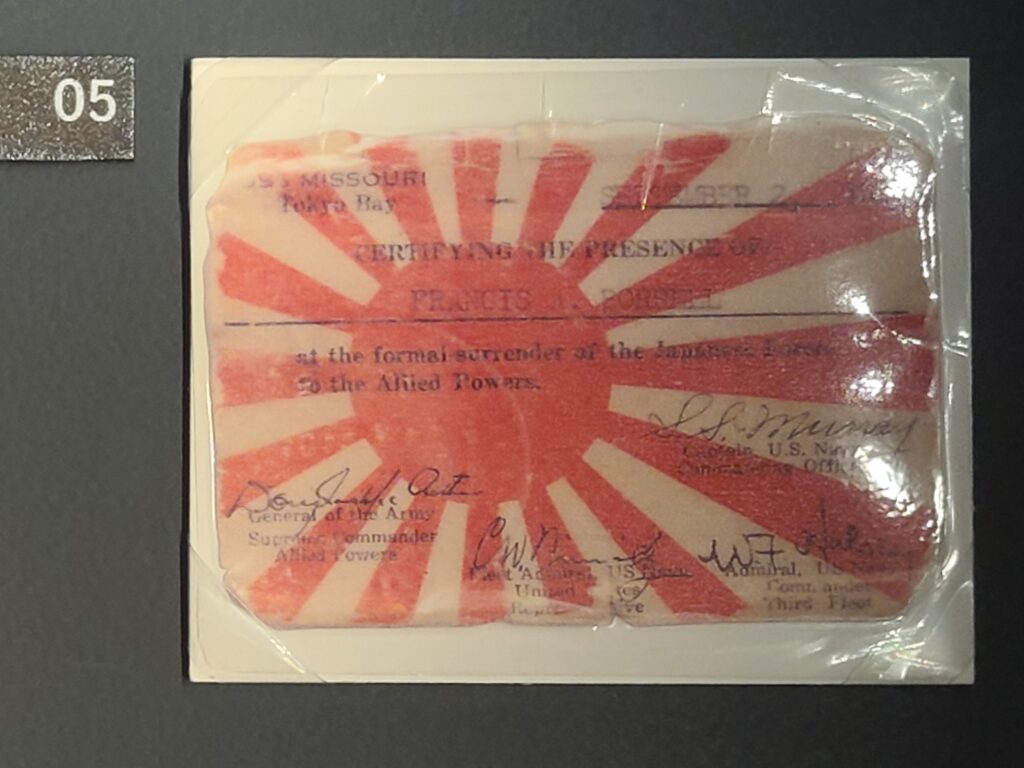
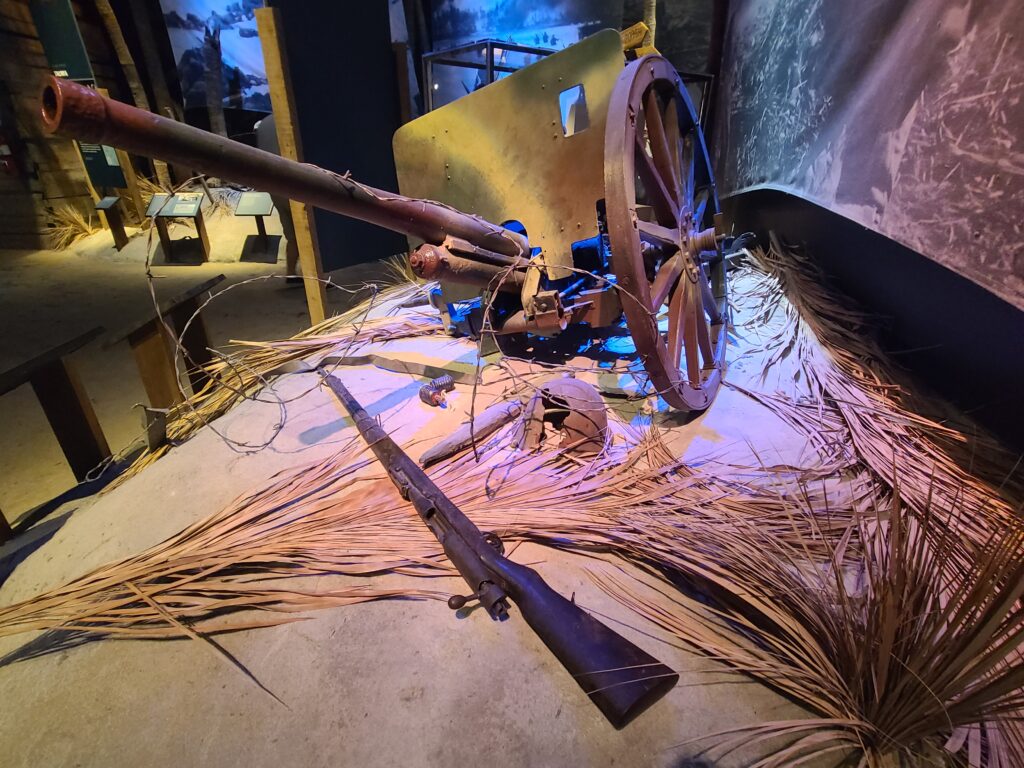
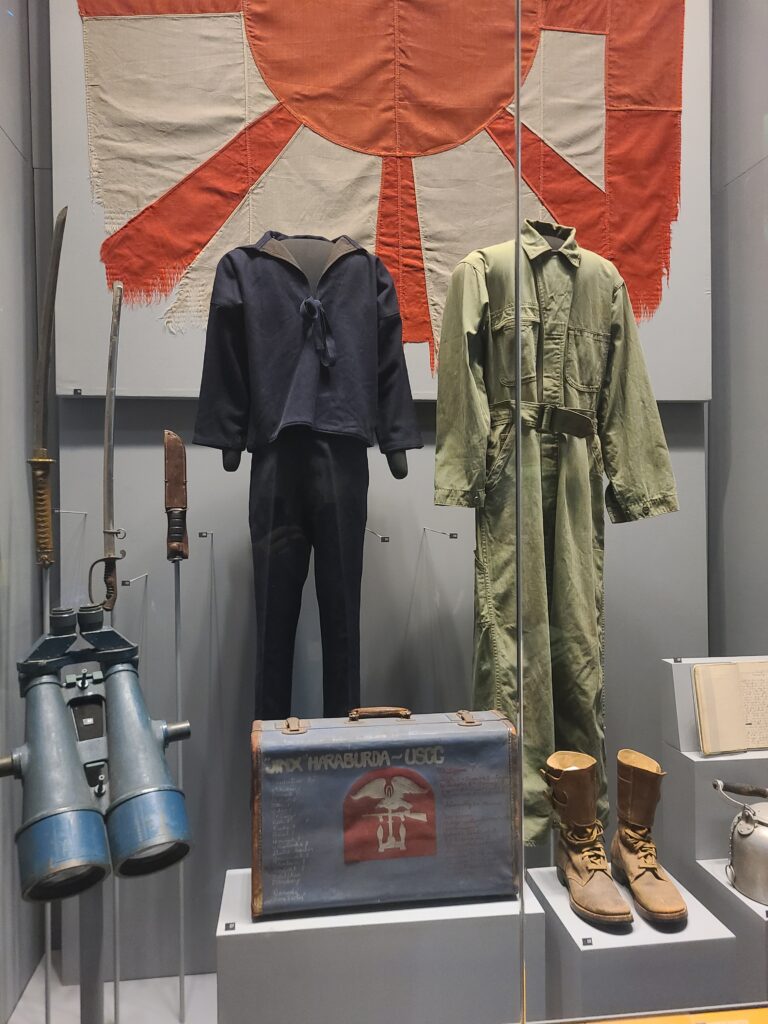
The aircraft and restored military equipment throughout this section are especially impressive, and the immersive displays make it easy to lose track of time while exploring.
The Road to Berlin
This section focuses on the European Theater and features incredible displays covering the rise of Nazi Germany, D-Day, the Battle of the Bulge, and the march toward Berlin.
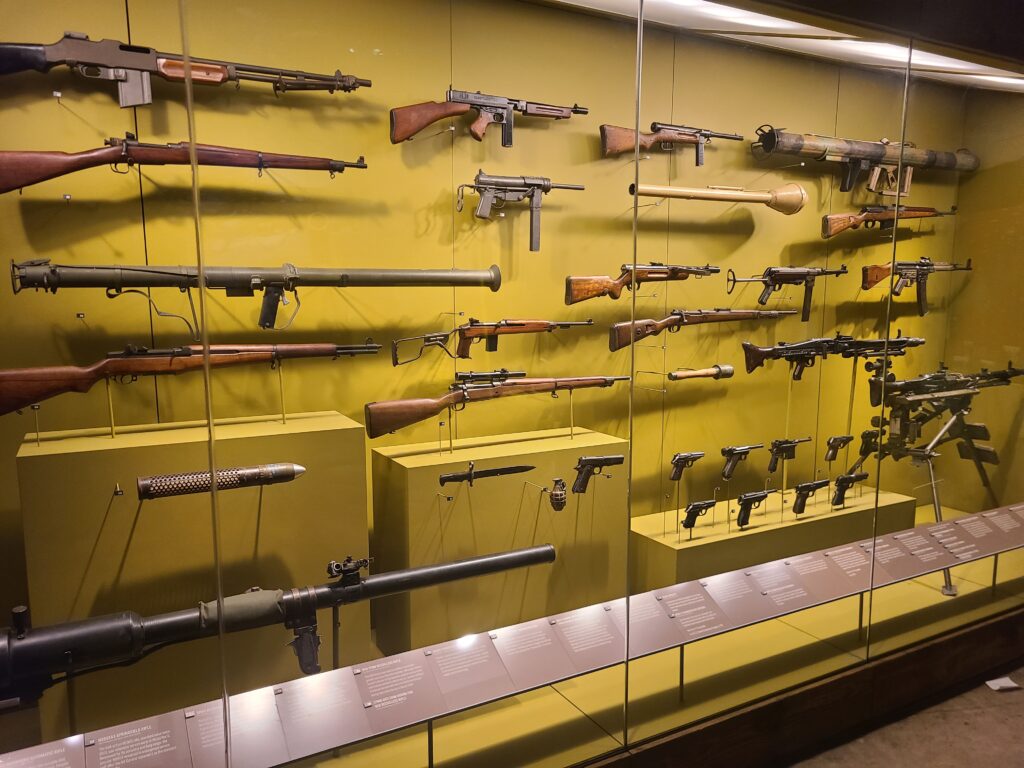
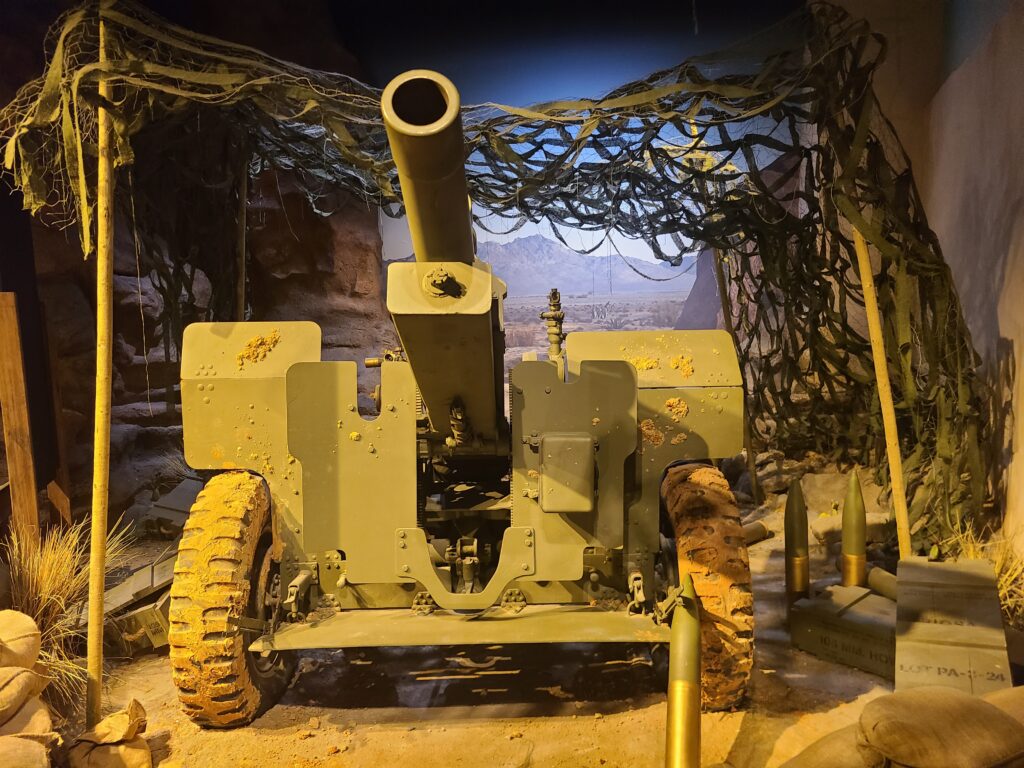
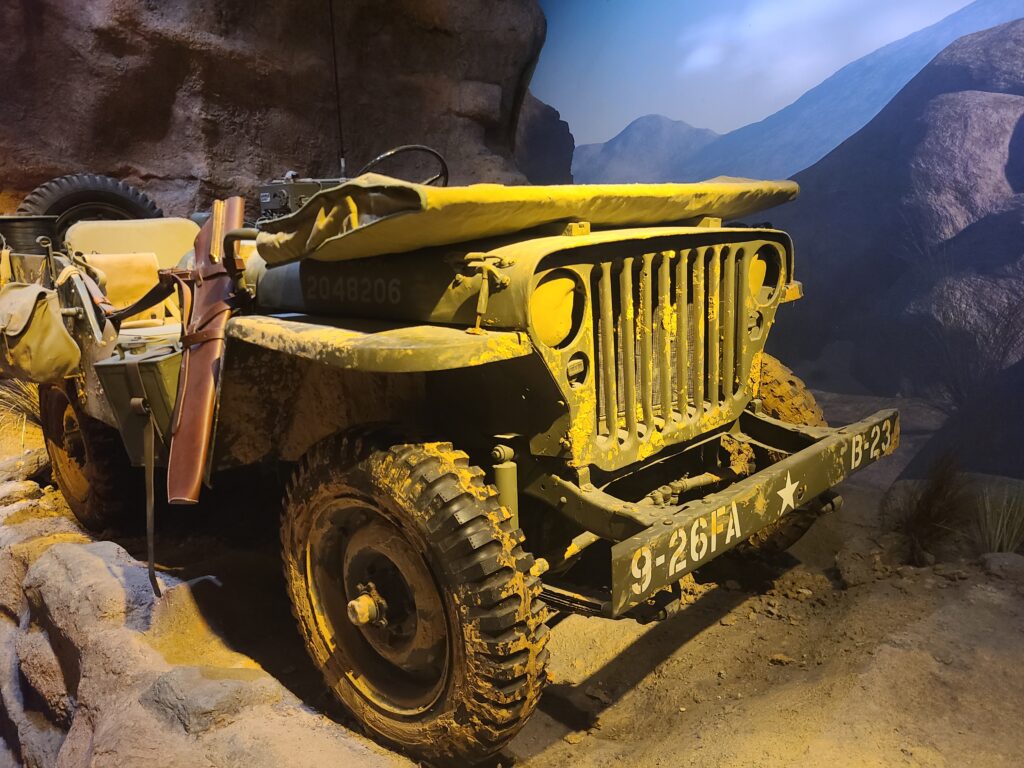
The recreated environments and multimedia presentations make you feel immersed in the events rather than simply reading about them.
The Liberation Pavilion
One area of the museum that deeply affected us was the Liberation Pavilion.
Inside the theater, short video stories feature Holocaust survivors and the soldiers who were among the first to enter and liberate the concentration camps. The stories are only a few minutes long, but they are incredibly powerful and emotional.
Hearing firsthand accounts from people who survived unimaginable horrors — along with the memories of the soldiers who witnessed the camps for the first time — gives you a completely different perspective on the war and its human cost.
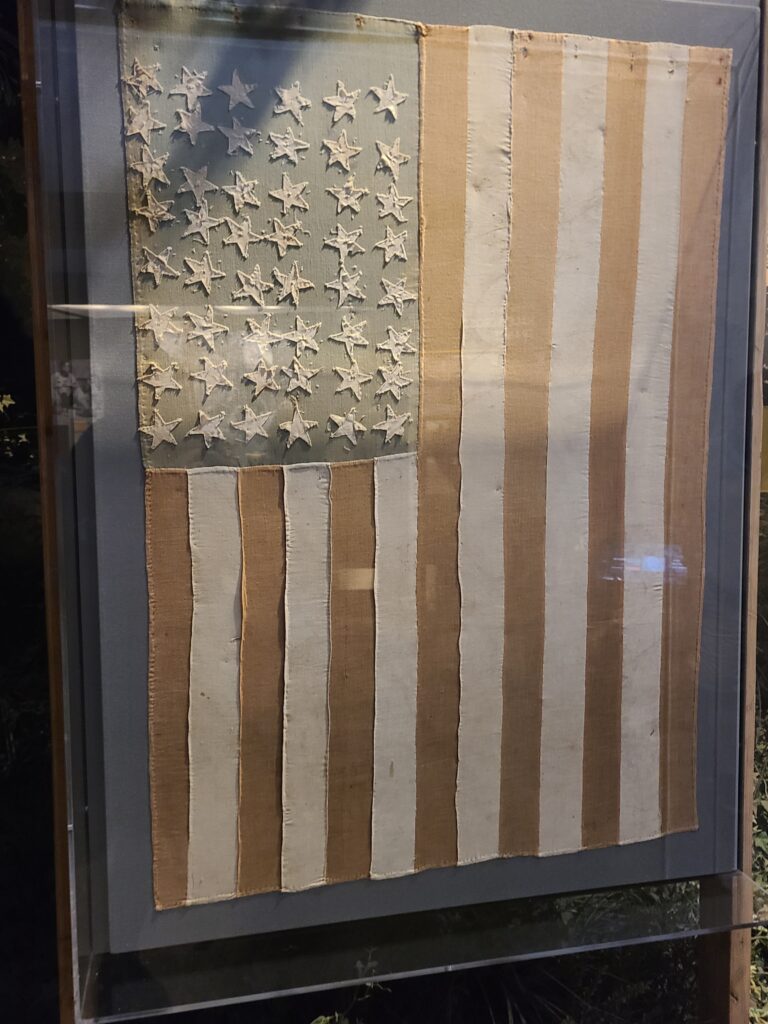
Several of the stories were so touching that they nearly brought tears to our eyes.
It was one of those moments in the museum where the room became completely silent as visitors stopped to listen and absorb what they were hearing.
That section really strengthens the emotional arc of the article because it moves beyond artifacts and machinery into the human consequences of the war. It also helps balance the aviation and military history portions with something deeply personal and reflective.
The Arsenal of Democracy
This area highlights the incredible industrial effort that powered the Allied victory. It’s fascinating to see how quickly American manufacturing transformed to support the war effort.
The exhibit also does a fantastic job explaining how ordinary citizens contributed through rationing, factory work, and war bond drives.
Incredible Aircraft and Vehicles
As aviation enthusiasts, we spent a lot of time admiring the aircraft displays. Several beautifully restored aircraft hang dramatically from the ceilings, and the presentation makes them feel alive rather than static museum pieces.
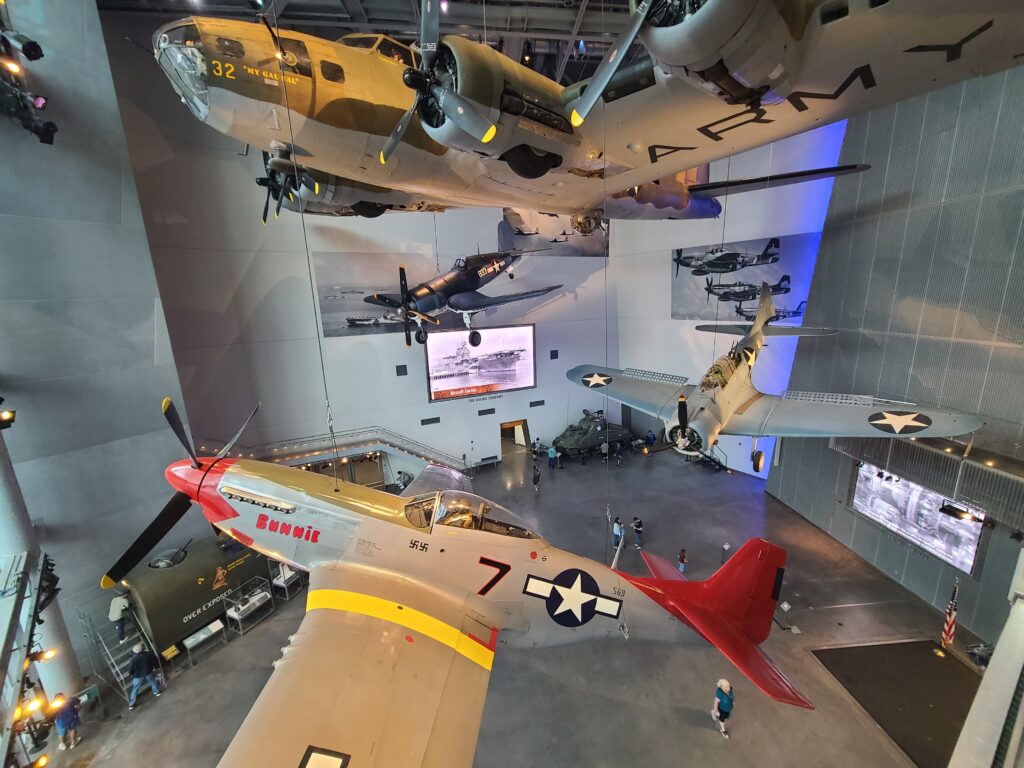
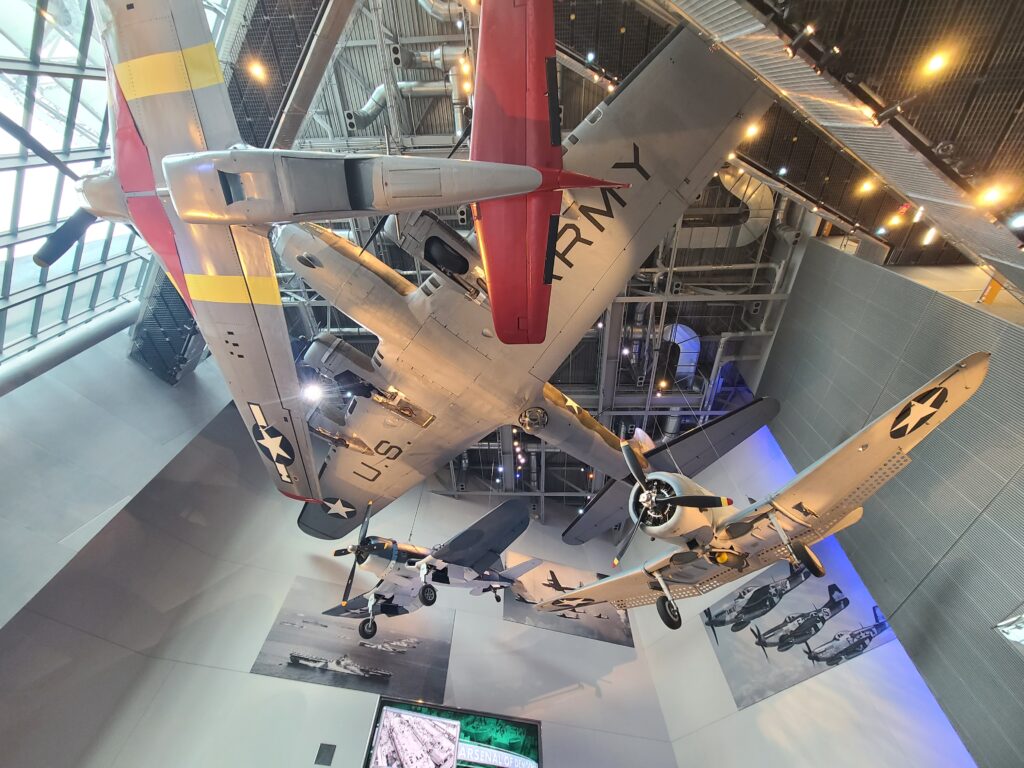
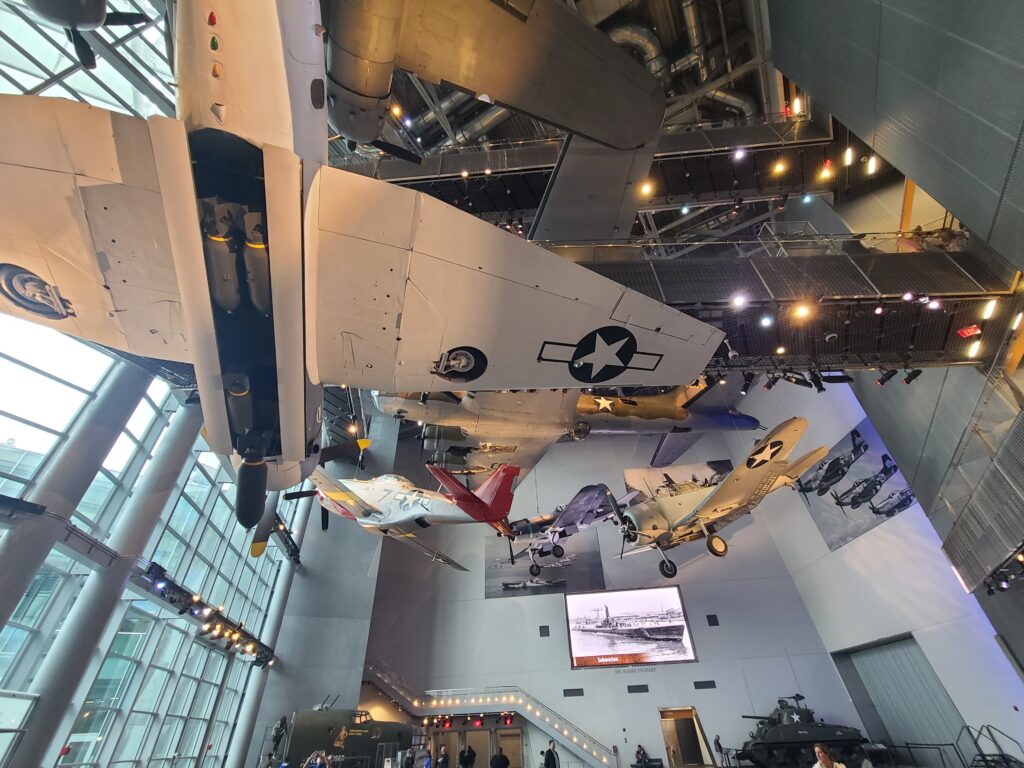
You’ll also find tanks, jeeps, landing craft, artillery, and countless smaller artifacts throughout the museum.
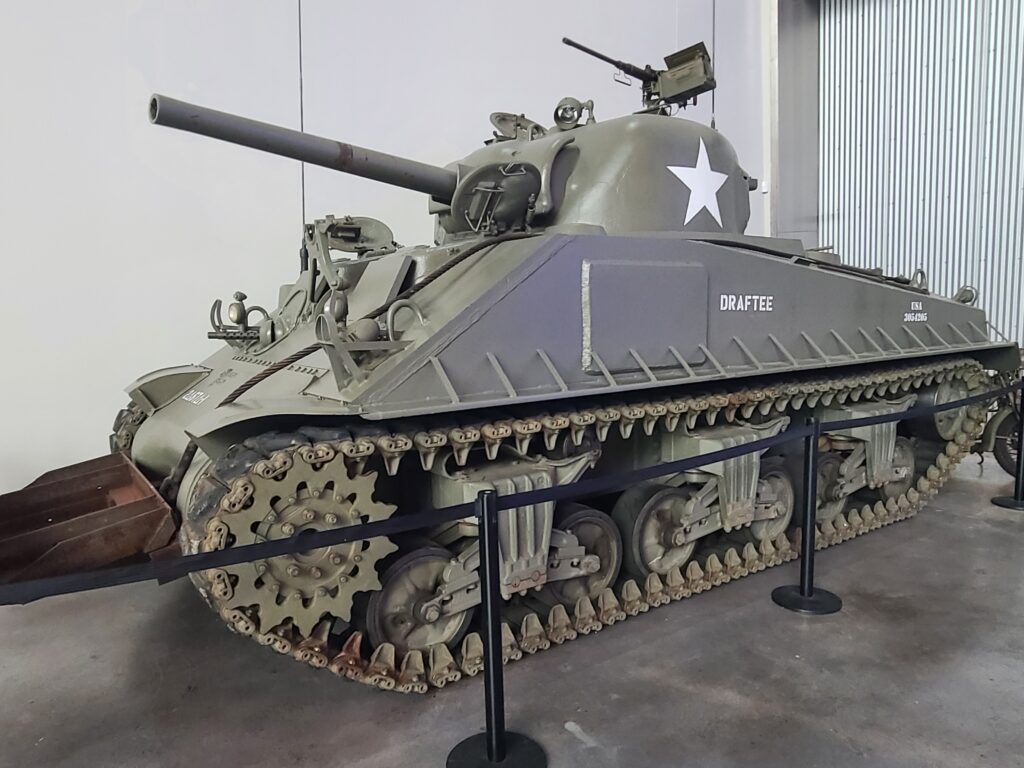
Photography opportunities are everywhere, especially if you enjoy military history or aviation photography.
Dining Options
One thing we didn’t realize before visiting was that the museum actually has six different restaurants and dining options inside the complex.
We checked out one of the restaurants during our visit, but it was a little more expensive than what we were looking for that day.
After leaving the museum, we found Magazine Pizza just about a half block away, and it turned out to be an excellent choice. After spending hours walking through the museum, sitting down for some really good pizza was exactly what we needed.
If you’re looking for a more casual and affordable meal option after your visit, it’s definitely worth checking out.
Beyond the Artifacts
What really makes the museum unforgettable are the personal stories.
Recorded interviews with veterans, letters home, photographs, and firsthand accounts are integrated throughout every exhibit. Many moments are emotional and surprisingly powerful.
One particular area featuring oral histories from veterans quietly stopped visitors in their tracks. You could hear a pin drop as people listened.
Don’t Rush Your Visit
One of the biggest mistakes visitors make is underestimating the size of the museum.
We spent about five hours exploring the museum and still didn’t see everything. There are simply so many exhibits, displays, theaters, and interactive experiences that it’s impossible to fully absorb them all in a short visit.
In fact, we would recommend planning a full day if possible.
There are multiple buildings, theaters, interactive exhibits, restaurants, and rotating displays. Trying to rush through it in just a couple of hours would leave you missing a lot.
Tips for Visiting
Arrive Early
The museum is large and popular. Arriving early gives you more time to explore before crowds build.
Wear Comfortable Shoes
You will do a lot of walking between buildings and exhibits.
Plan for Several Hours
At a minimum, plan for half a day. A full day is even better.
Consider Using the Streetcar
If you plan on exploring the French Quarter or other areas of New Orleans before or after your visit, the streetcar system can be a fun and convenient transportation option.
Consider Parking Options
Parking is available nearby, but like much of New Orleans, it can fill quickly during busy periods and can get expensive.
? Don’t Let Your Phone Die Mid-Visit
We spent nearly five hours exploring the National WWII Museum, taking photos, scanning our Dog Tag Experience, checking maps, and looking up information throughout the day. A portable power bank is one travel item we’re always glad to have along.
The INIU 45W Fast Charging Portable Charger is compact, lightweight, and provides plenty of power to keep your phone charged during a full day of sightseeing.
FAQ: Visiting the National WWII Museum in New Orleans
How long does it take to visit the National WWII Museum?
We spent about five hours at the museum and still didn’t see everything. If you want to experience the exhibits, theaters, interactive displays, and dining options without feeling rushed, we recommend planning for most of the day.
Is the National WWII Museum worth visiting?
Absolutely. The National WWII Museum is one of the most impressive museums we have ever visited. It combines historic artifacts, immersive exhibits, aircraft, personal stories, and emotional firsthand accounts into an experience that is both educational and deeply moving.
What is the Dog Tag Experience?
The Dog Tag Experience gives each visitor a dog tag representing a real person who lived during World War II. As you move through the museum, you can scan the dog tag at interactive stations and follow that person’s journey through the war.
Is the National WWII Museum overwhelming?
It can be, but in the best possible way. There is a tremendous amount to see, read, watch, and absorb. Some exhibits are emotionally heavy, especially the personal stories from veterans, Holocaust survivors, and soldiers who helped liberate the concentration camps.
Are there places to eat at the National WWII Museum?
Yes, the museum has multiple dining options. We looked at one restaurant inside the museum, but it was a little more expensive than what we wanted that day. After leaving, we found Magazine Pizza about a half block away and really enjoyed it.
What is the best way to get to the National WWII Museum?
Since we planned to visit the French Quarter afterward, we parked near the French Quarter and rode the St. Charles streetcar from Canal Street toward the museum. It was convenient, fun, and saved us from dealing with additional parking near the museum.
Can you see the National WWII Museum in a couple of hours?
You can see part of it in a couple of hours, but you will miss a lot. We spent five hours there and still didn’t see everything. If your schedule allows, plan for at least half a day, and ideally a full day.
Final Thoughts
The National WWII Museum is much more than a museum. It’s an experience that leaves a lasting impression long after you leave.
It manages to educate, inspire, and emotionally connect visitors to one of the most important periods in world history. Whether you are deeply interested in military history or simply appreciate incredible storytelling and world-class exhibits, this museum is absolutely worth visiting.
By the end of our visit, we were mentally exhausted but deeply grateful we experienced it. The National WWII Museum doesn’t just teach history — it makes you feel the weight of it. It reminds visitors of the enormous sacrifices made by an entire generation and why those stories should never be forgotten.
We walked away with a much deeper appreciation for the sacrifices made by the World War II generation and a strong feeling that this is one museum every American should experience at least once.
The National WWII Museum ended up being one of the most memorable experiences we’ve had in New Orleans. Between the immersive exhibits, personal stories, and emotional moments throughout the museum, it’s a place that stays with you long after you leave.
Want to Learn More About World War II?
Visiting the National WWII Museum left us wanting to learn even more about the people, battles, and sacrifices that shaped World War II. If you’re interested in diving deeper into the history, these are some of the best WWII books we’ve found.
Band of Brothers
Follow Easy Company from training through the end of the war in one of the most beloved World War II books ever written. This book inspired the acclaimed HBO miniseries.
The Greatest Generation
Tom Brokaw shares the stories of ordinary Americans who lived through World War II, both on the battlefield and on the home front.
With the Old Breed
One of the most powerful firsthand accounts of combat in the Pacific Theater, written by Marine Eugene Sledge.
Unbroken
The incredible true story of Olympian and WWII bombardier Louis Zamperini, who survived a plane crash, weeks at sea, and years as a prisoner of war.
D-Day
A detailed and highly readable account of the Normandy invasion, featuring firsthand accounts from the soldiers who participated in one of history’s most important military operations.
If you’ve visited the museum, we’d love to hear what part impacted you the most. And if you’re planning a trip to New Orleans, be sure to check out some of our other New Orleans travel posts for more ideas on things to do, places to eat, and hidden gems around the city.
Our Other Military & Aviation Posts






Our Other Louisiana Posts







Other Things To Do In New Orleans
What interesting places can you recommend?
We’re always on the lookout for unique, out-of-the-way experiences to add to our list.
Thanks for taking the time to read our article!
If you have any questions or comments, we’d love to hear from you in the section below.
If you’re looking to build your own home-based business like we have with this webpage, check out Wealthy Affiliate.
Wealthy Affiliate is an all-in-one platform that you can build your whole affiliate marketing business on. It combines training, software, and website hosting into one. This makes the whole process of starting an online business from scratch much easier, especially if you’re new to building a website.